



Beer remains a “motor” for Europe’s economy but continues to face multiple challenges, ranging from the aftershocks of the Covid pandemic to supply chain turbulence, say The Brewers of Europe.
The 2024 edition of the European Beer Trends Report, released on 3 December, provides a snapshot of country-by-country production, consumption and trade patterns over the last seven years. It shows that, after a steady recovery following the Covid pandemic, the beer market has been hit by new market setbacks.
Whilst still just above the sales figures of 2020, when the Covid pandemic forced the shutdown of bars and events for months on end, 2023 beer sales in the European Union were 3% down on 2022.
High inflation, increased production costs, rising prices for raw materials, energy and logistics, coupled with reduced consumer spending power and changing consumer trends, are all factors explaining this dip in sales, production and exports. These factors sit alongside supply chain bottlenecks exacerbated by geopolitical instability, including the war in Ukraine.
New breweries are still opening: an estimated 9,723 were in operation in the EU by the end of 2023, up 40 since the previous year, but a far cry from the growth last decade when the EU was witnessing a thousand new breweries popping up every year. Even if breweries are not emerging at the same annual rate they were, this growth does still signal an appetite for innovation and diversity in beer offerings.
Julia Leferman, Secretary General of The Brewers of Europe, said, “Beer is a vital engine of the European economy, providing billions in value added and tax revenue, supporting millions of jobs.”
“Nonetheless, the brewing sector has been vulnerable to recent market disruptions.
“Brewers depend on lengthy supply chains and networks in local, national, European and world markets. At each stage of the grain to glass process, brewers have been affected in recent years by the economic turbulence. We now need decision-makers to back beer with supportive policies that recognise the positive, responsible and sustainable role the beer value chain can play in the local economy.”
The latest figures were released at the 11th edition of “Beer Serves Europe,” an annual event bringing together leaders from Europe’s brewing community and the beer supply chain, as well as policymakers from the European Commission, Parliament and Member States, to celebrate brewing and the beer value chain that stands behind it.
The event also hosted the relaunch of the European Beer Group, a cross-party network set up to facilitate discussion and collaboration amongst MEPs on issues impacting brewing and the beer value chain. The European Beer Group will have two MEP co-chairs: Tomáš Zdechovský (EPP – Czech Republic) and Hannes Heide (S&D – Austria).
Event attendees were also reminded of European brewers’ leadership on labelling, notably The Brewers of Europe’s Proud to be Clear commitment to helping empower consumers through clear labelling.
Today, some 95% of beer bottles and cans voluntarily label ingredients and 88% label energy values. This ties in with the brewers’ pledge to promote responsible drinking, which includes initiatives to encourage moderation and support public awareness campaigns that discourage drink driving and underage drinking.
Whilst already brewing the lowest ABV alcohol beverage, brewers are increasingly offering a wider range of top-quality non-alcohol drinks. Alcohol-free beer now accounts for one in every 15 beers brewed in the EU – and this share continues to rise.
Comments
Last News

Le parquet de Paris ouvre une enquête sur le site “libertin” Wyylde
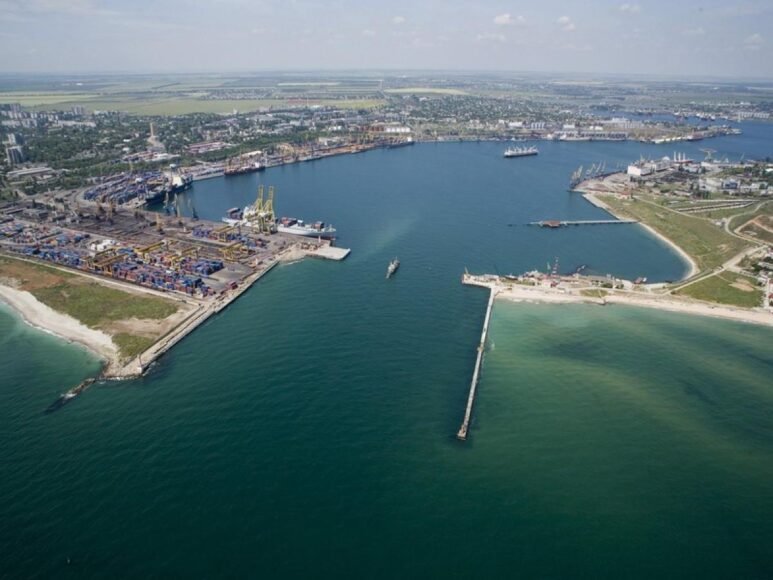
Maersk Halts Chornomorsk Fishing Port Service Following Russian Attacks in Global Shipping News
Kyiv, July 22 Eurotoday — Global shipping news remains focused on the Black Sea after Maersk suspended services through Ukraine’s Chornomorsk Fishing Port following intensified Russian attacks on port infrastructure. The move reflects growing security concerns for international shipping companies operating in the region and is expected to affect cargo movements until conditions improve.
Maersk S

Austria Converts Hitler’s Birthplace into Police Station
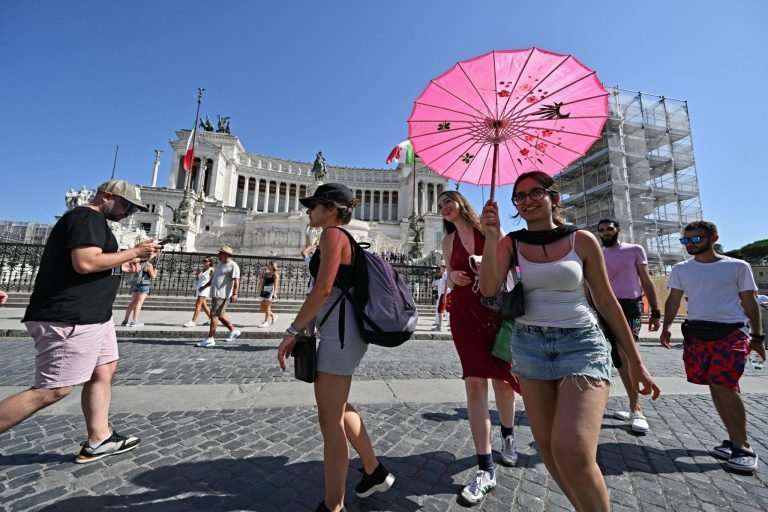
Concerns Over Extreme Heat in France as Rome Offers Free Cinemas to Escape Summer Temperatures
Rome, July 22 Eurotoday Newspaper — Rome free cinema screenings will be offered across the Italian capital as city officials introduce a new measure to help residents escape soaring summer temperatures. The initiative allows people to watch films free of charge in air-conditioned cinemas during the hottest parts of the day, providing relief while Europe continues to experience prolonged heatwave
Brussels Targets Google — Potentially Huge Costs Ahead

Number of Russians Who Purchased the New Volga
The flagship Volga K50 crossover is the top choice, with 55 units registered. It comes in three trims, priced from 4,344,900 rubles (around 48,300 euros) to 4,799,000

MCC Brussels at Three: A Contested Voice in Europe’s Political Debate
The Brussels-based institution is part of the wider Mathias Corvinus Collegium (MCC), a Hungarian educational and research organisation. Since its establishment in Brussels, it has sought
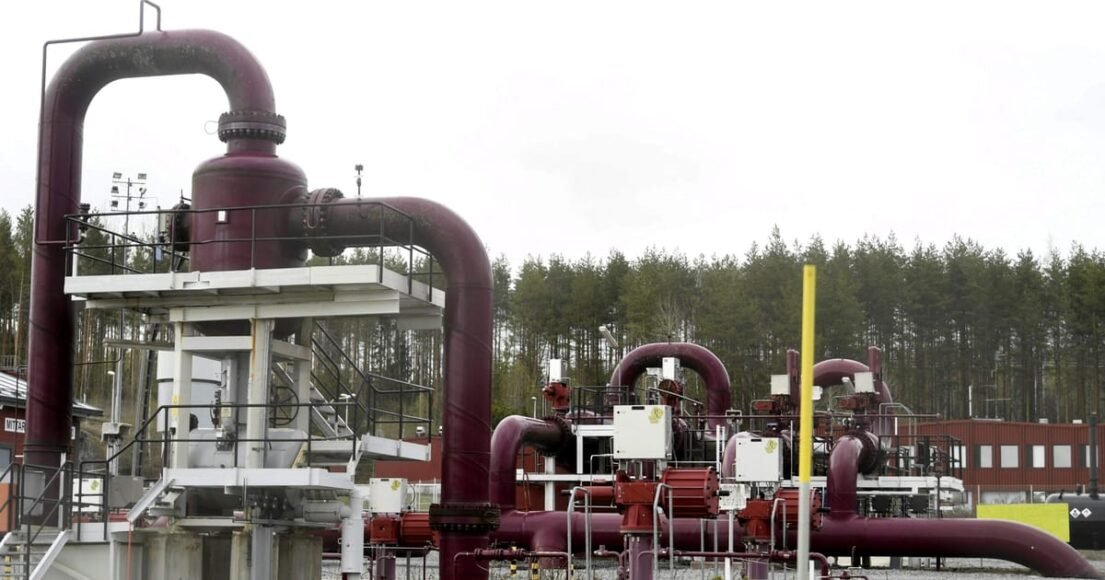
NATO Approves €27 Billion Overhaul of Cold War-Era Fuel Network
Countries have been negotiating for months on the overhaul of the alliance’s 10,000-kilometer Cold War-era pipeline network, intended to connect NATO
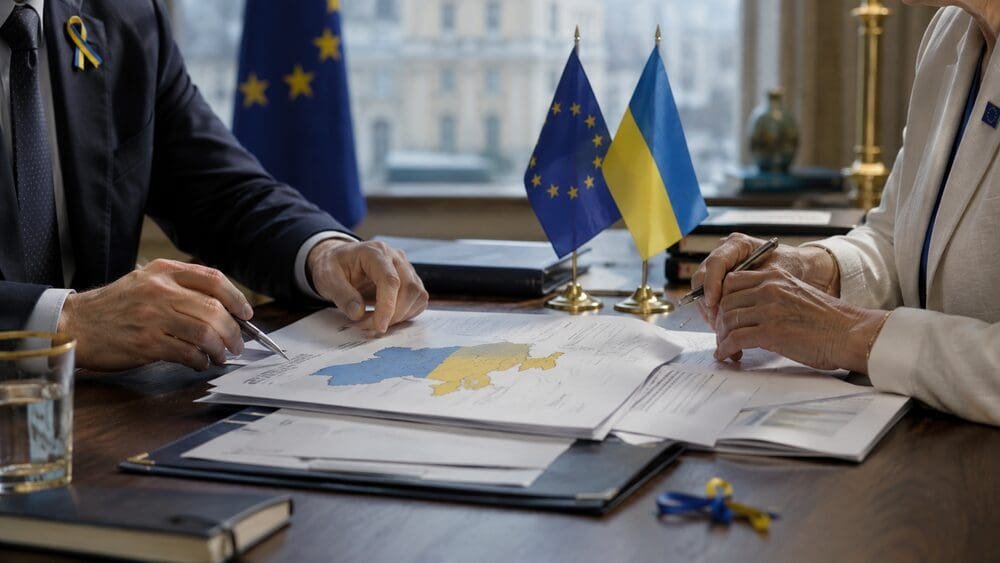
UK Joins Ukraine Loan Framework
EU Approves UK’s Role in Ukraine Loan, Linking Security Cooperation to Oversight
EU countries have agreed to the UK’s involvement in the €90 billion Ukraine Support Loan, expanding Kyiv’s financial resources and supplier access for maintaining public services and civilian protection through 2026 and 2027. This move, announced in Brussels, is part of rebuilding EU-UK security ties centered on Ukr

Leave a Reply