



Beer remains a “motor” for Europe’s economy but continues to face multiple challenges, ranging from the aftershocks of the Covid pandemic to supply chain turbulence, say The Brewers of Europe.
The 2024 edition of the European Beer Trends Report, released on 3 December, provides a snapshot of country-by-country production, consumption and trade patterns over the last seven years. It shows that, after a steady recovery following the Covid pandemic, the beer market has been hit by new market setbacks.
Whilst still just above the sales figures of 2020, when the Covid pandemic forced the shutdown of bars and events for months on end, 2023 beer sales in the European Union were 3% down on 2022.
High inflation, increased production costs, rising prices for raw materials, energy and logistics, coupled with reduced consumer spending power and changing consumer trends, are all factors explaining this dip in sales, production and exports. These factors sit alongside supply chain bottlenecks exacerbated by geopolitical instability, including the war in Ukraine.
New breweries are still opening: an estimated 9,723 were in operation in the EU by the end of 2023, up 40 since the previous year, but a far cry from the growth last decade when the EU was witnessing a thousand new breweries popping up every year. Even if breweries are not emerging at the same annual rate they were, this growth does still signal an appetite for innovation and diversity in beer offerings.
Julia Leferman, Secretary General of The Brewers of Europe, said, “Beer is a vital engine of the European economy, providing billions in value added and tax revenue, supporting millions of jobs.”
“Nonetheless, the brewing sector has been vulnerable to recent market disruptions.
“Brewers depend on lengthy supply chains and networks in local, national, European and world markets. At each stage of the grain to glass process, brewers have been affected in recent years by the economic turbulence. We now need decision-makers to back beer with supportive policies that recognise the positive, responsible and sustainable role the beer value chain can play in the local economy.”
The latest figures were released at the 11th edition of “Beer Serves Europe,” an annual event bringing together leaders from Europe’s brewing community and the beer supply chain, as well as policymakers from the European Commission, Parliament and Member States, to celebrate brewing and the beer value chain that stands behind it.
The event also hosted the relaunch of the European Beer Group, a cross-party network set up to facilitate discussion and collaboration amongst MEPs on issues impacting brewing and the beer value chain. The European Beer Group will have two MEP co-chairs: Tomáš Zdechovský (EPP – Czech Republic) and Hannes Heide (S&D – Austria).
Event attendees were also reminded of European brewers’ leadership on labelling, notably The Brewers of Europe’s Proud to be Clear commitment to helping empower consumers through clear labelling.
Today, some 95% of beer bottles and cans voluntarily label ingredients and 88% label energy values. This ties in with the brewers’ pledge to promote responsible drinking, which includes initiatives to encourage moderation and support public awareness campaigns that discourage drink driving and underage drinking.
Whilst already brewing the lowest ABV alcohol beverage, brewers are increasingly offering a wider range of top-quality non-alcohol drinks. Alcohol-free beer now accounts for one in every 15 beers brewed in the EU – and this share continues to rise.
Comments
Last News
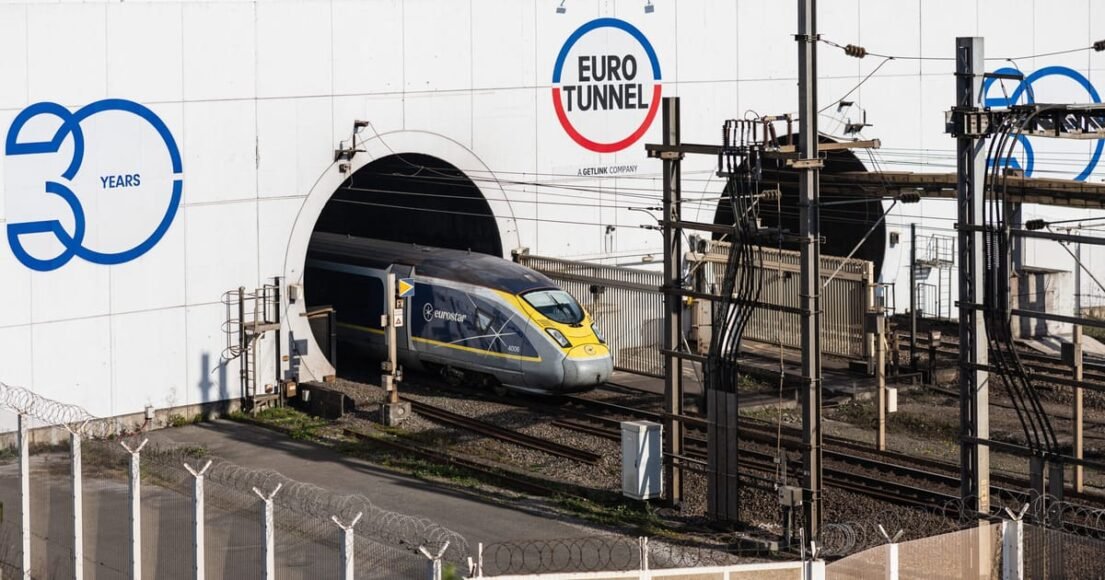
Britain-Europe Trains Set to Run Every 15 Minutes
Piling in
Despite these obstacles, the London route is con
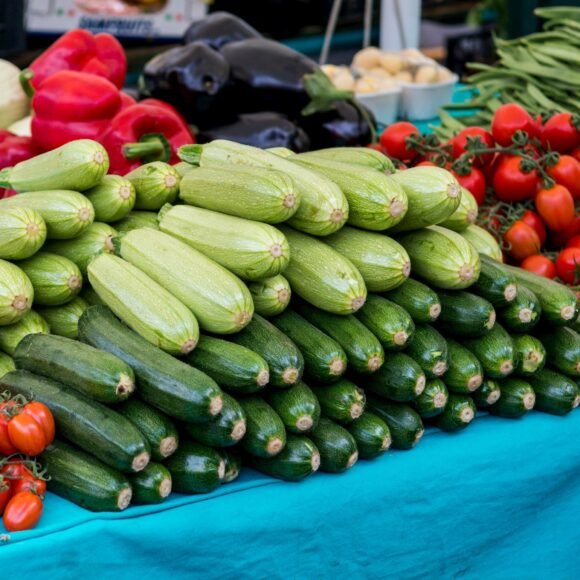
Colruyt Recalls Courgettes Due to Heptachlor Risk in Belgium
Belgium, 25 August (Eurotoday) – Colruyt has issued a Colruyt courgette recall after its supplier warned of the possible presence of heptachlor in loose courgettes sold through several of the retailer’s chains in Belgium and Luxembourg. Customers who bought the affected vegetables have been told not to eat them and to return them to a store for a refund.
Colruyt removes affected courgettes from

UN Chief Urges Countries to Control Autonomous Weapons
They both advocated for banning autonomous weapons causing unpredictable effects and anti-personnel weapons targeting humans.
The UN plans a conference in Geneva in November

Meulebeke Author Confronts De Wever on Ben-Gvir Comments
Tielt (Eurotoday Newspaper) – Writer Rino Feys from Meulebeke has addressed an open letter to Belgian Prime Minister Bart De Wever over statements made by Israeli National Security Minister Itamar Ben-Gvir.
Feys, who once belonged to the De Zondvloed bookshop in Roeselare, wrote to De Wever in reaction to the language used by the Israeli minister that was described by him as aggressive and extre

Gun Violence Shakes Brussels as Mayor Points Out ‘Bullet Holes in the Ground’
Saint-Gilles has been struggling with drug-related violence for years, especially around the train sta

Mika Godts Impresses in PSG Debut Against Rennes
Rennes, 24 August (Eurotoday) – Mika Godts made an encouraging first appearance for Paris Saint-Germain as the Belgian winger helped Luis Enrique’s side recover from two goals down to draw 2-2 with Rennes in their Ligue 1 opener. The Mika Godts PSG debut offered an early glimpse of the qualities that persuaded the French champions to invest in the 21-year-old this summer.
Godts enters as PSG fig

Costa tours the capitals — while Merz rallies the penny-pinchers

Four of Six Antwerp Businesses Closed; Three Held Administratively
Antwerp (Eurotoday Newspaper) – Authorities in Antwerp carried out a targeted inspection operation in which six businesses were examined, resulting in the administrative sealing of four premises and the administrative detention of three individuals.
Such an incident, which according to local government officials forms part of continuous endeavors towards enforcement of regulation, illustrates t

Greece Aims to Capitalize on Odyssey ‘Hype’
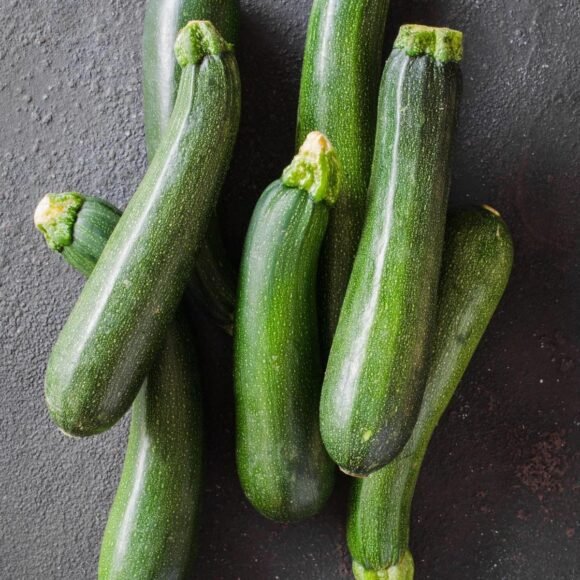
Aldi Recalls Zucchinis Due to Pesticide Levels in Belgium
Brussels, 24 August (Eurotoday Newspaper) – Aldi Belgium has recalled a batch of courgettes sold in its stores after excessive levels of the pesticide heptachlor were identified, with customers being told not to eat the affected vegetables. The Aldi courgette recall covers two-piece packs sold between 10 and 22 August 2026.
The recall is being carried out by Aldi Belgium on behalf of supplier Fr
Leave a Reply