


The intervention follows Trump’s post on his Truth Social platform on Sunday, stating, “Tuesday will be Power Plant Day, and Bridge Day, all wrapped up in one, in Iran. There will be nothing like it!!! Open the Strait, or you’ll be living in Hell – JUST WATCH!”
“Praise be to Allah,” the president added. Experts and lawyers caution that international law forbids deliberately targeting civilian infrastructure.
Addressing the threats on Monday, White House Press Secretary Karoline Leavitt emphasized that the U.S. “will always act within the confines of the law.”
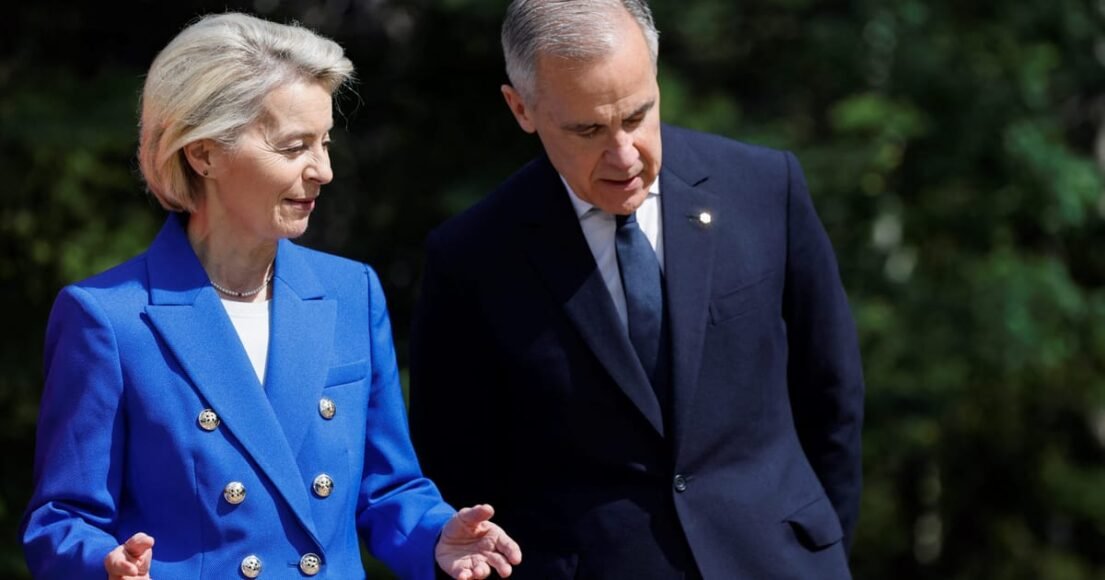
Costa, alongside European Commission President Ursula von der Leyen, represents the EU globally and recently communicated with Iranian President Masoud Pezeshkian, and leaders of Israel, the UAE, and Pakistan.
“The purpose of the phone calls was to advance the EU’s call for de-escalation and maximum restraint, the protection of civilians and full respect of international law, as well as to help create space for diplomacy,” stated a senior EU official, who spoke anonymously about the diplomatic efforts.
European countries continue to face Trump’s criticism as they reaffirm their decision not to engage in the conflict, despite Iran’s naval blockade of the Strait of Hormuz causing a surge in global energy prices. Several EU nations have declined requests to use American bases on their soil for attacks, a move Trump criticized online as “VERY UNHELPFUL.”
The UK recently hosted a virtual meeting of 41 countries, including France, Germany, and Canada, to establish a common position on reopening the Strait of Hormuz. A British statement indicated support for a U.N. diplomatic initiative to end the war, rejecting Iran’s demands for tolls for safe passage.
Iran is demanding vessels pay tolls to transit the waterway, which connects oil and gas exporters like Qatar and Saudi Arabia to the global market. According to Lloyd’s List Intelligence, 26 vessels have passed through the strait since March 13, with some paying fees in Chinese yuan.



Leave a Reply