


One of history’s most renowned figures, Jesus of Nazareth, believed by scholars to have been born between 6 and 4 BC, is recognized by Christians as the Messiah. His life and teachings are detailed in the New Testament of the Bible.
These scriptures also reference some of the foods he ate. For instance, the Gospel of Matthew recounts the miracle where Jesus fed five thousand, as well as women and children, by multiplying two fish and five loaves, suggesting he likely ate this simple meal too. The texts note he ate figs, a nutritious snack, and the Gospel of Mark narrates an episode where Jesus, hungry, approached a fig tree only to find it barren.
The biblical account makes it clear Jesus practiced Judaism, likely adhering to kosher laws, avoiding foods like pork and seafood. While specifics of his diet are unknown, historians infer based on his era, social standing, and regional diet.
Broad Beans
Israel’s lands are often dubbed “flowing with milk and honey,” referring to their fertility. The region is abundant with fruits like grapes, pomegranates, and citrus. Legumes have been consumed for millennia here. Galilee excavations unearthed ancient broad bean seeds, rich in protein and carbs, a critical energy source, especially as Jesus often traveled by foot. These beans were affordable, significant since he wasn’t from a wealthy background.
Jewish texts, the Talmud and the Mishnah, mention broad beans, suggesting they were part of the local cuisine. The Mishnah describes a dish of mashed broad beans, olive oil, and garlic, akin to today’s ful medames.
Lamb
In Jesus’ time, lamb was both food and a religious symbol. The Old Testament and Torah contain multiple accounts of sacrificial lambs. According to the book of Numbers, Israelites needed daily sacrifices. Dr. Tova Dickstein, an expert in biblical cuisine, notes meat was rare as it was costly.
Passover, a significant occasion for lamb consumption in which Jesus partook, forms the basis for the Last Supper in the New Testament.
As per Jewish tradition, Jesus likely consumed lamb during this period, accompanied by bitter herbs, bread, and olives.
Ashishot
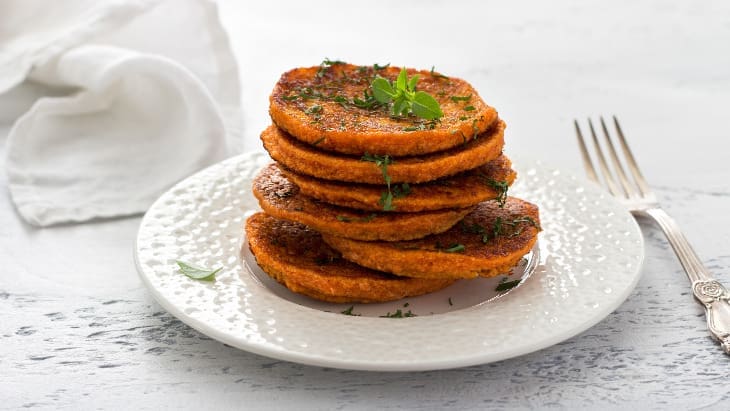
Dr. Tova Dickstein, in a chat with i24 News, mentioned ashishot, a dish first seen in the Old Testament as a strength-giving food. Though its exact ingredients are unclear, the Mishnah indicates it likely includes lentils. Later Talmud texts describe it as a lentil pancake.
Miriam Feinberg Vamos, in “Food in Biblical Times,” provides an ashishot recipe using ground red lentils, flour, olive oil, honey, and cinnamon. It’s fried in olive oil and served with honey, possibly a dish known in Jesus’ time.
Seasonal fruits and nuts might have been added, much like today’s pancake variations, using raisins or dates when available.
Illustrative photo: Ashishot/Ashishim Pancakes











Leave a Reply