


LONDON, United Kingdom – May 18, 2026 – Eurotoday Newspaper — UK trade policy has once again become one of the most discussed political and economic topics in Britain after renewed Brexit tensions pushed the issue back into national headlines. The latest political disagreements surrounding Britain’s future relationship with the European Union have triggered fresh concerns from businesses, investors, exporters, and political leaders across the country.
The renewed debate emerged after criticism directed at Prime Minister Keir Starmer from a Labour leadership rival reopened long-standing divisions over Brexit strategy, economic cooperation, and Britain’s long-term trade direction. Political analysts believe the growing pressure surrounding UK trade policy could influence financial markets, business confidence, and future elections throughout 2026.
Although Britain officially left the European Union years ago, many economic and political challenges connected to Brexit continue affecting trade operations, investment decisions, labor markets, and supply chains.
Brexit Continues to Influence UK Trade Policy
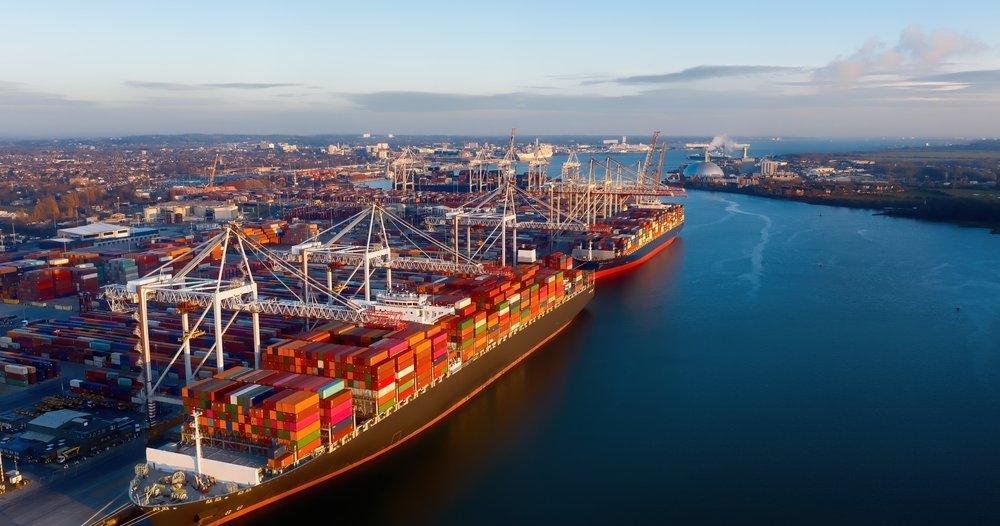
Since Brexit became official, UK trade policy has undergone significant changes. Britain gained greater independence in negotiating global trade agreements, but businesses also faced new customs procedures, border checks, regulatory barriers, and shipping complications with European markets.
The European Union remains Britain’s largest trading partner despite growing efforts to strengthen international agreements with countries outside Europe. Many companies continue struggling with export paperwork, increased logistics costs, and delays linked to post-Brexit regulations.
Economic experts say these challenges continue placing pressure on manufacturers, retailers, agriculture producers, and logistics companies.
Some political leaders argue Britain must rebuild stronger trade cooperation with Europe to support economic recovery. Others insist Brexit created opportunities for the UK to become more globally competitive through independent trade agreements and regulatory flexibility.
That disagreement remains at the center of Britain’s political debate in 2026.
Labour Leadership Faces Internal Divisions
The latest political tensions have exposed growing disagreements inside Labour regarding UK trade policy and Britain’s future relationship with Europe. While Prime Minister Starmer has ruled out rejoining the EU single market or customs union, critics inside the broader Labour movement argue the government should pursue deeper economic cooperation with European partners.
Business groups have increasingly called for reduced trade barriers and smoother customs arrangements to improve economic efficiency. Some Labour figures believe practical economic reforms could help British exporters compete more effectively in international markets.
However, political strategists remain cautious about reopening major Brexit arguments due to lingering voter divisions across the country.
One senior political observer stated:
“The Brexit vote may be over, but the economic debate surrounding it is far from finished.”
That sentiment continues gaining attention throughout British political circles.
Businesses Continue Monitoring Trade Conditions
The future direction of UK trade policy remains critically important for businesses operating across Britain. Large corporations, financial institutions, manufacturers, and






Leave a Reply