



The Spanish capital’s new urban Grand Prix promises jobs and global attention, but nearby residents want stronger protection from disruption.
Madrid’s first Formula One Grand Prix at the new Madring circuit is approaching under a cloud of neighborhood concern after residents recorded high noise levels during recent Formula Three sessions. City officials have promised acoustic barriers and other safeguards, but the dispute raises a broader question for European sport: how should cities balance the economic appeal of major events against the health, mobility, and daily lives of the people who host them?
By Daniel Mercer, Sports Correspondent, The European Times
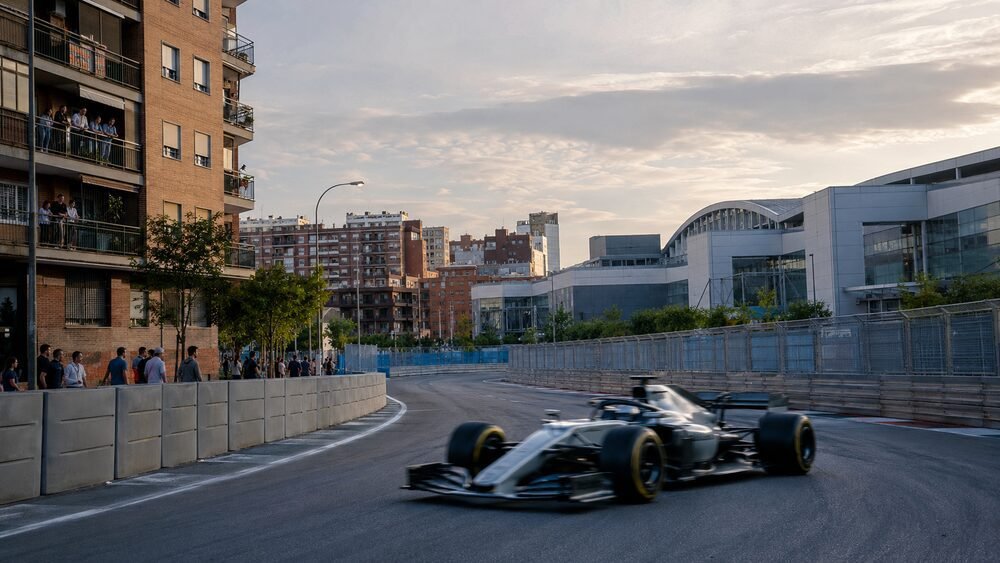
The Spanish Grand Prix is scheduled for 11–13 September on a 5.4-kilometer circuit built around the IFEMA exhibition complex in north-eastern Madrid. Unlike a remote permanent track, Madring sits alongside apartment buildings, offices, transport routes, and established neighborhoods including Valdebebas and areas of Hortaleza.
That proximity is central to the controversy. The Stop F1 Madrid residents’ platform says its own measurements during Formula Three running in August produced an average of 102.7 decibels and a peak of 109.1 decibels at one monitoring point. These were measurements taken by campaigners rather than an official city survey, and they cannot be treated as a definitive forecast of conditions during the Grand Prix. Nevertheless, they have intensified calls for independent monitoring.
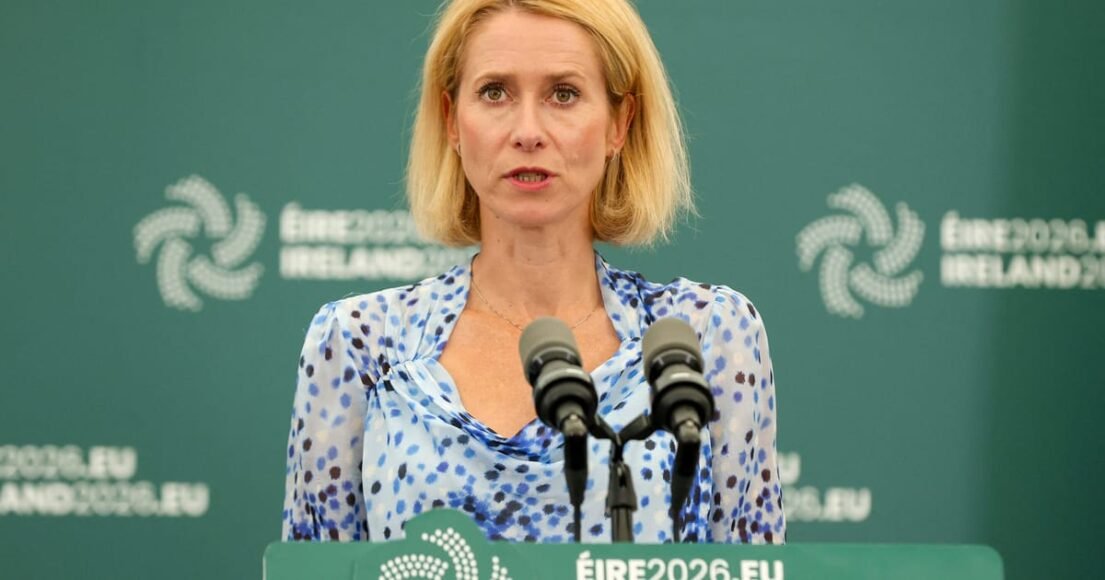
Madrid’s councillor responsible for urban planning, mobility, and the environment, Borja Carabante, has said Formula One cars are quieter than the Formula Three vehicles used during the earlier running. He has also promised acoustic panels, natural barriers, and other measures intended to reduce the impact. Residents quoted in same-day reporting from Madrid, however, remain concerned about the combined program of Formula One, Formula Two, and Formula Three activity.
Madrid’s regional government presents the Grand Prix as a major tourism and employment opportunity. Its forecasts suggest the event could generate more than €450 million in annual revenue and support over 8,000 jobs while attracting a substantial international audience. Those figures are official projections rather than independently verified results, and the inaugural event will provide the first meaningful evidence against which to judge them.
Large sporting events can create genuine benefits for hospitality businesses, transport operators, and workers. They can also strengthen a city’s international profile. But headline estimates do not show how benefits and burdens are distributed. A hotel in central Madrid may gain from additional visitors while a household beside the circuit absorbs noise, restricted access, and weeks of preparatory work.
The disruption extends beyond the racing weekend. Madrid City Council has announced road closures on several streets around the circuit from 10 August to 9 September and again from 15 to 20 September. Municipal bus route 171 is also affected. Residents have reported dust, access difficulties, and interruptions to ordinary journeys during construction and event preparation.
The legal background gives the noise dispute particular weight. The Community of Madrid’s environmental decision concluded that the selected circuit design would not require an ordinary, more extensive environmental assessment only if the city authorized a suspension of normal acoustic-quality limits.
The document states that without that suspension, the project would require the fuller assessment procedure before authorization because of the findings in the promoter’s acoustic study and the opinions of the relevant environmental departments.
This does not mean the event is operating unlawfully. Spanish law allows acoustic objectives to be suspended temporarily for certain events. It does mean, however, that exceeding the ordinary limits was foreseeable and built into the approval process. The public-interest question is therefore not whether noise will simply disappear, but whether exposure is being reduced as far as reasonably possible and whether the remaining burden is being handled transparently and fairly.
Noise should not be dismissed as a matter of personal sensitivity. Long-term environmental exposure is associated with sleep disturbance, cardiovascular illness, and mental-health effects. As The European Times has previously reported, more than one-fifth of Europeans are exposed to harmful transport-noise levels under EU reporting thresholds.
A three-day motor race is not equivalent to years of continuous road or aircraft noise, and claims about chronic health outcomes should not be transferred mechanically to this event. Yet preparation, support races, traffic changes, and repeated annual editions mean the impact cannot be assessed solely as a few hours of entertainment.
Madrid can strengthen confidence by publishing the authorized acoustic exemption, identifying which homes and public facilities face the greatest exposure, and releasing independently collected readings from several locations during the weekend. Residents should receive clear information about schedules, mobility restrictions, complaint channels, and any assistance available to particularly affected households.
The organizers should also explain which mitigation measures were installed, how their effectiveness will be measured, and what will change before the next edition if limits or forecasts are exceeded. Economic-impact claims deserve the same transparency once actual visitor spending, public expenditure, and employment figures become available.
Formula One’s return to Madrid may still deliver an important sporting occasion and substantial economic activity. Its longer-term legitimacy, however, will depend on whether the city treats neighboring communities as participants in




Leave a Reply