



Europe is facing unprecedented challenges, including the hottest summer on record, severely depleted rivers and lakes, and wildfires ravaging thousands of hectares of land.
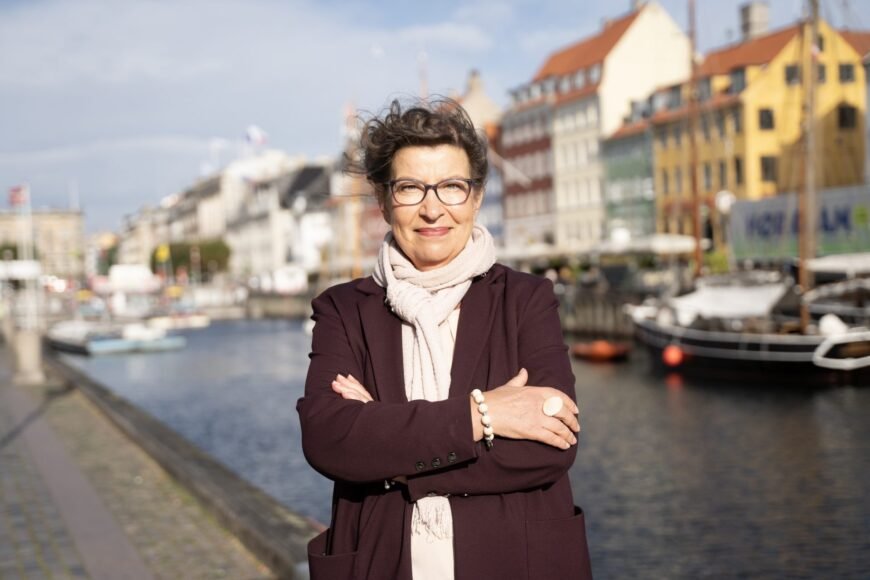
Leena Ylä-Mononen, the Executive Director of the European Environment Agency (EEA), emphasized that adapting to climate change is now essential, as its effects are already manifesting. “Severe droughts have disrupted agriculture, transport, and even energy infrastructure. We have experienced intense heatwaves across various regions, significantly affecting infrastructure, health, and the well-being of citizens,” she stated in an interview with European Newsroom (enr).
She urged European politicians to adopt a long-term perspective, planning for climate risks anticipated over the next decade, rather than focusing solely on immediate electoral concerns. “This kind of short-termism is not going to help us,” she remarked.
Ylä-Mononen cautioned that such extreme weather conditions could drastically alter agriculture in certain areas of Europe, rendering some crops unsustainable in the driest regions of the Mediterranean.
She also highlighted the importance of accelerating the transition to renewable energy to reduce reliance on imported fossil fuels and mitigate Europe’s vulnerability to fluctuating energy prices. The EEA chief noted the necessity for enhanced flexibility and storage capabilities to safeguard households and businesses during price surges.
The EEA reported that gas price variations in early 2026 resulted in a €13 billion loss for the EU by mid-April, whereas renewable energy provided €29 billion in consumer savings, underscoring its crucial role in stabilizing the energy system.
This interview was conducted by journalists from European Newsroom affiliates dpa Deutsche Presse-Agentur GmbH and Czech News Agency (CTK) on behalf of the entire network.
Explore additional coverage from our network here:





Leave a Reply