



Nicotine consumption is undergoing one of the most significant transformations in its history. Over the past two decades, a wide range of Innovative Nicotine Products (INPs) — from vapes and heated tobacco products (HTPs) to nicotine pouches and other smoke-free alternatives — has emerged alongside traditional tobacco products, fundamentally changing the way nicotine is consumed across the world.
Nevertheless, despite their rapidly growing use, INPs still face enormous controversy and ambiguous legislation in many countries.
In an article published last April 7, I addressed the European Commission’s latest Evaluation Report on its Tobacco Products and Tobacco Advertising Directives, which states that “new public health concerns have arisen” due to the growing popularity of INPs. More recently, the World Health Organization (WHO) published a document framing nicotine pouches as a danger that must be defeated.
While INPs are not 100% risk-free, supranational organizations like the EU and the WHO have largely failed to assess their benefits when compared to traditional cigarettes and, particularly, public opinion.
For instance, despite a 2022 public consultation involving 24,000 Europeans revealing that 77% of consumers agree that INPs help with smoking cessation, these findings have been repeatedly disregarded. Another fact that receives far too little attention is that Sweden managed to achieve smoke-free status — defined as a smoking rate below 5% — through a combination of traditional policies and INP-positive measures, with the majority of Swedish former smokers having switched to these alternatives.
Former smokers themselves have had much to say regarding the effects of INPs. However, We Are Innovation went one step further by surveying the friends, partners, and family members closest to them in order to understand what quitting really looks like from the outside and what role innovative nicotine products played in that process. The study was conducted by Ipsos across the United States, Canada, France, the United Kingdom, and Japan, and its results offer further evidence that switching to INPs can improve the lives of smokers.
According to the relatives and friends of former smokers, switching to INPs has a positive impact on the former smoker’s personal appearance, smell, personal presence, self-confidence, sociability, and emotional well-being. Loved ones also report improvements that directly affect themselves. Reduced exposure to secondhand smoke ranks as the most noticeable change, but improved shared experiences — from social activities and exercise to simply going out to restaurants — are not far behind.
The numbers matter as well. Some of the measurable key takeaways from the WAI/Ipsos survey include:
● Support for adult smokers’ rights to access INPs ranges from 70% in Canada to 86% in the United Kingdom;
● Efficacy perceptions range from 84% for vapes to 89% for heated tobacco products, with nicotine pouches perceived as helpful by 87% of respondents;
● Between 69% and 84% of respondents agreed that switching to INPs was an effective way for their friend or relative to quit smoking cigarettes, while 66% to 78% believed it would not have been possible for their friend or relative to quit without them.
Ultimately, the debate surrounding INPs cannot continue to ignore the experiences and demands of the very people most affected by tobacco policies. And those people are not just smokers or former smokers, but also their families and friends.
While caution and regulation remain necessary, public opinion increasingly points toward a clear expectation: adult consumers want access to less harmful alternatives that can help them move away from combustible cigarettes.
Policymakers
Comments
20 responses to “Listening to Families: A New Perspective on Nicotine Policy”
-
Listening to families about nicotine policy? Brilliant idea! Next, let’s consult the cat about the economy—I’m sure Mr. Whiskers has some purr-fect insights! 😏💼
-
Oh, fantastic! Let’s just consult families on nicotine policy like they’re picking toppings for a pizza. Who knew the secret to public health was just a family meeting away? 🤦♂️🍕
-
Blimey, listening to families about nicotine policy is like asking a cat for driving lessons – you know it’s going to be a disaster, but at least it’s entertaining! 😂 Just what we need, more opinions from the folks who can’t keep their own car keys in check!
-
Oh, fantastic! Because clearly, what the world needs is another lengthy report on nicotine policies—just what we were all waiting for, right? 😏
-
Oh, a fresh perspective on nicotine policy? How revolutionary! Next, they’ll be telling us that ice cream is good for weight loss. 🍦
-
Seems like the EU wants to keep us all in a bubble, huh? Can’t have the plebs deciding how they want to quit smoking—much better to stick to the old habits like a true connoisseur of bad decisions. 🤷♂️💨
-
Finally, a report that *listens* to families—because who doesn’t want their loved ones smelling like a bouquet of roses rather than a chimney? 🙄 Just what we needed, more bureaucracy to tell us how to live, eh? 🍃
-
Coz who wouldn’t want to gamble their health on the latest nicotine fad while the EU plays its usual game of legislative hopscotch? 🎲 I guess the families of former smokers just need to keep their opinions to themselves—what do they know about fresh air and social gatherings, eh? 😏
-
Seems like the EU is really trying to outdo itself in the “let’s ignore the obvious” department. Maybe they think that listening to families means just nodding thoughtfully while they puff on their traditional smokes? 🤷♂️
-
Who knew that listening to families would actually involve this much nicotine? It’s almost like we need a symposium on the joys of avoiding secondhand smoke while still clinging to our vices. 😂
-
Just what we need—a deep dive into nicotine policy from families who probably haven’t had their morning espresso yet! 🤷♂️ I guess ignoring public opinion is the latest trend in Brussels; must be lovely living in that echo chamber!
-
Just what we needed, another report telling us how families feel about nicotine – because obviously, their opinions on life choices matter more than, say, actual public health data. Who knew that quitting smoking could be so complicated? 🤔
-
Talk about a groundbreaking revelation—who knew families cared about their loved ones not smelling like a chimney? 🤷♂️ Let’s just ignore the evidence and keep the traditional smoke signals flying, shall we? #ProgressIsOverrated
-
Honestly, it’s a wonder the EU hasn’t just banned breathing altogether at this point! 😊 With all the fuss over INPs, you’d think they were suggesting we all take up smoking again instead of actually helping folks quit.
-
Who knew the key to revolutionizing nicotine policy was listening to families? I suppose next we’ll be consulting toddlers on fiscal policy! 😂
-
Nicotine policy sure is a thrilling ride, isn’t it? Just when you think we might actually listen to families, bam! The WHO swoops in like a bad sitcom villain, ready to ruin the party. 🍻
-
Seems like the EU is really onto something—who knew families were so interested in nicotine policy? It’s almost as if they think reducing harmful habits could improve family dinners. 😂
-
Isn’t it just delightful how our esteemed policymakers are so keen on listening to “families” while seemingly ignoring the actual data? 😏 Keep it real, mates; maybe they should take a leaf out of Sweden’s book instead of sticking to old-school tobacco dramas! 🍃
-
Seems like the EU’s nicotine policies are taking cues from a soap opera—lots of drama, but no one’s actually watching the show. 🙄 Who knew we’d need a family therapist to sort out smoking regulations?
-
Seems like we’ve finally found the magic solution to all our nicotine woes—who knew families had opinions too? 🥳 Let’s just ask the relatives next time instead of, you know, relying on actual research.

Last News

EU seeks influencers to cover its summits — but only if they support the bloc
The guidance also states that content creators should not have any “significant or long-standing commercial collaborations” to prevent connections with big brands. The influencers will not recei

Media Coverage: A Powerful Reputation-Building Tool for UK Brands
London, June 24 – Eurotoday Newspaper — Corporate reputation management is becoming a key priority for UK businesses as companies seek to strengthen trust and credibility in a highly competitive digital environment. Despite the growth of social media marketing and online advertising, media coverage continues to play a vital role in shaping public perception and building brand authority.
Industry

Lithuania’s Government Resigns
The outgoing administration approved its resignation on June 23, as Ruginienė suggested returning the government’s powers to President Gitanas Nausėda. The Lithuania
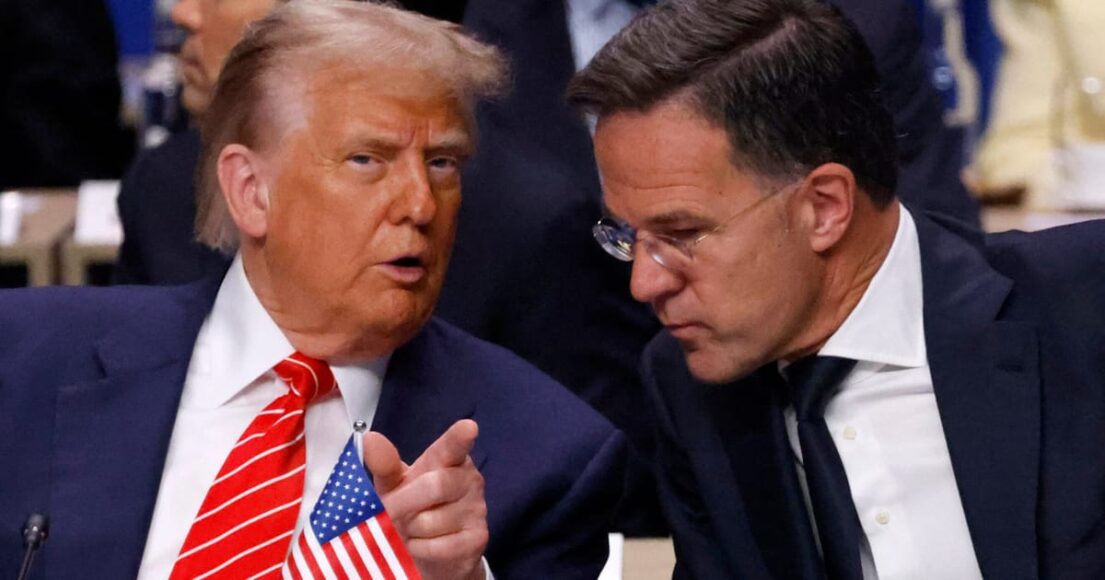
European Leaders Commit to Strengthen NATO Role Ahead of Trump-Rutte Talks
NATO Secretary-General Mark Rutte, who is anticipated to meet Trump later on Wednesday, participated in the leaders’ discussions via video call. He is expected to deliver their message dir

US Defense Exports Advance with Turkey Jet Engine Sale Prior to NATO Summit
Washington, D.C., Ankara, June 24 – Eurotoday Newspaper — A planned agreement involving US defense exports is moving closer to approval as Washington and Ankara advance discussions on jet engine sales ahead of the upcoming NATO summit. Sources familiar with the matter say the move could strengthen defense cooperation between the two NATO allies at a critical time for regional security planning.

Argentina: The Disturbing Pattern of Fernando Arrigo
By Alessandro Amicarelli
I first became interested in Prosecutor Fernando Arrigo and his team due to their intense prosecution of Russian dissident and spiritual teacher Konstantin Rudnev, whom they accuse of being a “cult” leader. As I examined further, I found Arrigo

RN : Bardella est-il infaillible ?
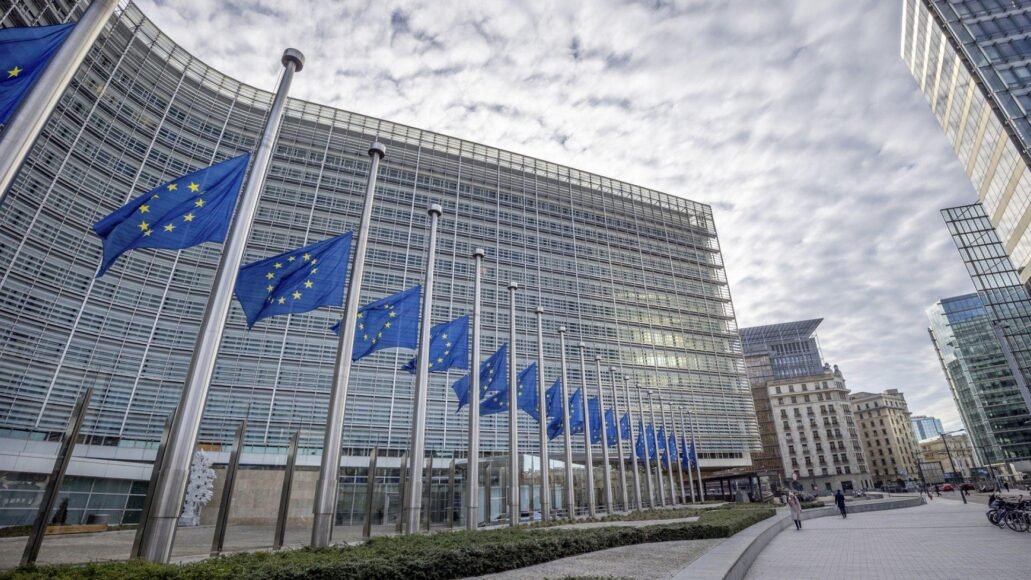
New Diplomatic Leadership Emerges in Europe Due to EU Security Strategy Shift
Brussels, Belgium, June 24 – Eurotoday Newspaper — The EU security strategy is expected to play a central role following the appointment of a former Dutch defence minister to lead the European Union’s diplomatic service, a move that comes as Europe faces increasing geopolitical and security challenges.
European officials view the leadership change as an important step toward strengthening foreig

EU Investigates Meta’s Addictive Design
According to reports from Bloomberg and highlighted by European technology media, the Commission has yet to formally a
Leave a Reply