


ASTANA, Kazakhstan – May 27 – Eurotoday Newspaper — Kazakhstan energy crisis concerns are intensifying as Russian nuclear giant Rosatom moves closer to participating in the country’s planned Balkhash nuclear power project, a development that could reshape Central Asia’s long-term energy landscape.
Kazakhstan’s government has increasingly warned about electricity shortages, rising industrial demand, and pressure on aging coal infrastructure. Officials believe nuclear energy could become a critical solution for stabilizing the country’s power supply over the next several decades.
The Balkhash nuclear project is now viewed as one of the most strategically important infrastructure developments in Kazakhstan’s modern history.
An energy analyst based in Astana said,
“Kazakhstan is approaching a critical turning point where energy security is becoming directly tied to economic stability.”
Why Kazakhstan Faces Rising Energy Pressure
The Kazakhstan energy crisis has developed gradually over several years as electricity demand expanded faster than infrastructure modernization.
Several factors are contributing to the pressure:
- Aging coal-fired power stations
- Rapid industrial growth
- Increasing urban electricity consumption
- Seasonal winter shortages
- Delays in major infrastructure investment
Kazakhstan remains heavily dependent on coal generation, but many facilities require modernization or replacement. Energy experts warn that without major investment, future supply shortages could become more severe.
Industrial production and mining activity have also increased power consumption across multiple regions, especially in southern Kazakhstan.
Rosatom Strengthens Its Position in Central Asia
Rosatom has emerged as a leading candidate for Kazakhstan’s nuclear expansion plans because of its extensive international reactor construction experience.
The Russian state-owned company has pursued nuclear projects across Asia, Africa, and the Middle East while promoting long-term fuel supply and financing partnerships.
The proposed Balkhash project could become Rosatom’s most strategically important development in Central Asia.
The Kazakhstan energy crisis has created urgency around securing stable baseload electricity generation, making nuclear power increasingly attractive for policymakers.
Industry observers believe Rosatom’s existing regional relationships provide significant advantages during negotiations.
Balkhash Nuclear Project Gains Momentum
The Balkhash nuclear facility is expected to become Kazakhstan’s first large-scale nuclear power station in decades if approved.
Government officials have indicated that the project may help:
-
Looks like Kazakhstan’s energy future is really taking a turn for the electrifying, eh? Nothing screams “stability” quite like putting your faith in a nuclear agreement with Rosatom—just what every country needs, more high-stakes Russian roulette! 😂🔌
-
Lovely to see Kazakhstan turning to nuclear power — because who doesn’t want their energy supply sprinkled with a bit of Russian flair? 🤷♂️ Hope they’ve got a good warranty on those reactors!
-
Looks like Kazakhstan’s energy strategy is taking a page from the “let’s invite the neighbors to fix our mess” handbook. Who needs a stable power supply when you can have a nuclear power project instead? 💡😅
-
Looks like Kazakhstan is going nuclear—because who needs reliable energy when you can just roll the dice with Rosatom? 🎲⚡️ Guess it’s time to stock up on candles and flashlights, eh? 😅
-
Seems like Kazakhstan’s energy plan is to play a game of musical chairs, but with nuclear reactors instead of seats—good luck finding a place to sit when the music stops! 🎶💣
-
Talk about a bright idea! Nothing says “let’s fix our energy crisis” like inviting the Russians to build a nuke plant. Hope they come with a side of reliability. 😏💡
-
Looks like Kazakhstan’s got itself in a bit of an energy pickle, eh? 🤷♂️ Nothing says “stability” quite like relying on a Russian nuclear giant—just what every aspiring nation needs, right? 😅
-
Seems like Kazakhstan’s energy crisis is just what Rosatom needed for a little “nuclear romance.” Who knew the path to stability involved a little bit of nuclear flirting? 😂💡
-
Seems like Kazakhstan’s energy strategy is as solid as a chocolate teapot. 🌍🔋 Who needs reliable power when you can cozy up to Rosatom and build a nuclear power plant instead? Classic move! 😏
-
Just what Kazakhstan needs, a nuclear power plant to complement its already charming array of coal plants—because who doesn’t want a side of radiation with their electricity? 💡⚡️
-
Kazakhstan’s energy woes? Brilliant plan—let’s hand the keys to our power supply to the Russians! What could possibly go wrong? 😏💡
-
Looks like Kazakhstan’s energy crisis is just what Rosatom needed to pitch their latest “power play.” Who knew that dealing with electricity shortages could get so electrifying? ⚡😏
-
Just what Kazakhstan needed, a nuclear power plant to solve its electricity woes—because nothing says “stable energy future” like a Russian nuclear deal. 💡🤷♂️ Cheers to that brilliant plan!
-
Looks like Kazakhstan’s energy strategy is taking a page out of the “let’s just wing it” handbook! Who needs stable power when you can have the thrill of an impending blackout? ⚡️😅
-
Just what Kazakhstan needs, a nuclear power plant to spice up the electricity shortages! Because who doesn’t love a bit of radioactive energy when your coal plants are on life support? 💥😅
-
Isn’t it adorable how Kazakhstan thinks a nuclear power plant will solve all its energy woes? Just what every country needs—more *spark* in the dark! ⚡️💥
-
Just what Kazakhstan needs, a nuclear power plant to light up the dark days ahead—because who needs electricity when you have a good ol’ game of ‘guess when the lights will go out’? 🤷♂️💡
-
Looks like Kazakhstan’s energy crisis is just a warm-up act for the main event, with Rosatom stepping in like a knight in shining armor—if that armor were made of questionable coal byproducts. Can’t wait for Astana 2026; I hear the power outages will be electrifying! ⚡️😏
-
Just what Kazakhstan needed, right? A nuclear makeover courtesy of Rosatom—because who needs reliable coal when you can play with radiation? ⚡️💥
-
Kazakhstan really knows how to spice things up, doesn’t it? Just when you thought coal was the only game in town, here comes Rosatom with a shiny nuclear proposal—because why not add a dash of radiation to the energy crisis stew? 😂
Comments
20 responses to “Kazakhstan’s Energy Crisis Worsens as Rosatom Approaches Balkhash Nuclear Agreement for Astana 2026”

Last News
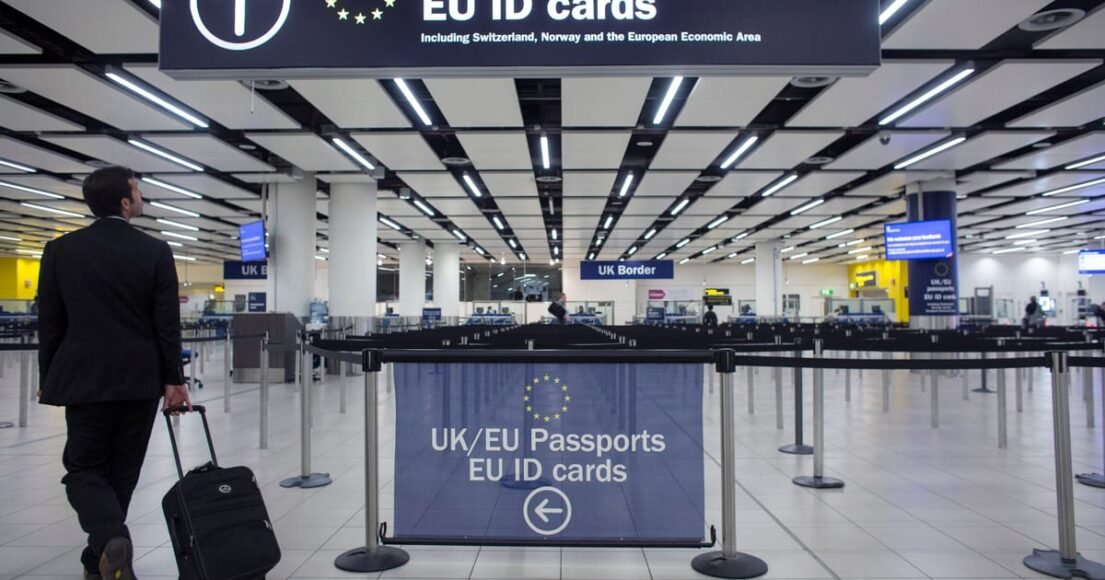
Britain assured EU citizens about its settled status system, then muddled identical twins.
Many such cases
Monique Hawkins, acting CEO of the3million, which advocates for the rights of EU citizens in the U.K., noted that issues wit

Lando Norris Claims Dutch Grand Prix Victory from Pole in Zandvoort
Zandvoort, Netherlands, 23 August (Eurotoday) – Lando Norris won the Dutch Grand Prix from pole position on Sunday, taking his second Formula One victory in succession as McLaren finished ahead of Mercedes drivers Kimi Antonelli and George Russell at Zandvoort.
Norris completed the 72-lap race 11.536 seconds ahead of championship leader Antonelli. Russell finished third, with Lewis Hamilton four
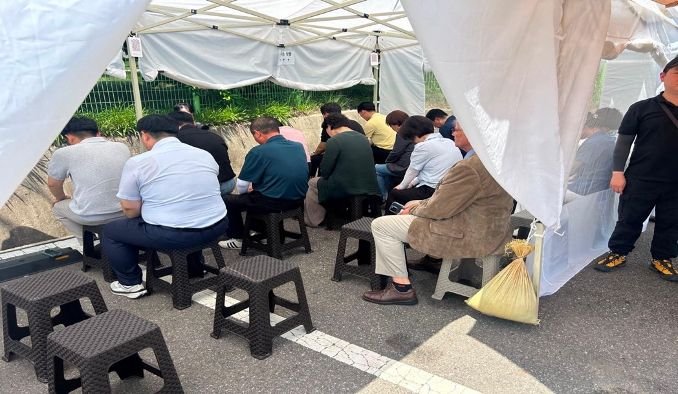
I Visited Chairman Lee Man-hee in Prison in Seoul
HRWF Report on Visiting 95-Year-Old Chairman Lee Man-hee of the Shincheonji Church of Jesus. He is in pre-trial detention during an extreme heatwave and questions whether Korean law’s supervised alternatives should be used.
Thursday, 6 August 2026 at 2:00 pm. The detention-centre visiting room is a little more than four metres square. In front of us, a wall of double glass perhaps ten centimetre
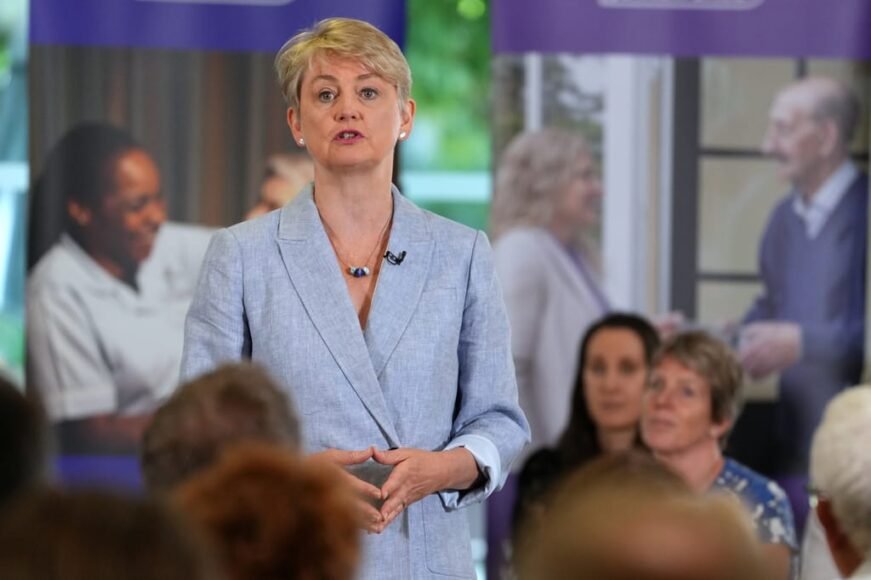
UK Assisted Dying Bill Returns: Labour Advocate Seeks Inspiration from Australia
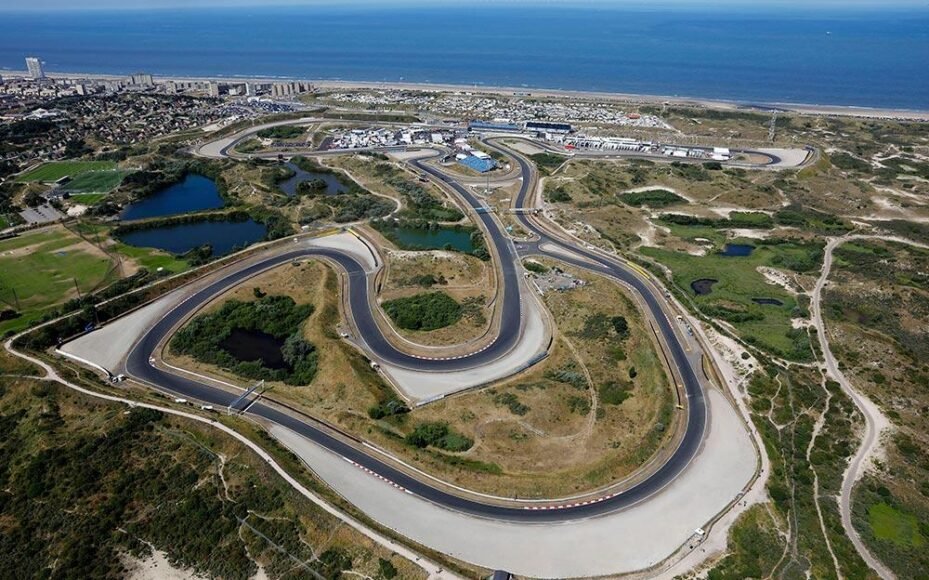
Lando Norris Defeats Kimi Antonelli to Win 2026 Dutch GP – Zandvoort
Zandvoort, Netherlands, 23 August (Eurotoday Newspaper) – Lando Norris won the Dutch GP 2026 for McLaren on Sunday, finishing ahead of Mercedes pair Kimi Antonelli and George Russell after Max Verstappen’s home race ended on the opening lap. Norris started from pole, regained the lead after losing it following the restart and went on to take his second consecutive Formula One victory.
Norris cro
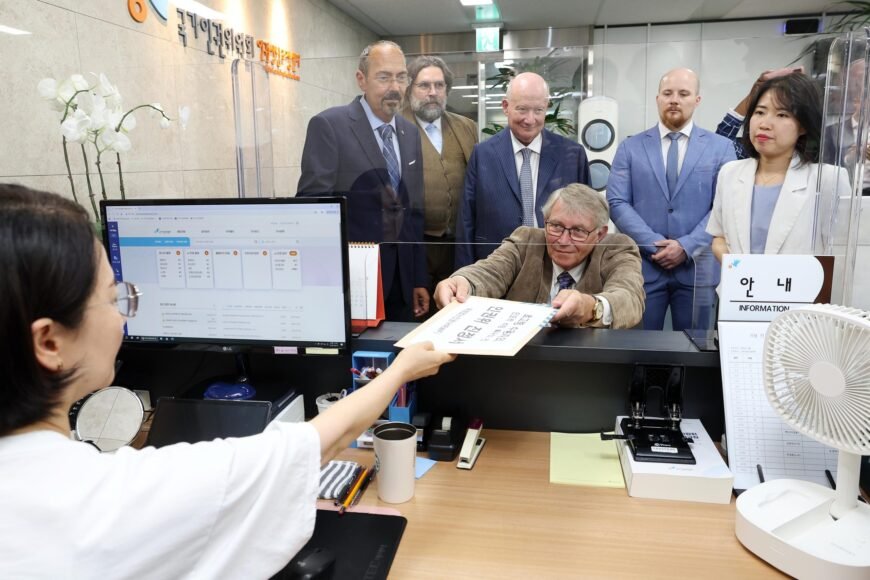
EU Scholars Petition for Alternative to Pre-Trial Detention for 95-Year-Old Chairman Lee
This initiative followed a press conference by Human Rights Without Frontiers (HRWF) on August 7 at the Seoul Foreign Correspondents’ Club. HRWF Associate Director Hans Noot read a petition addressed
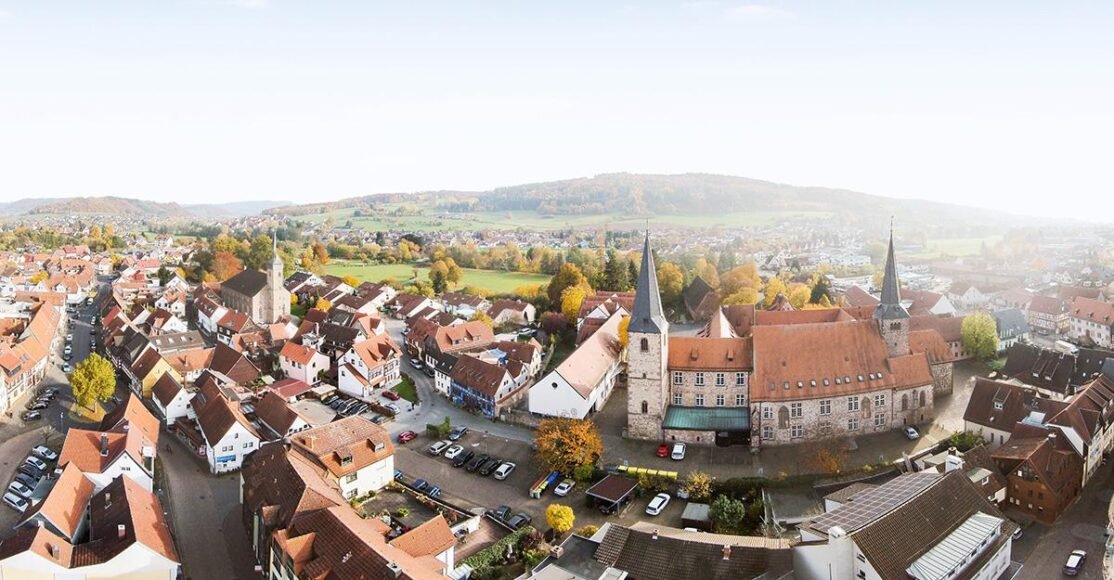
Police Investigate Wedding Convoy on A66 Near Schlüchtern
Schlüchtern, Germany, 23 August (Eurotoday Newspaper) – Police in Hesse are investigating an A66 wedding convoy after motorists reported that several vehicles travelled slowly across both lanes of the motorway near Schlüchtern, temporarily affecting traffic heading towards Fulda.
The incident happened at around 2.45pm on Thursday, 20 August. Several motorists contacted police about the processio
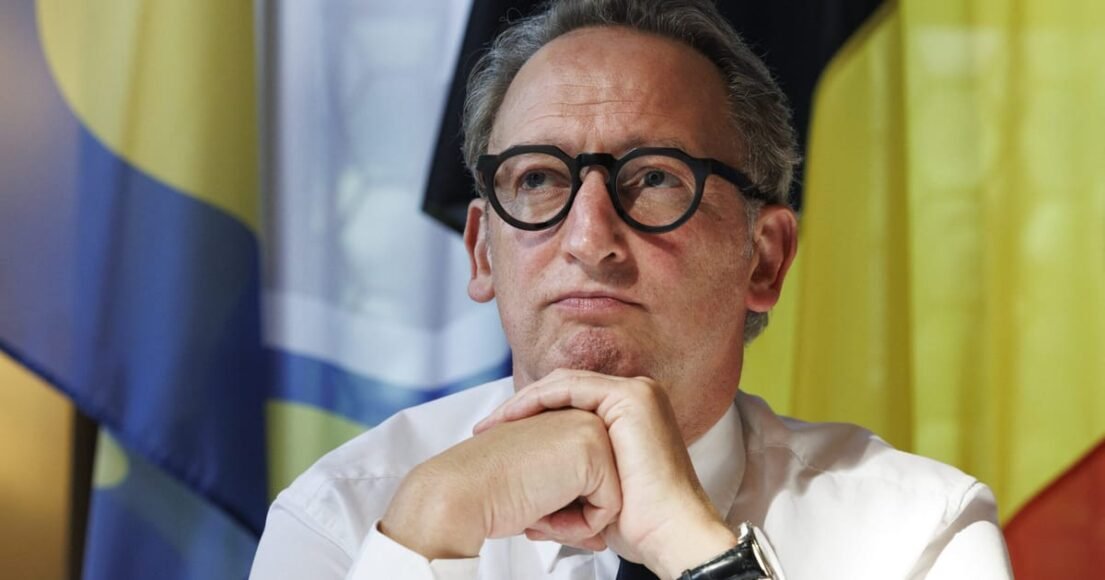
Man Injured in Drug-Related Brussels Shooting Following Police Station Attack
Dilliès mentioned that his government is taking steps to combat the violence, such as appointing a Brussels commissioner for drugs starting in September, and limiting the use of e-scooters, which

The Chain Hasn’t Disappeared: It’s Just Changed Its Name – Dialogue on Servitude 2.0
Christine Mirre & Yodith Gideon on the occasion of the International Day for the Remembrance of the Slave Trade and its Abolition (August 23)
Introduction
Observed each year on August 23, the International Day for the Remembrance of the Transatlantic Slave Trade and its Abolition commemorates the slave uprisi
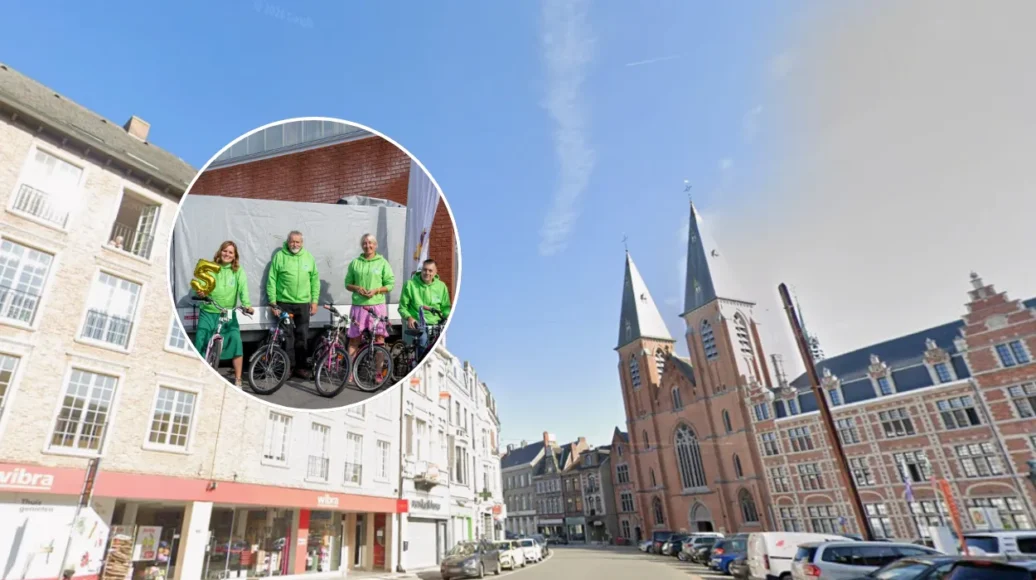
Five Years of Success: Dendermonde Bike Library Celebrates Community Impact
Dendermonde (Brussels Morning Newspaper) – The Bike Library in Dendermonde, Belgium, has completed five years of providing children with access to affordable bicycles, prompting volunteers to celebrate the milestone on Saturday morning.
This event turned out to be an occasion when the volunteers expressed their gratitude to the people who have been helping the initiative to succeed since its fou
Leave a Reply