


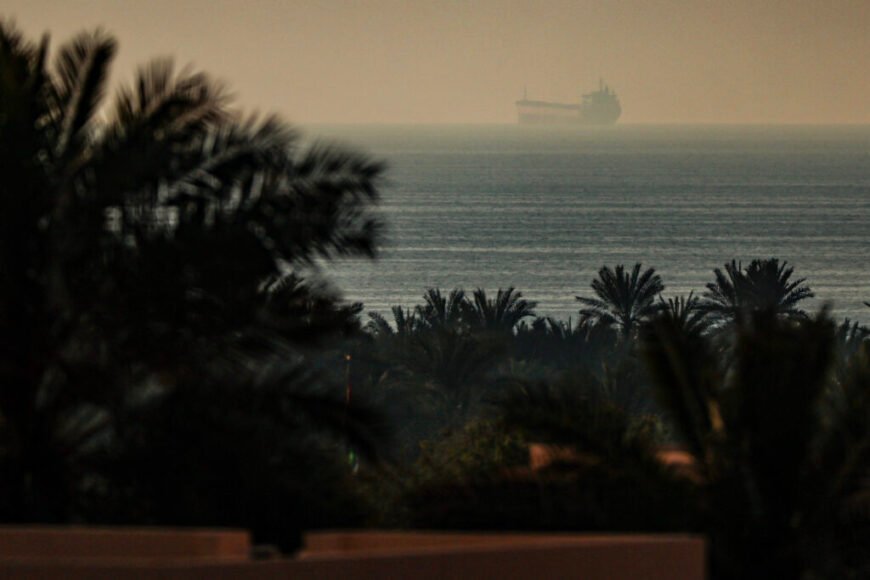
The low reserves have further increased pressure on gas prices connected to rising tensions around the Strait of Hormuz, with the European natural gas benchmark consistently higher now than during the first four months of the Iran conflict.
The European Commission, the EU’s executive body, stated there are no winter supply risks for the bloc. However, a report from energy analytics firm Rapidan predicts reserves will only reach 65 percent of total storage capacity by November, suggesting that reaching the EU’s target by winter is unachievable without “materially higher prices.”
Analysts suggest this risk is worsened by the bloc’s recent move to replace long-term supply deals with Russia with short-term purchases of globally traded liquefied natural gas. These seaborne cargoes are highly mobile and are sold to the highest bidder, leaving buyers more susceptible to international market volatility, especially after the loss of key supplies from Qatar and increased demand in Asia.

Germany, the bloc’s largest gas consumer, has seen its reserves fill slower than others, partly due to its more market-oriented approach to restocking compared to its neighbors. Consequently, reserves were only at 47 percent of national capacity in August, according to the latest data, the lowest fill level on record. This is a significant concern as the country’s reserves are crucial for the bloc overall, contributing over 20 percent to the EU’s storage capacity.
Nevertheless, Berlin is maintaining its course. Although its energy ministry has recognized the country’s historically low reserves, it has opted not to intervene to direct its main state-controlled gas buyers, SEFE and Uniper, to purchase gas at current prices to meet its targets, choosing instead to wait for better market conditions.
“It is the responsibility of companies and traders to fill the storage facilities for the winter,” a spokesperson for the German energy ministry told POLITICO. “Government-led filling of the storage facilities would further constrain the gas market and drive prices even higher. The supply situation over the coming months would actually deteriorate.”






Leave a Reply