


“I don’t know whose plan it is, but it’s not my plan,” remarked Kaja Kallas, the senior authority within the European External Action Service (EEAS), who is responsible for overseeing its operations.
Kallas revealed that she had discussed the matter with her boss, European Commission President Ursula von der Leyen, and the two had tried to trace the origins of the idea. “We tried to, you know, look into … where is it coming from,” Kallas explained.
The European Commission’s chief spokesperson, Paula Pinho, commented on the interaction, saying, “The president [has] exchanges with [the EU’s high representative for foreign affairs] and other members of [the] College all the time.”
Von der Leyen has consolidated her control over the European Union’s institutions and policymaking, taking advantage of a power vacuum created by the weakened positions of national governments in Germany and France. Meanwhile, she is maintaining close oversight over her newly-installed team.
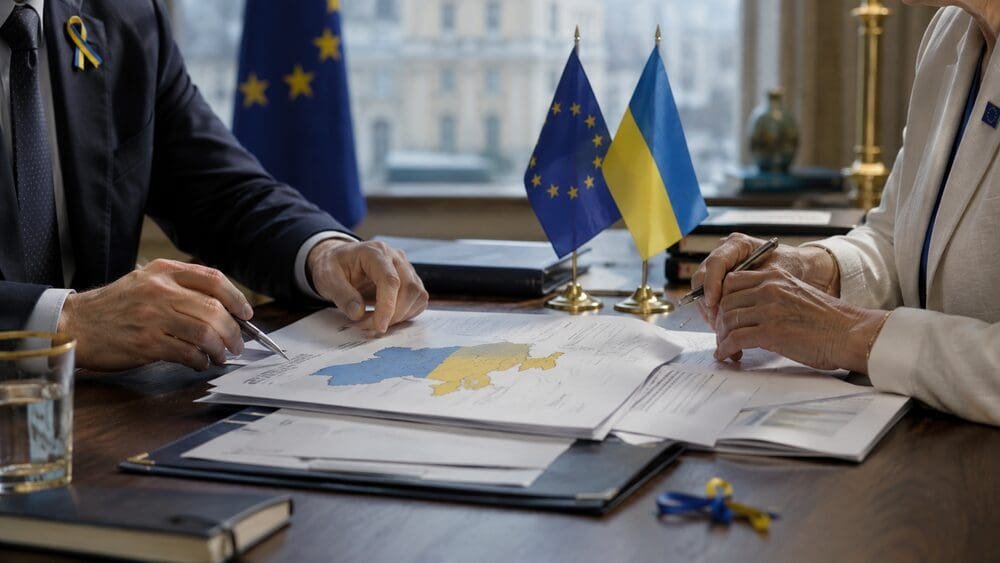
A document first reported by POLITICO indicates that the European Commission is exploring significant reductions in staffing levels at many of its embassies. Instead, the proposal seeks to bolster personnel in countries deemed strategically important to the EU. However, some officials have expressed concern that this shift could weaken the EU’s diplomatic influence, particularly in regions such as Africa and Latin America.
Although the 2025 budget for the foreign policy arm includes a modest increase, Kallas admitted that the funding “leaves us with a significant hole, and we will have to continue with our strict austerity measures.” Nonetheless, she stopped short of endorsing the EEAS’s proposal to significantly reduce personnel.








Leave a Reply