



The death of Abderrahim Fakir, a Moroccan man, during a police intervention in Bologna has stirred a national debate in Italy about restraint, accountability, and minority rights. Fakir, 42, died in the Pilastro district, prompting prosecutors to review bodycam footage and witness videos. His family is seeking truth and justice amid public scrutiny and demonstrations that turned tense. The incident raises questions about the moments before Fakir’s death, police restraint, emergency care, and the investigation’s independence.
ANSA reported that police responded to Fakir’s erratic behavior on Sunday, and he died while officers attempted to handcuff him. Bodycam footage is being reviewed. The Bologna prosecutor’s office is examining the events leading to Fakir’s death, listing two police officers and four ambulance workers in a preliminary investigation. The case is one of the first under Italy’s new “45 bis” procedure for police-involved incidents, intended to protect officers from premature accusations but criticized for potentially reducing accountability.
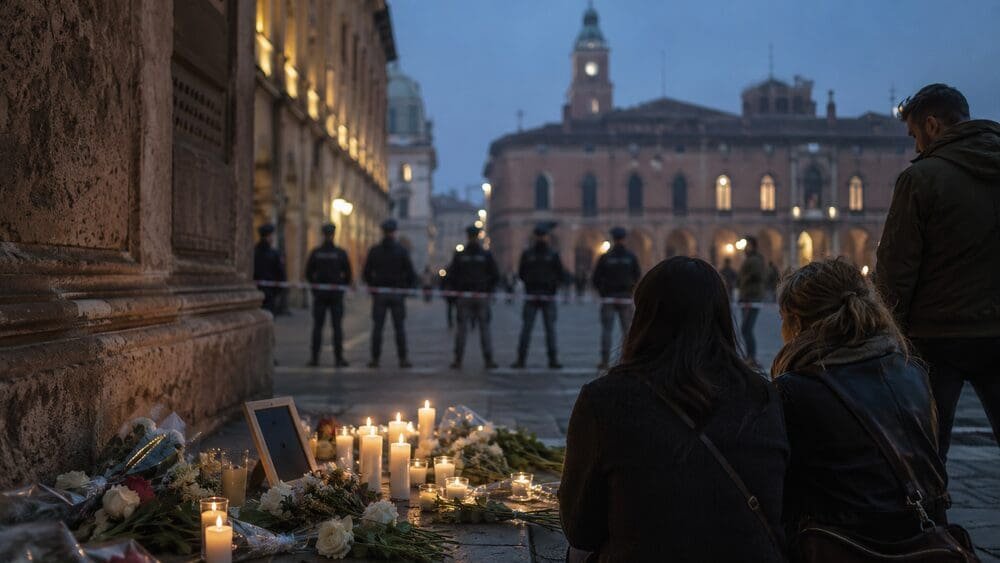
Fakir’s family demands a thorough explanation, emphasizing the need for independent investigation, as per European human rights principles. After a peaceful vigil in Piazza Nettuno led by Bologna Mayor Matteo Lepore, clashes erupted. Government officials denounced anti-police violence, while opposition leaders urged focus on the incident’s underlying issues.
Videos show Fakir calling for help before losing consciousness, and prosecutors aim to clarify the full timeline. The Italian Red Cross noted their responders were ready to assist but intervened only when allowed.
Fakir’s death highlights issues of policing, migration, mental health, and race. Known as a long-term resident with a small business, his case challenges political tendencies to view migrants through a security lens. The European Times has discussed racism in Europe manifesting through culture and migration status. The Bologna case brings these issues to the forefront—Fakir’s death demands clarity and institutional accountability, asserting that dignity shouldn’t depend on nationality or public perception.
Italian authorities have a chance to ensure a transparent and independent investigation, treating everyone involved fairly while avoiding premature conclusions. For Bologna, the challenge is maintaining calm and ensuring public trust in the investigation’s integrity, regardless of power or origin.










Leave a Reply