



EU Approves UK’s Role in Ukraine Loan, Linking Security Cooperation to Oversight
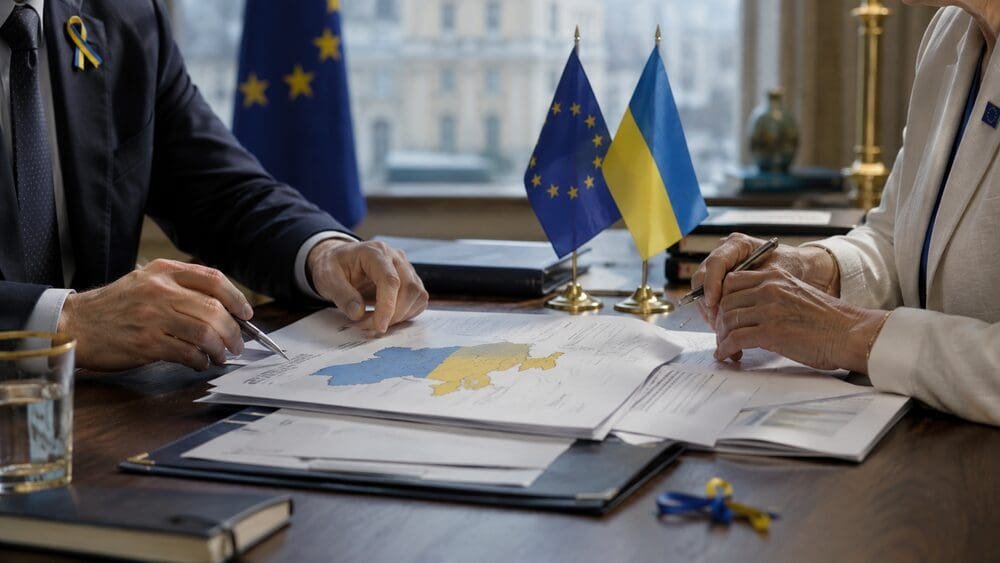
EU countries have agreed to the UK’s involvement in the €90 billion Ukraine Support Loan, expanding Kyiv’s financial resources and supplier access for maintaining public services and civilian protection through 2026 and 2027. This move, announced in Brussels, is part of rebuilding EU-UK security ties centered on Ukraine after Brexit.
The Council’s approval lets Ukraine obtain defence-related procurement from UK industries, adding to the existing EU, EEA-EFTA, and other third-country supplier framework. The loan aims to address Ukraine’s urgent needs amid Russia’s ongoing conflict.
The structure divides support into two channels: €60 billion for defense industry capacity and procurement, and €30 billion for direct economic and budgetary aid. The Council reports €8.1 billion has been disbursed, including €3.2 billion in budgetary aid and nearly €4.9 billion for defense. The Commission is set to release €28.3 billion of the defense package in 2026.
A Politically Significant Financing Decision
This approval follows a UK-EU deal from 13 July. The UK’s participation depends on three conditions: fair cost-sharing, a security and defense partnership with the EU, and existing substantial support for Ukraine.
For Ukraine, this means predictable funding. Wartime budgets cover more than military needs; they also ensure salaries, infrastructure, and basic services are maintained. While a loan won’t end the conflict, steady financing eases pressure on a nation bearing war’s social costs.
For the EU, the move is institutionally important. The loan, backed by EU borrowing, comes with conditions on rule of law and anti-corruption, crucial for public legitimacy and swift disbursement. European taxpayers, Ukrainians, and civil society have a stake in understanding how funds are spent, beneficiaries, and applied safeguards.
Post-Brexit Cooperation in Action
The UK’s inclusion in the loan framework exemplifies security cooperation turning into tangible commitments. This aligns with broader European efforts to coordinate defense procurement with trusted allies, like recent defense collaboration involving non-EU partners.
This trend acknowledges reality: Ukraine’s needs are immediate while Europe’s industrial capacity has gaps after fragmented national purchasing and underinvestment. Including partners like the UK may speed up procurement for Kyiv, but raises questions about balancing urgency with strategic autonomy, transparency, and democratic oversight.
The Council said the UK’s formal participation will be adopted in the coming days via written procedure, becoming effective upon publication in the EU’s Official Journal.
The broader implications will evolve over months. If the loan bolsters Ukraine’s resilience while maintaining accountability, it could set a precedent for European solidarity under strain. If scrutiny lags, political consensus for such support may waver. Speed and trust are vital in prolonged conflict.








Leave a Reply