


Ambassadors are set to hold an additional round of negotiations on Thursday morning to salvage the package, confirmed by an EU diplomat.
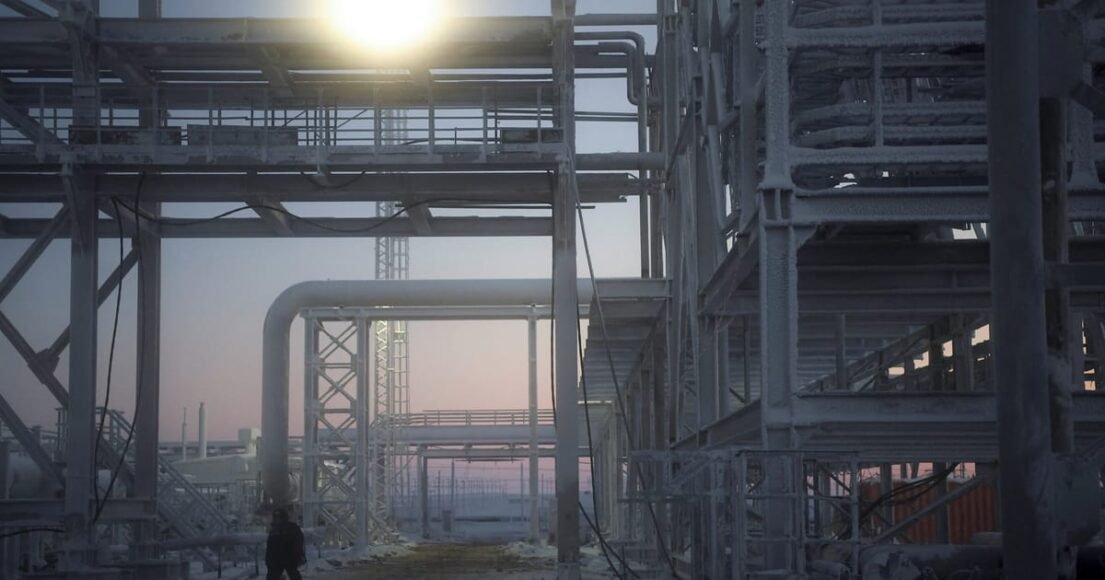
Ireland, currently holding the rotating Presidency of the Council of the EU, proposed on Wednesday that European gas tankers be allowed to export Russian liquefied natural gas (LNG) to third countries until January 2029. The proposal, which was reviewed by POLITICO, would cap Russian exports and ban new contracts.
However, the Greek government has resisted the compromise, advocating for an indefinite exception instead, according to three EU diplomats involved in the discussions who were granted anonymity to discuss the sensitive negotiations. Greece’s Dynagas shipping company operates some of the ice-ready ships capable of reaching Russia’s LNG terminal on the Arctic Ocean. The Greek government argues that if the EU bans its companies from exporting Russian gas, these ships would simply register elsewhere, decreasing EU oversight.
Greece’s merchant shipping fleet, comprising over 5,000 vessels, transports around one-fifth of the world’s cargo by weight, more than any other nation. It possesses the world’s largest LNG fleet by capacity.
The delay also necessitates an extension of the EU’s ceiling on Russian oil purchases for a brief period. Moscow’s crude is sold at a fraction of the market rate, yet rising energy prices due to the war in the Middle East would lead to a recalculation of the $44.10-per-barrel limit, resulting in a windfall profit for the Kremlin.
Since sanctions demand unanimity among the EU’s 27 capitals, national governments may leverage their approval by demanding other concessions. Former Hungarian Prime Minister Viktor Orbán was known for blocking support for Ukraine, although EU leaders hope Budapest will be less obstructive under his successor, Péter Magyar.
The initial proposal for the sanctions package— the 21st since Russia initiated its full-scale invasion of Ukraine — included travel restrictions for former Russian armed forces fighters, sanctions on dozens more banks, and banned another 250 individuals from entering the bloc.
The delay pushes talks to the wire, past the expected deadline for legislative proceedings, as Wednesday was intended to be the final ambassadors meeting before the August summer holidays. The evening session included a farewell dinner for envoys changing posts before reconvening in September after the break.







Leave a Reply