


Madrid has firmly dismissed Italy’s claims, emphasizing that none of the migrants entering Ceuta could have gained legal status under existing criteria. Spanish representatives criticized Rome for suggesting poor management of the EU’s borders, highlighting data that Italy handles unauthorized migration less effectively.
“Italy has the highest number of irregular crossings in recent years, sometimes doubling Spain’s figures,” stated a Spanish government spokesperson on Friday.
Italy and Spain reinstating border checks highlight the Schengen area’s vulnerability, operational since 1995, covering 29 nations. Current regulations permit member states to reintroduce controls for up to six months to tackle security issues, renewable every six months for two years and, in exceptional cases, up to three years.
The conflict between Rome and Madrid is not expected to last this long, but travelers between the two face inconveniences.
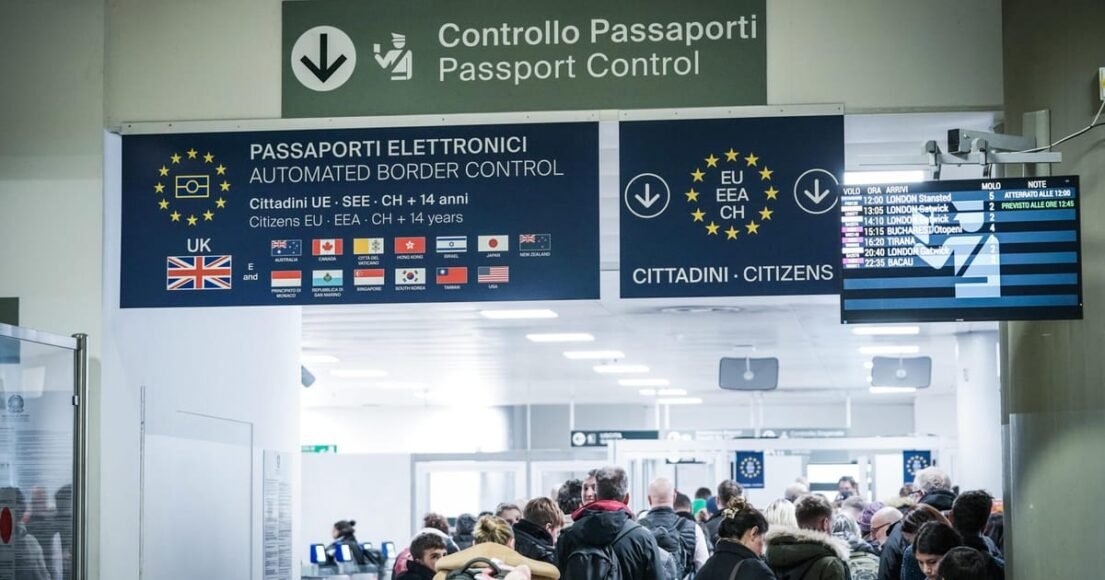
Throughout the week, travelers on flights from Spanish airports reported delays upon arriving in Italy due to intensified ID checks by Italian carabinieri. On Saturday, passengers arriving in Spain from Italy encountered similar procedures enforced by Spanish National Police.
In 2024, 3.2 million Spaniards visited Italy, and 5.4 million Italians traveled to Spain. These renewed controls could deter travel between the countries, potentially benefiting other European destinations amid this political conflict at passport controls.
This article has been updated with additional reporting by Gabriel Gavin.









Leave a Reply