


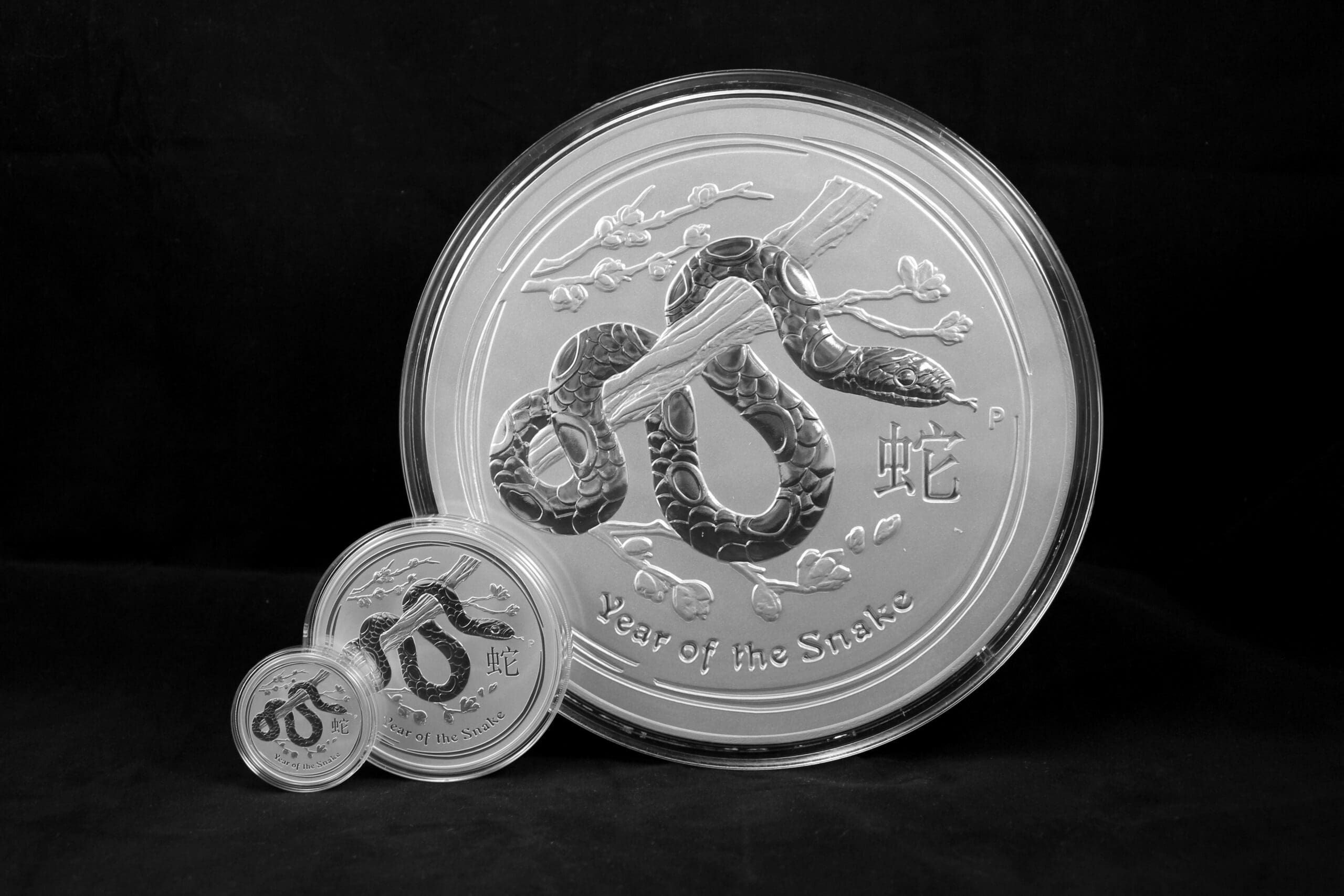
Retail investors opt for silver bars as a cost-effective alternative to gold.
China’s silver imports surged by 78% month-on-month, hitting a record ~836 tons in March, which is 173% above the 10-year seasonal average for this month. Since the start of the year, silver imports have totaled ~1,626 tons, marking the highest level on record. This demand accounts for the significant price gap between the Shanghai exchanges (primarily physical transactions) and those in New York and London (mainly paper transactions). In China, silver trades about 13% higher, attracting all the physical flow.
The robust demand in China is fueled by retail investors purchasing small silver bars as a cheaper alternative to gold, along with solar panel manufacturers ramping up production before export tax breaks end on April 1.
Overall, this year is on track to be the sixth consecutive year of global deficit according to the World Silver Survey 2026. Notably, a 3% reduction in industrial silver consumption is anticipated, driven by high prices prompting a shift to substitutes. Jewelry demand is also expected to decline. However, investment silver is projected to experience substantial growth (+14%). Ultimately, demand remains largely unchanged.
Conversely, mining and recycling are expanding at a sluggish pace despite record prices. Silver mining companies struggle to keep up. There are no major new deposits, and primary silver mines contribute only 26% of global production. The remainder primarily comes as a byproduct from zinc, lead, and copper deposits where silver prices hold less significance.










Leave a Reply