


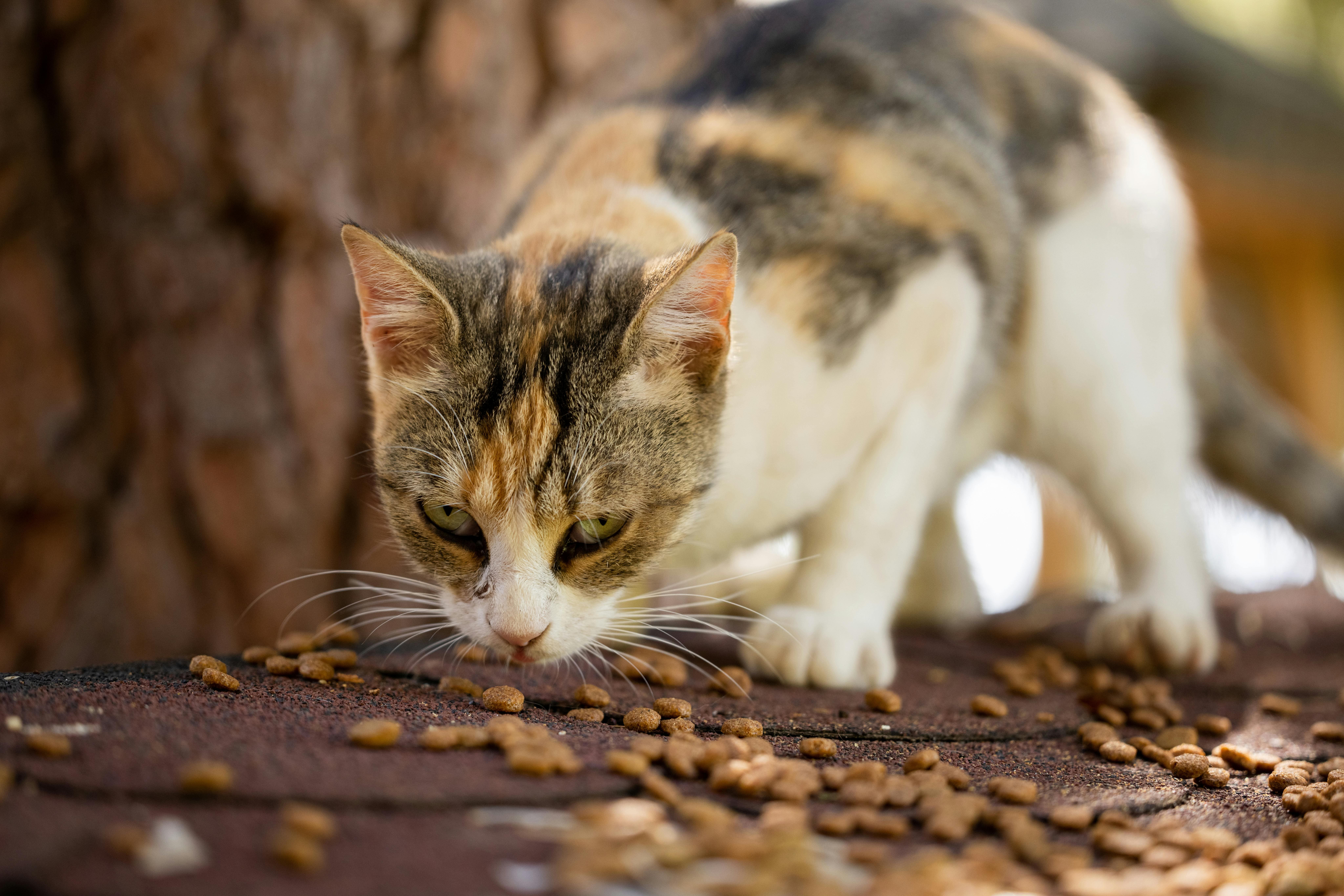
Choosing the right food for your cat is crucial, and the market offers both dry and wet cat foods, which are rich in proteins and nutrients essential for your furry friend. Feeding your cat commercial cat food is generally a sound choice. However, it’s important to consider factors like your cat’s weight, specific health needs, and your budget to ensure your pet’s well-being.
Deciding between dry, wet, or a combination of both food types should be done in consultation with your veterinarian. Let’s dive into the key differences between the two.
Differences Between Dry and Wet Cat Food
The primary distinction between dry and canned (wet) food is their water content. Dry food contains about 10% water, with the remainder being proteins, carbohydrates, fats, and vitamins, while canned food contains about 70%-80% water, earning it the name “wet food.”
Production Process
Wet food, with its higher water content, is made using fresh or frozen meat, supplemented with additional protein from grain additives. The mixture is sealed in cans and heated to eliminate pathogens. Dry food is produced by mixing and cooking meat, vitamins, minerals, and fat at high temperatures, often with added fat to make it more palatable for your cat.
Nutrient Content
Dry cat food tends to have more carbohydrates than wet food, which generally offers more protein and less carbohydrate content. Both types of food vary in their fat and protein levels, and some dry foods may include probiotics beneficial for certain health issues.
Pros and Cons of Wet Food
Wet food’s greatest advantage is its high water content, beneficial for cats with kidney disease, diabetes, or urinary tract issues. It’s quite palatable, so finicky cats may prefer it over dry food. However, wet food is costlier, may cause dental issues if not managed, and requires refrigeration after opening. Leftovers should be covered to prevent drying out and stored in the fridge. Unconsumed wet food can pose a risk of gastrointestinal problems if eaten stale.
Pros and Cons of Dry Food
Dry food is budget-friendly and can be stored long-term without refrigeration. It can be left out for your cat to graze without the risk of spoilage, and it’s suitable for use in automatic feeders or food puzzles. However, its higher carbohydrate content can contribute to obesity in cats, especially if they eat continuously. Cats with dental issues or missing teeth may struggle to eat dry food.
Balancing Both Types of Food
Exclusively feeding one type of food may not be ideal. Striking a balance between the two can maximize their benefits while minimizing drawbacks. Consult your veterinarian to determine the best feeding schedule and food combination for your cat.
Each cat is unique, and their dietary needs are individual. Some owners offer wet food followed by dry, while others alternate wet food in the morning or evening. Your vet can help determine the right food amounts for your cat.
Important Tips
Avoid replacing cat food with homemade human food, although occasional treats are fine. Cats, being obligate carnivores, require a protein-rich diet, which commercial cat foods provide. These foods also contain taurine, an essential amino acid that cats need for full health, which they cannot produce themselves.
Collaborating with your veterinarian on your cat’s diet is invaluable. Consider your cat’s preferences, as they can be quite selective, and you may need to experiment to find the ideal food combination.











Leave a Reply