


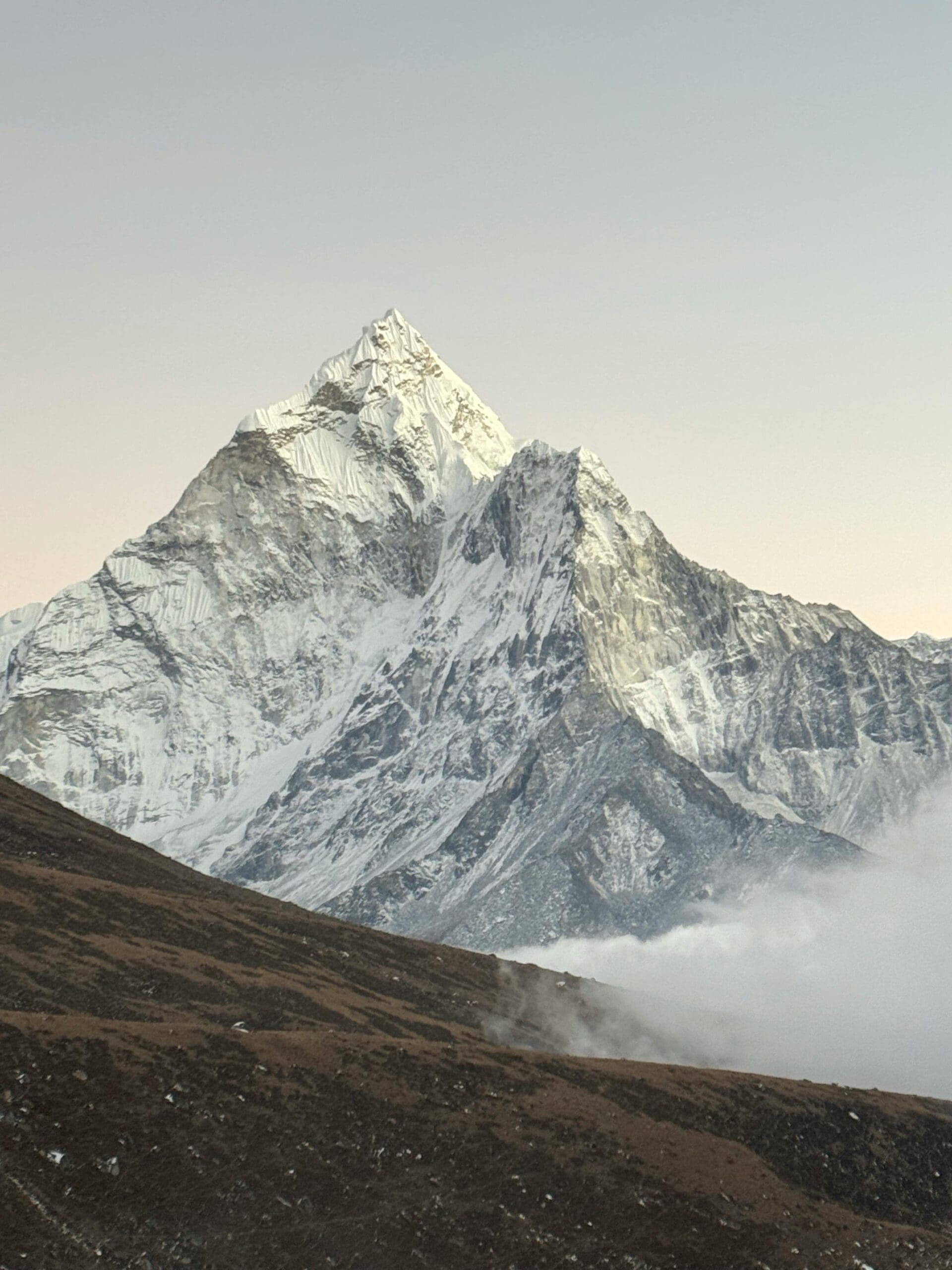
A massive, unstable ice block is obstructing the path to Mount Everest from the Nepalese side, potentially delaying the climbing season on the world’s highest peak.
The 30-meter block is positioned near Camp 1 on the route to the summit. “This is not something you can fix or move. We can only wait and assess the situation,” reported Nepal’s Ministry of Tourism, as quoted by the Kathmandu Post.
For two weeks, “ice doctors” – teams responsible for placing ropes and ladders along the most perilous section of the route – have been unable to navigate around the significant ice block.
It could collapse unexpectedly and trigger an avalanche.
Anyone can now climb Everest: These climbers, however, ascend from 0 to 8849 meters
They begin at sea level and the Bay of Bengal, which is several hundred kilometers from the Himalayas.
The hope is that the ice will naturally melt. This could occur within days. However, preparations for the spring season on Everest are delayed, particularly April and May, which are the most optimal for climbing the highest peak on the planet.
Typically at this time in April, the path is already secured to Camp 3, but currently, teams are halted a few hundred meters below Camp 1.
This raises concerns about the season, which is anticipated to be near record levels.
To date, Nepalese authorities have issued Everest climbing permits to 410 individuals, nearing the record of 479 permits in 2023.
If the route through the infamous Khumbu Icefall, where the troublesome ice block is situated, remains blocked too long, climbers may have to compress their summit attempts into a shorter timeframe. This could lead to traffic congestion at extreme elevations and heightened risks.
The Khumbu Icefall resides about a kilometer above Base Camp at an altitude of 5,300 meters. It’s an enormous labyrinth of ice blocks with deep crevasses, in constant flux. Even under normal conditions, it’s regarded as the most dangerous segment of the Everest route from the Nepalese side.
Everest is crowded, so Nepal is guiding climbers to its untouched mountains
The country has waived permit fees for 97 peaks.
Due to the situation, a meeting took place at the Ministry of Tourism with experts and expedition organizers. It was resolved to dispatch specialists to evaluate the ice block and possibly activate a backup plan, though it remains unclear.
There are suggestions to circumvent the hazardous section, but this solution also entails numerous risks. Some propose waiting to see if the ice will melt or shift, and if not, consider an alternate route. However, such options are very limited.
In 2026, the situation will be complicated by the closure of the alternative route to Everest via Tibet.








Leave a Reply