


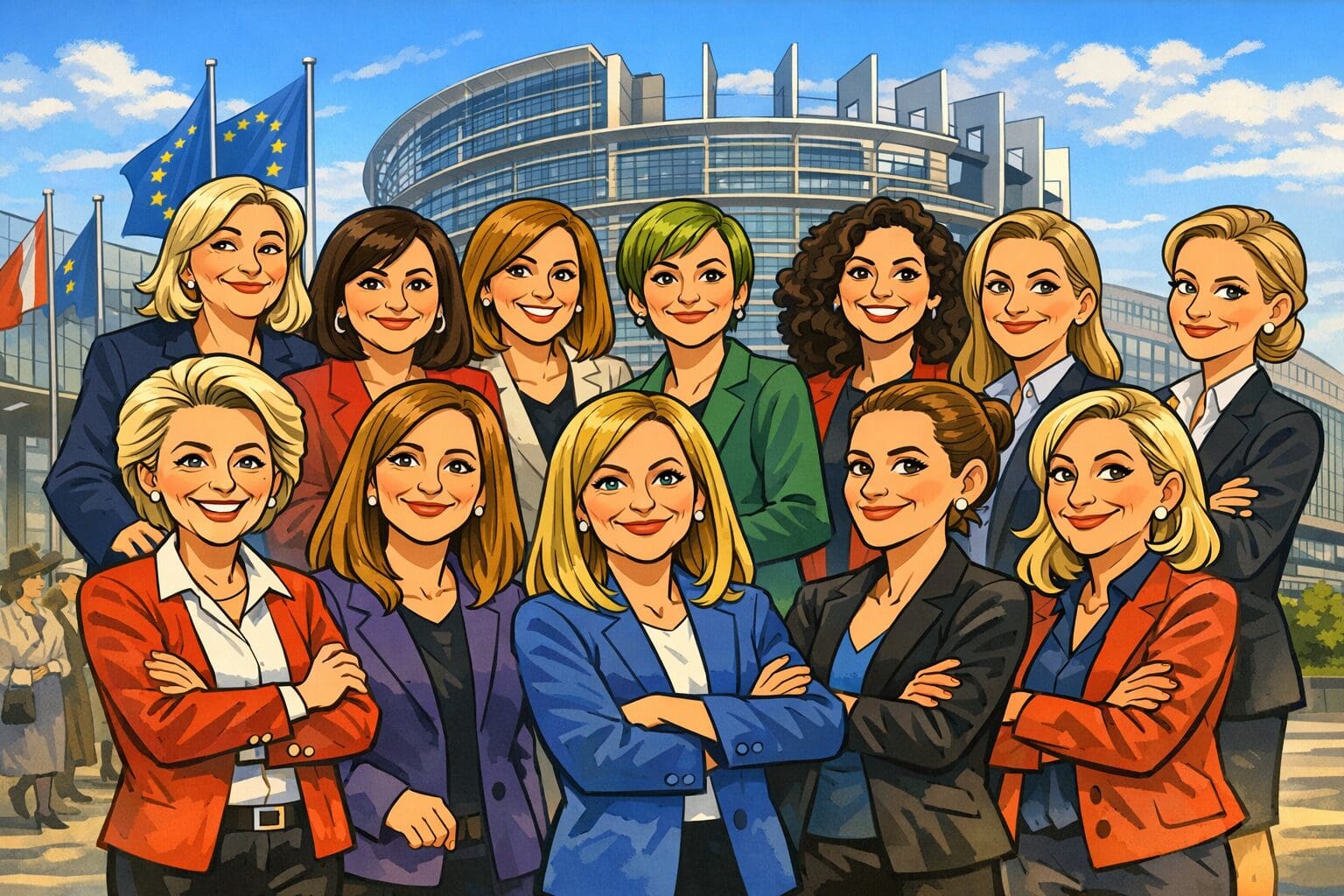
On 8 March 2026, International Women’s Day in Europe highlights both past struggles and current power. Born from labor movements and demands for peace, suffrage, and equality, the day now showcases women leading major institutions, governments, and political groups. However, women remain under-represented in parliaments, targeted with public abuse, and face a political culture that treats their leadership as exceptional.
International Women’s Day has roots in early twentieth-century labor and socialist movements. The UN ties the date to a 1917 women’s strike in Russia and formally recognized it in 1977. In 2026, the theme is “Rights. Justice. Action. For ALL Women and Girls,” reflecting a European mood aware of potential setbacks.
EU statistics show women held 33.6% of national parliament seats in 2025, with Finland, Sweden, and Denmark having the highest shares. A European Parliamentary Research Service briefing notes women are under-represented at all power levels, with the upward trend in representation slowing. In the European Parliament, women’s representation fell from 41% in 2019 to 38.5% in 2024.
March 8 in Europe serves as both memory and measurement, recalling collective struggle and questioning current power. 2026 sees more women in top positions, yet representation below remains insufficient.
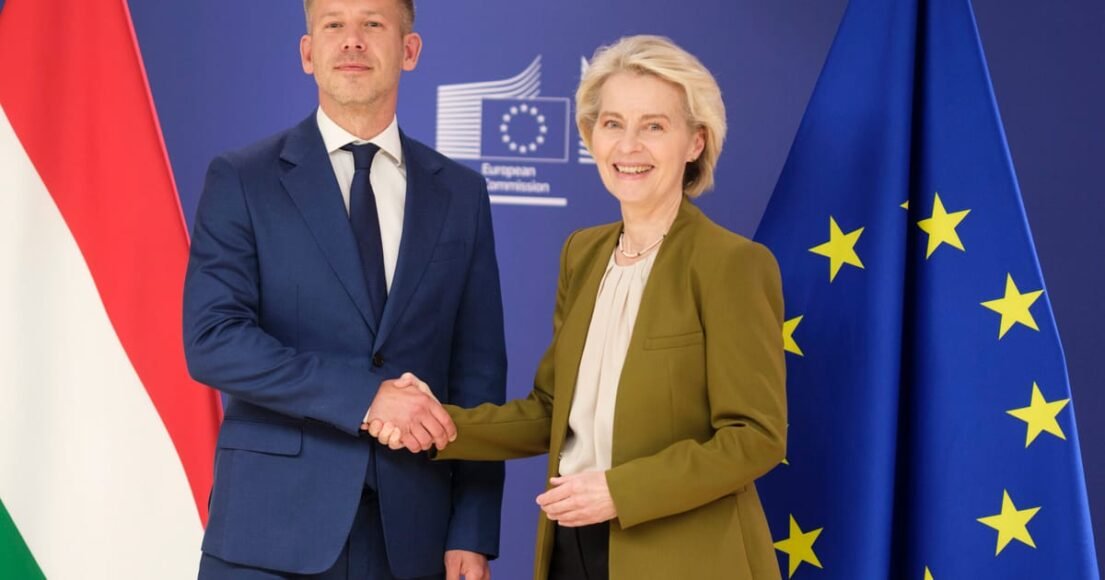
Prominent women in European politics include Ursula von der Leyen, President of the European Commission; Roberta Metsola, President of the European Parliament; and Kaja Kallas, High Representative. Nationally, Giorgia Meloni as Italy’s prime minister and Mette Frederiksen as Denmark’s prime minister highlight female leadership across ideological lines.
Other influential figures include Iratxe García Pérez, Valérie Hayer, Terry Reintke, and Manon Aubry. On the nationalist right, Marine Le Pen and Alice Weidel shape the debate on sovereignty, migration, and identity.
Women in Europe’s political arena are diverse, including federalists, sovereigntists, liberals, conservatives, greens, social democrats, and the nationalist right. This diversity signifies democratic maturation, despite fierce disagreements.
Visibility at the top doesn’t ensure system-wide equality. The European Commission’s Gender Equality Strategy 2026-2030 warns of a 50-year timeline to gender equality. UN Women emphasizes no country has achieved full legal equality for women. Secretary General Alain Berset highlighted online threats deterring women from politics. A European Parliament study links online misogyny and technology-facilitated gender-based violence to broader democratic threats.
On 8 March 2026, International Women’s Day in Europe signifies both history and the present. Women built this day through activism and now hold high offices but still face obstacles. They may not share one worldview but are essential to Europe’s future. March 8 has evolved from questioning women’s entry into politics to debating which women and ideas will shape Europe next.





Leave a Reply