


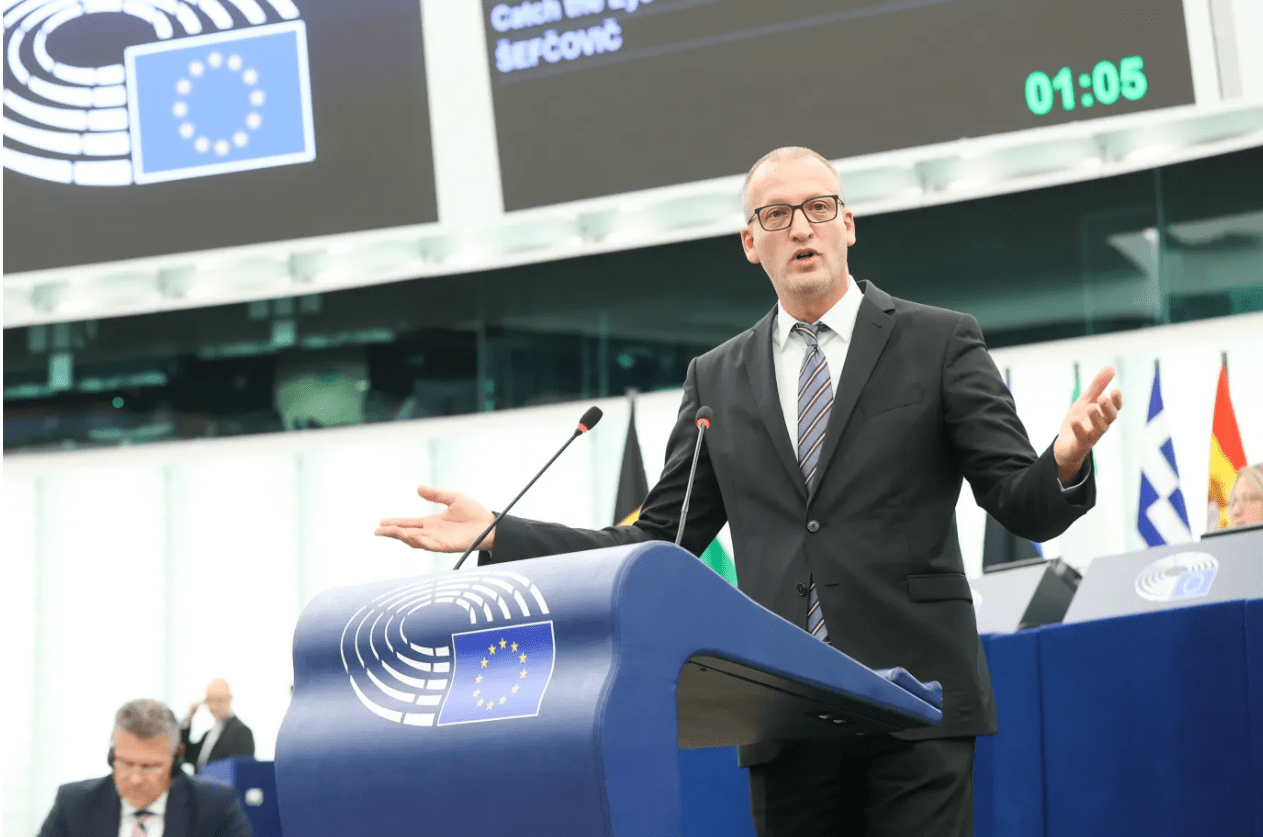
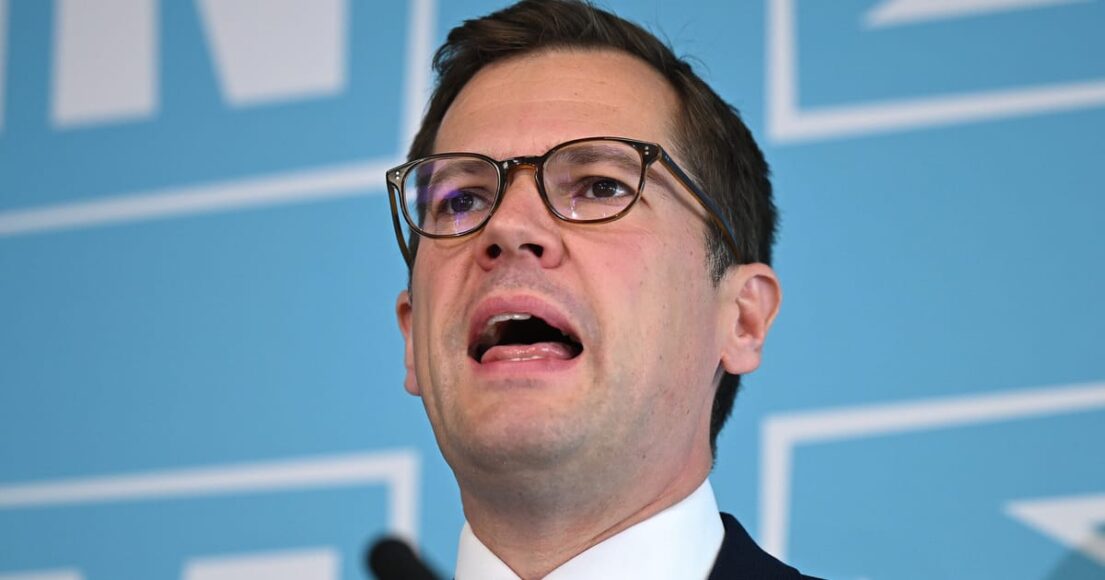
Hungary’s new administration has a unique opportunity to transform religious freedom from a politically managed issue into a true democratic guarantee. On May 12, 2026, Zoltán Tarr, Hungary’s Minister for Social Relations and Culture, promised dialogue with various religious communities and an end to political pressure on them. This raises a key question: will the new government develop a more neutral, transparent, and inclusive church-state policy?
When questioned by Hetek.hu about church affairs decisions, Tarr stated:
“We are not planning decisions on church affairs. It is not the government that decides. The government will engage in dialogue with denominations, not only with churches but with other denominations and religious representatives. The most crucial decision is to eliminate political influence over different religious communities’ lives. This influence currently persists until the government changes, even on a minute-by-minute basis. This will end. Like the press and media, these communities will carry out their daily activities free from political pressure.”
Tarr’s statement is significant because of Hungary’s current position. The country has a chance to reset its relationship with religious communities after years of controversy over church recognition, funding, legal status, data misuse, and political dependency. This opportunity is not only about reassuring historic churches. It should ensure all religious and belief communities—large and small, old and new, popular and unpopular—can operate without political fear.
Tarr’s distinction between “churches,” “denominations,” and “representatives of religions” is crucial. In Hungary, the term “church” has had legal, political, and financial implications for over a decade. It has often represented a recognized institutional category with state cooperation, public legitimacy, and privileged treatment. By differentiating these terms, Tarr appears to extend consultation beyond historically established or politically favored churches. Practically, this suggests that smaller denominations and minority faiths should also be recognized.
This distinction is central to freedom of religion or belief. The right belongs to individuals and communities, regardless of size or tradition. A government engaging only with the largest churches may consult, but not necessarily in a plural, fair, or rights-based manner.
Hungary’s controversial church-law framework is the background. The 2011 Church Law altered religious communities’ legal status, reducing the number of recognized churches to 14 before Parliament expanded it to 31. This change became a sensitive issue in Hungary’s post-communist legal history, affecting access to public cooperation, state benefits, and symbolic standing.
In 2014, the European Court of Human Rights found Hungary violated rights protected by the European Convention on Human Rights concerning deregistration and discretionary re-registration of religious communities under the new church law. In 2024, UN Special Rapporteur on freedom of religion or belief Nazila Ghanea acknowledged the broad enjoyment of freedom of religion or belief in Hungary but called for further reforms.
Tarr’s remarks suggest a potential change in direction. If implemented seriously, Hungary could move from a model of managed religion to one based on autonomy, neutrality, and equal treatment. The administration can consult all affected religious and belief communities, review the recognition system, ensure transparent public grants, and defend religious minorities.
This approach respects established churches but emphasizes a democratic principle: the state should not decide which communities are legitimate. Tarr’s statement suggests a commitment to state neutrality, where governments regulate procedures but do not judge faith or religious legitimacy.
Tarr’s European experience adds weight to his statement. Before his current role, he served as a Member of the European Parliament, where dialogue with religious and non-confessional actors is crucial. This European background matters for open, transparent, regular, and plural dialogue.
The new administration also has a useful European reference from Ján Figeľ, former European Commission Special Envoy for the promotion of freedom of religion or belief outside the EU. Figeľ described religious freedom as a “litmus test of all human rights.” Protecting religious freedom universally is crucial, not allowing political actors to determine legitimacy.
Tarr’s claims create expectations. If political pressure ends, religious communities should not worry about their access to support or recognition. His comparison to the press and media highlights a broader democratic concern: independent institutions and communities need freedom from political pressure.
For the new administration, this opportunity requires open consultation, legal review, and administrative change. They should ensure dialogue with all affected communities, review recognition under state neutrality, make public funding transparent, ensure access to public institutions, and guarantee no penalties for peaceful criticism.
Tarr’s statement is an opportunity, not a guarantee. The administration must turn rhetoric into practice: open consultation, transparent funding, non-discriminatory recognition, and freedom from political pressure. If Hungary seizes this opportunity, it could repair the politicization of religious life. If not, the promise remains a statement. Tarr emphasizes religious communities should not rely on government permission or fear of retaliation. In a democratic society, this should be the rule.







Leave a Reply