



In a warning, Cindy McCain, head of the World Food Programme (WFP), cited a “dangerous and deepening global hunger crisis” due to violent conflicts, extreme weather, and economic downturns. The situation arises as WFP faces significant funding shortages, having received less than half of the $13 billion required to assist 110 million of the world’s most vulnerable people. This shortfall could leave millions without essential aid, jeopardizing lives and regional stability, the agency cautioned. “WFP has shown repeatedly that early, strategic, and innovative solutions can prevent famine, stabilize communities, deter migration, and help families recover,” insisted McCain. Her remarks are set against a backdrop of increasing hunger crises affecting 318 million globally. Additionally, “hundreds of thousands” are already enduring “famine-like” conditions, according to WFP.
Kenya plan highlights a bold vision for refugee self-reliance
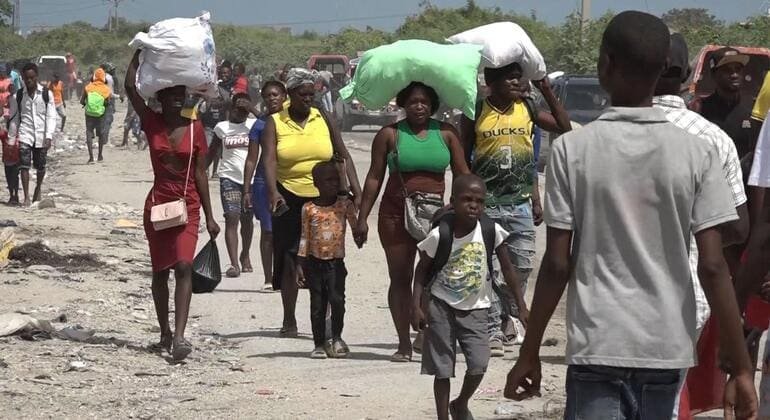
Barham Salih made his first official visit as UN High Commissioner for Refugees, leading UNHCR, and emphasized in Nairobi the need for enhanced global support to develop solutions for refugees to rebuild their lives. Over 800,000 refugees and asylum seekers reside in Kenya. Around 300,000, mainly from South Sudan, Burundi, and the Democratic Republic of Congo, have found refuge in the Kakuma region, described by the UNHCR chief as a place of “transformation and innovation.” He warned that the impact of dwindling humanitarian funding was “stark” in Kakuma. “Despite limited resources, Kenya continues to show remarkable solidarity for people in need through smart policies that foster self-reliance and economic growth,” said Salih.
Lack of funding
Last year, less than a quarter of UNHCR’s Kenya budget was fulfilled, severely limiting access to healthcare, water, education, and protection services for both refugees and host communities. In response, Kenya’s Shirika Plan aims to transition from humanitarian aid to refugee self-reliance and integration with host communities, offering refugees legal IDs, financial services, education, and healthcare. “These inclusive policies hold great promise for transforming the futures of both refugees and the communities hosting them,” said Salih.
Ukraine: 2025 was deadliest for civilians since full-scale conflict erupted
In 2025, more than 2,500 civilians were killed in Ukraine, and nearly 12,250 injured, marking a 31 percent rise compared to 2024, according to UN human rights monitors. These figures are verified, with the actual total likely substantially higher. In December alone, over 150 were killed, and 888 injured. During that period, Russian forces’ long-range attacks using missiles and drones accounted for 33 percent of all civilian casualties (34 killed, 308 injured), impacting cities and towns far from the frontline. About 67 percent of civilian casualties occurred near the frontline (122 killed, 571 injured).
Attacks on energy infrastructure
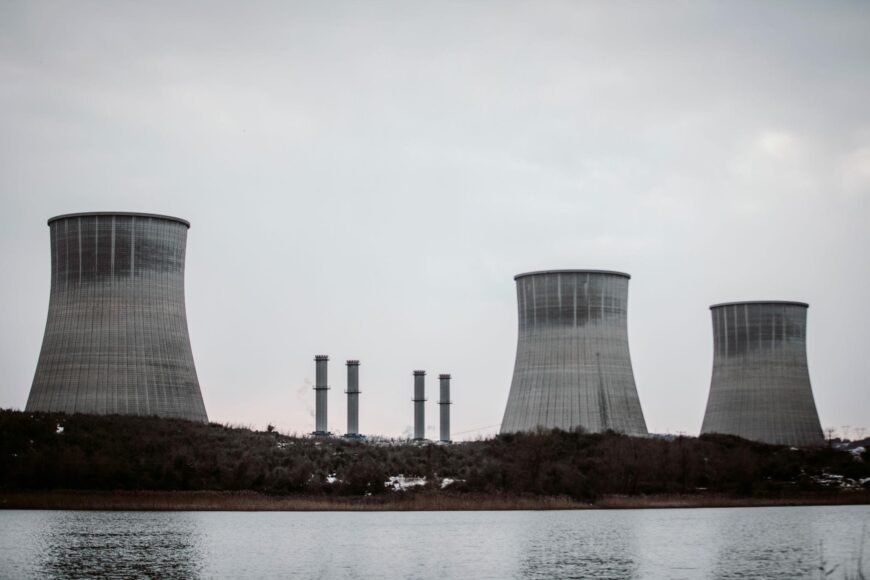
Since the conflict began in 2014, nearly 18,500 civilians have been killed. The UN Human Rights Monitoring Mission (UNHRMM) notes that civilian casualties are likely significantly undercounted in areas like Mariupol (Donetsk region), Lysychansk, Popasna, and Sievierodonetsk (Luhansk region), where intense fighting occurred at the start of the full-scale Russian invasion in February 2022. Alongside civilian casualties, the Russian Federation conducted extensive, region-specific attacks on Ukraine’s energy infrastructure. In December, the Odesa region was among the hardest-hit areas, facing repeated strikes that led to prolonged outages in several cities.








Leave a Reply