


Rewrite this article:
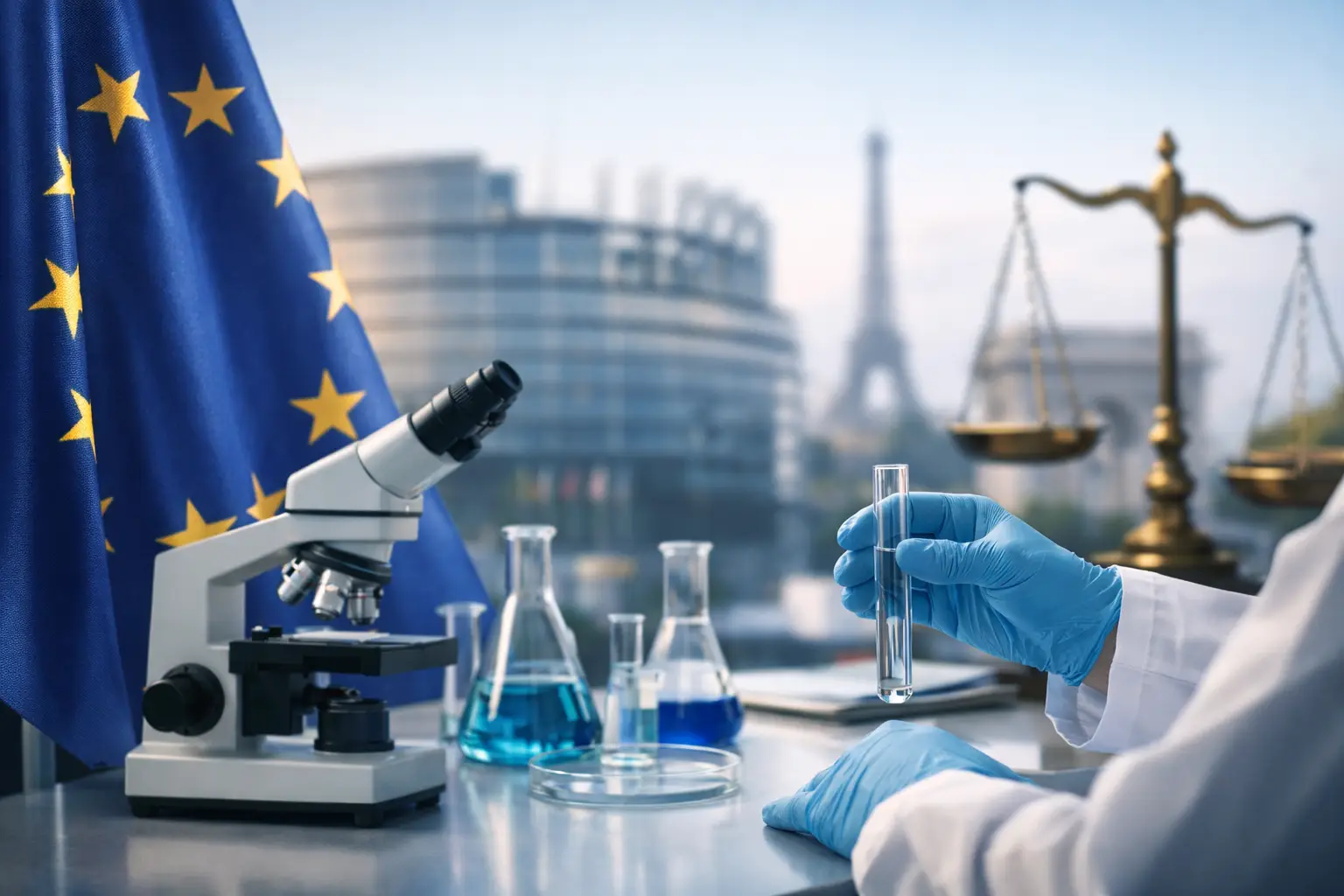
In Europe, science is deeply intertwined with politics. It’s involved in various sectors such as public health, energy security, digital sovereignty, defense research, and more, raising questions about citizens’ trust in institutions acting for the public good. Thus, science policy is crucial for Europe’s self-governance under pressure.
Scientific discussions in Europe have evolved from focusing solely on excellence and prestige to addressing today’s pressing issues. The pandemic highlighted Europe’s research strengths and decision-making flaws, while geopolitical tensions have increased focus on energy and technology. Artificial intelligence has turned academic research into a regulatory issue.
European science now intersects rights, markets, and security. Research funding impacts healthcare access, investment distribution, surveillance development, and political sustainability of green promises. It’s about state capacity and democratic legitimacy, not just labs and grants.
A key tension is the transnational nature of science versus the national control over regulation, education, and budgets. The EU can coordinate and legislate, but practical implementation often depends on member states, leading to resilience and delay.
Europe hosts top universities, research organizations, and produces influential research across various fields. However, there’s no unified research system. Research capacity varies, with wealthier regions having stronger ecosystems and funding.
This disparity creates political gaps, as scientific investment benefits tend to cluster in prosperous areas, perpetuating inequality. Cohesion policies aim to mitigate this divide, but don’t eliminate it. Brain drain is another issue, as researchers often move to better-resourced areas, impacting local innovation.
Discussing science in Europe means addressing funding levels and design. Competitive grants foster excellence but may favor institutions with existing resources. Public research systems need stable funding beyond election cycles or industrial trends.
View science not merely as an economic tool; although applied research is essential, neglecting basic research undermines future capacity. Autonomy is crucial, as universities need both funding and intellectual independence. Politically-driven research restrictions weaken state credibility.
Trust is vital. Institutions must communicate transparently, correcting errors and maintaining accountability. During Covid, poor communication sowed distrust. This extends to all areas requiring public acceptance of scientific evidence in decision-making.
Security concerns are increasingly shaping European research policy. Critical technologies need protection, but overly securitizing science could hinder collaboration and innovation. Europe must balance safeguarding and openness to retain scientific success.
In climate science, health, and AI, Europe’s ability to turn scientific capacity into public action is key. Climate policies must account for social equity, health systems should navigate innovation access, and early AI regulation must balance rights and competitiveness.
Europe’s science stands not for prestige but for serving public interest amidst demographic, environmental, and political challenges. It’s about defending basic research, academic freedom, public-interest science, and equitable opportunity distribution. Accountability enhances trust and credibility in scientific research, essential for Europe’s democratic society.
Ultimately, debates on science are about shaping a Europe where knowledge is a public good, not a slogan subject to political convenience. Readers should engage now, before the next crisis hits.








Leave a Reply