


The response was prompted by a gathering of senior EU leaders on Friday to strategize on addressing Chinese overcapacity.
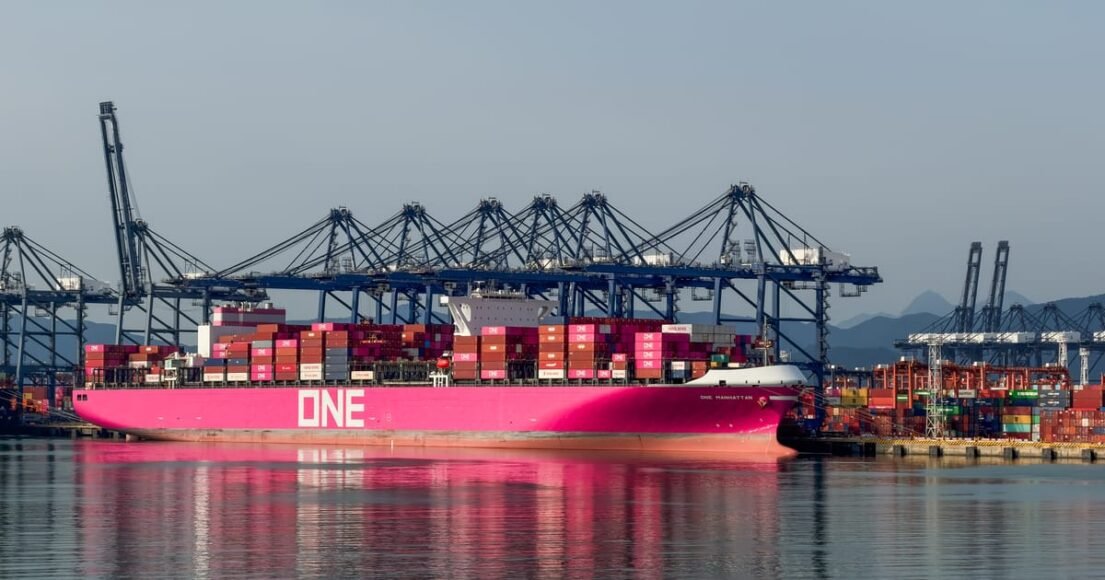
European Commission President Ursula von der Leyen held an orientation debate with her 26 commissioners to consider policy measures to rectify the EU’s worsening trade imbalance with China. An influx of Chinese products, including vehicles, solar panels, and clothing, is negatively affecting European industries, resulting in factory shutdowns and job losses.
“The present condition of the trade and investment ties is unsustainable,” stated an EU Commission statement post-debate. “As economic and security interests increasingly overlap, a stronger and more unified response is necessary for both aspects.”
The EU’s goods trade deficit with China expanded to €360 billion last year from €312 billion in 2024. It increased even more significantly in the first quarter of 2026, according to trade data.
While France and other member countries have advocated for more robust measures to safeguard European industry, Germany has historically cautioned against actions that might prompt a counter-response from Beijing.
However, in a notable shift, Berlin indicated on Friday a greater readiness for the EU to adopt stricter measures against the surge of Chinese imports, marking a departure from its typically cautious approach.
“I believe there is still an opportunity for a constructive dialogue with China, but Europe cannot remain vulnerable to a predatory strategy that is dismantling our industry. New tools, measures, and political resolve are required,” EU Commissioner for industrial strategy Stéphane Séjourné stated to POLITICO on Friday.






Leave a Reply