


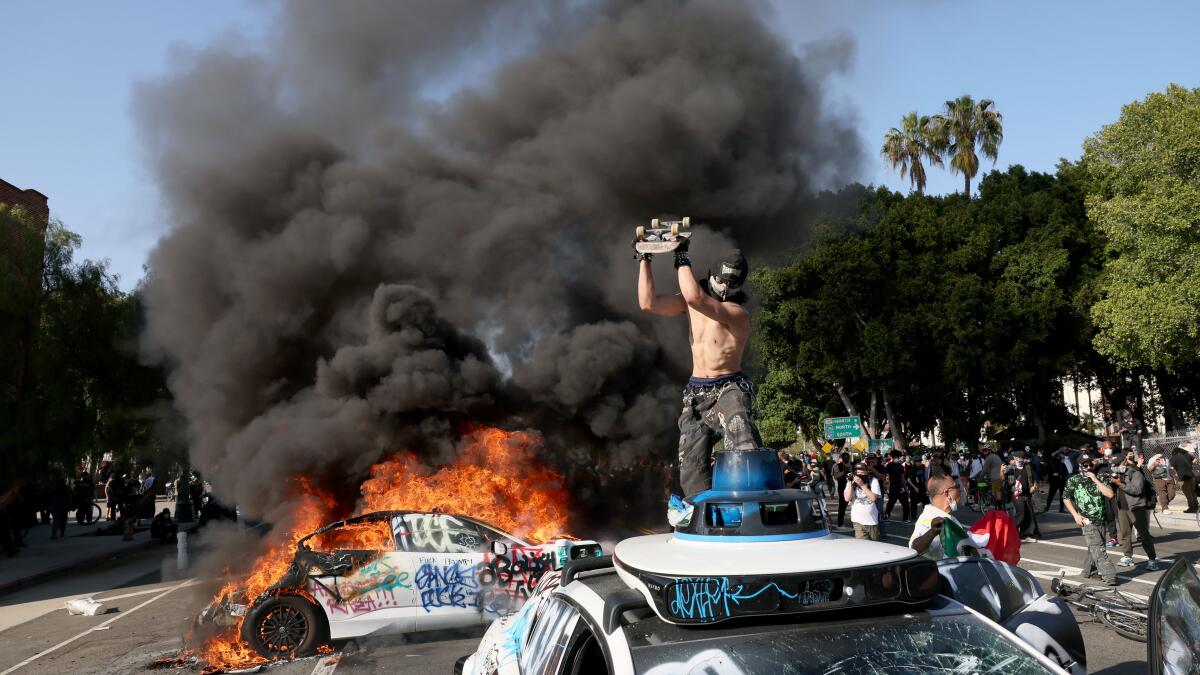
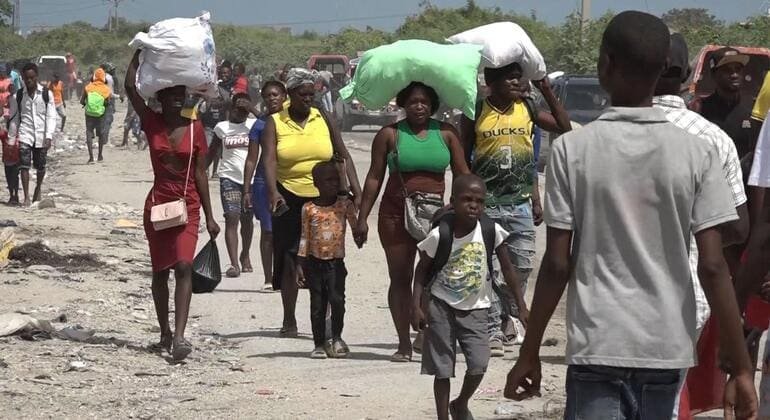
Belgium, January 2026 — According to Eurotoday Newspaper, European cities are facing a renewed wave of civil unrest violence as public anger spills onto the streets, exposing deep political, social, and economic tensions. The developments, unfolding across multiple urban centres, have drawn close attention from security officials, policymakers, and economic observers throughout Europe. At its core, the situation reflects a growing breakdown in public trust, with civil unrest violence emerging as a defining feature of the current social climate.
The unrest arrives at a moment of heightened uncertainty. Rising living costs, political polarization, and unresolved policy disputes have created conditions in which frustration has steadily intensified. European officials monitoring the situation describe the atmosphere as volatile but not spontaneous, noting that the current civil unrest violence has been shaped by months of accumulating pressure rather than a single triggering event.
A Carefully Escalating Crisis in Urban Centres
The current wave of unrest did not emerge in isolation. Over recent months, demonstrations across major cities have grown in size and intensity, gradually shifting from peaceful gatherings into confrontational encounters. Protest organisers initially emphasized dialogue and reform, but repeated clashes with authorities hardened attitudes on both sides.
According to Eurotoday Newspaper analysis, the escalation into civil unrest violence reflects a strategic breakdown rather than an accidental one. As grievances went unanswered, street mobilisation became the primary outlet for public expression, increasing the risk of confrontation in densely populated urban areas.
Structural Grievances Driving Public Anger
Underlying the unrest are long-standing concerns about economic inequality, governance, and social justice. Rising prices, housing shortages, and perceived political disconnect have contributed to a sense of exclusion among large segments of the population.
Analysts note that civil unrest violence tends to surface when institutional channels fail to absorb public dissatisfaction. In this case, repeated policy announcements without visible relief deepened frustration, creating fertile ground for escalation once demonstrations began.
Security Responses and Mounting Pressure
Authorities across affected cities have deployed additional security forces to protect public buildings, transport hubs, and commercial districts. Crowd control measures, including barriers and emergency restrictions, were introduced as clashes intensified.
Security experts caution that while such measures may restore short-term order, they also risk reinforcing resentment if not accompanied by political engagement. In several locations, the presence of heavily equipped units became a focal point of confrontation, further entrenching civil unrest violence rather than containing it.
Voices From the Streets
During one of the most tense confrontations, a protester addressed journalists with a statement that quickly spread across social and broadcast media.
“Blood has been shed, people are very angry.”
The remark has since come to symbolise the emotional intensity behind the demonstrations. Observers say it reflects how civil unrest violence is being driven not only by material grievances but by a profound sense of betrayal and exhaustion.
Economic Disruption and Business Impact
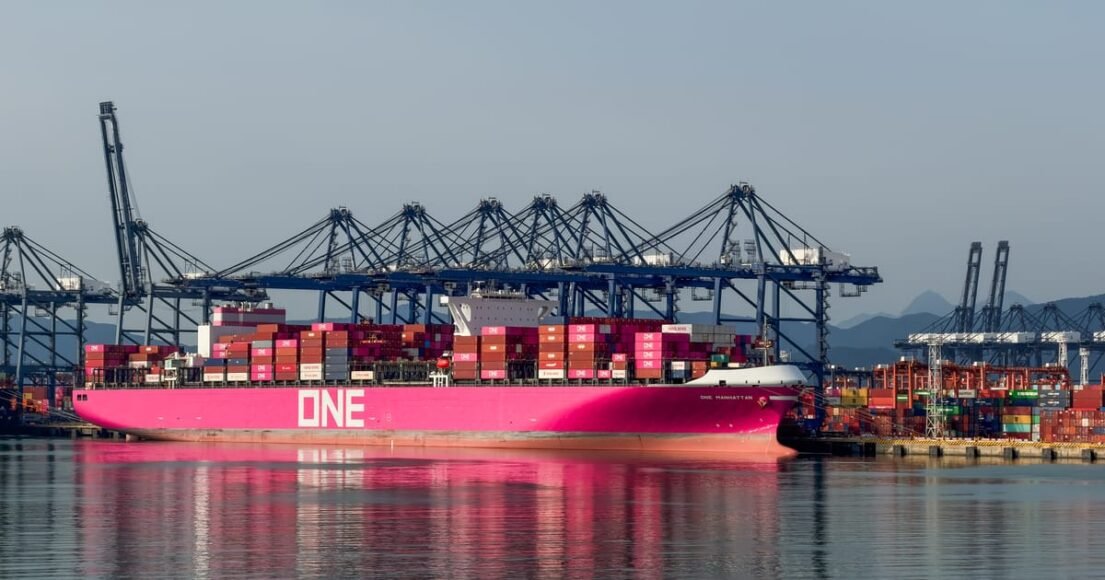
The unrest has significantly disrupted economic activity in affected cities. Retail districts have closed early, public transport services have been suspended, and tourism has declined as





Leave a Reply