


Vatican City, Rome January, 2026 — Eurotoday Newspaper highlights that the Pope Leo Vatican meeting has become a focal point of international attention, reflecting the Holy See’s expanding engagement with political dialogue, humanitarian concerns, and moral diplomacy at a time of global uncertainty. As 2026 unfolds, the Vatican is once again asserting its unique role as a platform for dialogue beyond traditional state diplomacy, offering a space where ethical considerations intersect with global politics.
The meeting underscores how the Vatican continues to influence international discourse despite lacking conventional political power.
Background to the Vatican Engagement
The Pope Leo Vatican meeting took place against a backdrop of prolonged political crises, regional instability, and growing concern over democratic governance and humanitarian conditions in several parts of the world. The Vatican has historically positioned itself as a neutral venue for dialogue, particularly when official diplomatic channels face limitations.
This engagement follows a long tradition of quiet diplomacy aimed at easing tensions, promoting reconciliation, and maintaining communication where political polarization has eroded trust.
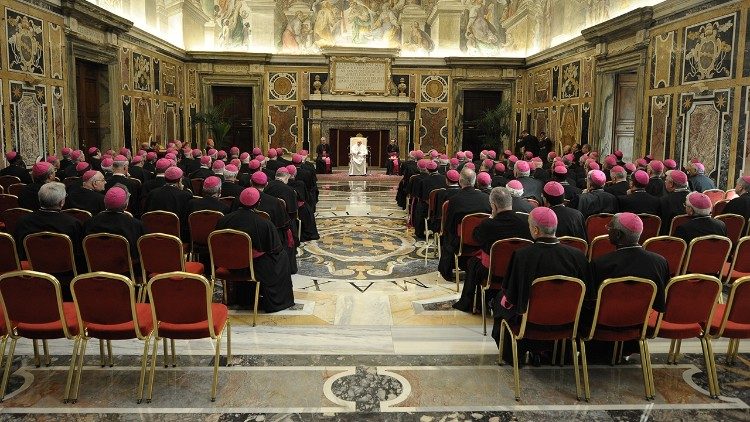
Pope Leo’s Diplomatic Philosophy
Since assuming the papacy, Pope Leo has emphasized dialogue, restraint, and moral responsibility in international affairs. The Pope Leo Vatican meeting reflects this philosophy, focusing on listening and ethical reflection rather than political alignment or policy negotiation.
Vatican officials note that such engagements are designed to encourage peaceful solutions without endorsing specific political outcomes, reinforcing the Church’s role as a moral rather than political authority.
Why the Vatican Remains a Neutral Forum
The Pope Leo Vatican meeting highlights why the Holy See continues to serve as a trusted diplomatic venue. Unlike nation-states, the Vatican operates independently of military or economic leverage, relying instead on moral credibility and historical continuity.
This neutrality allows it to host discussions involving actors who may not otherwise share the same negotiating table, preserving channels of communication in times of division.
Symbolism and International Interpretation
Symbolism played a central role in how the Pope Leo Vatican meeting was perceived globally. Analysts emphasized that Vatican diplomacy often signals moral concern rather than political intervention, shaping narratives rather than policies.
Such symbolism can influence international opinion, reminding global audiences that unresolved political conflicts carry ethical and humanitarian consequences.




Leave a Reply