


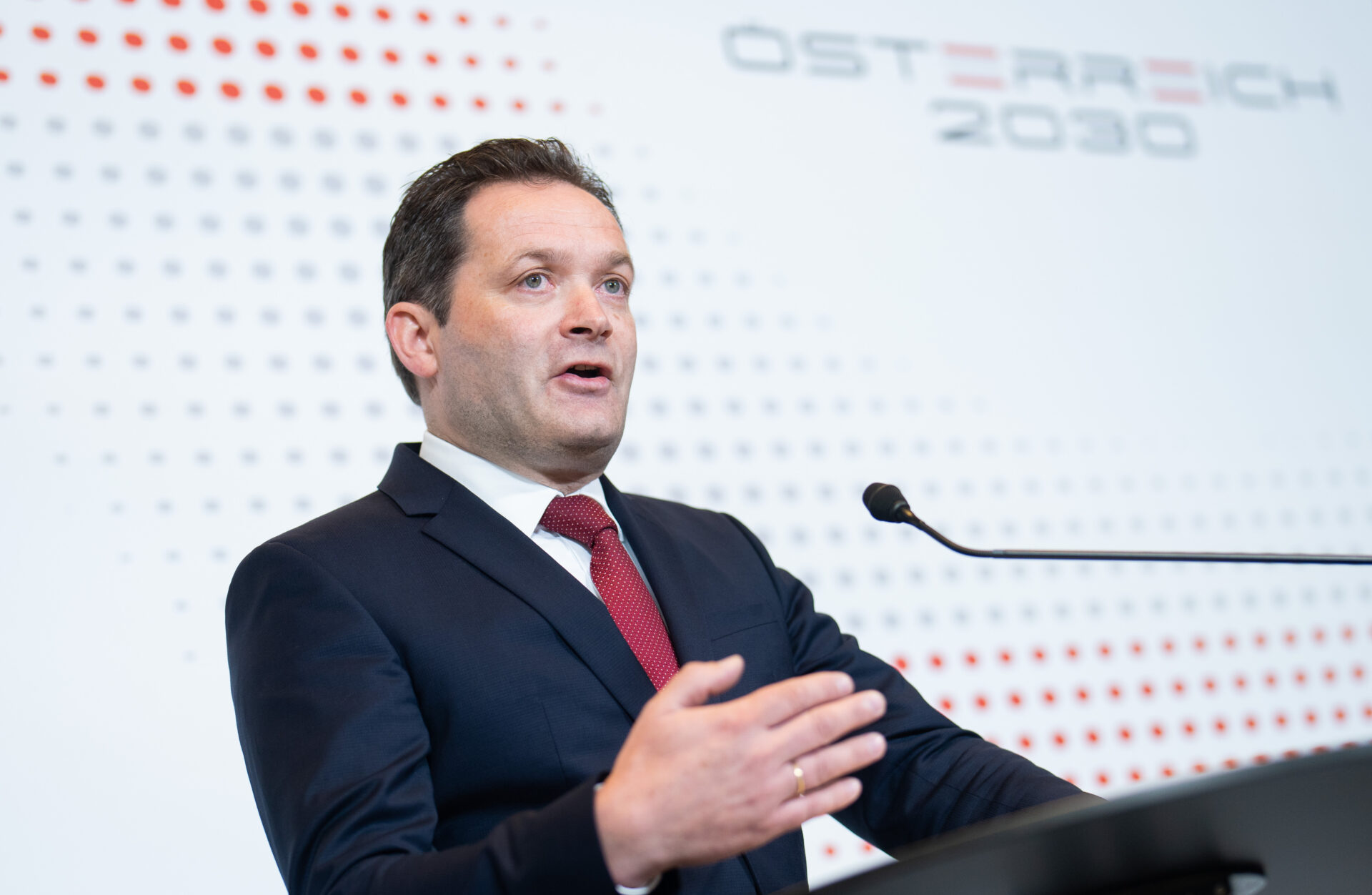
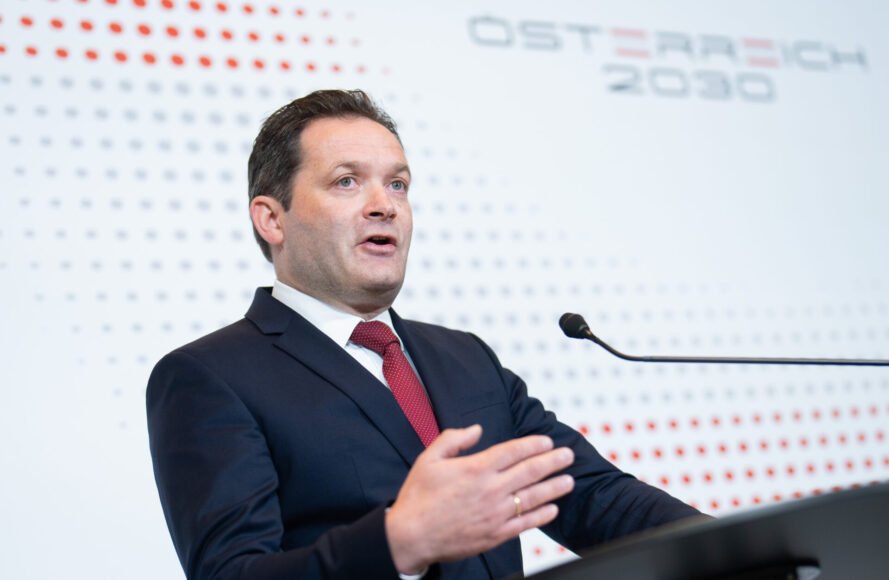
Brussels (APA) – During the EU agriculture ministers meeting on Monday in Brussels, Austria will endorse a French proposal for EU-wide food origin labeling. “I am very pleased that France has prioritized this important issue,” stated Austria’s Minister Norbert Totschnig (ÖVP) prior to the session. The initiative aims to broaden origin labeling to cover a significantly larger range of foods, particularly processed items.
Austrian farmers, both male and female, produce high-quality products that meet the highest standards. “We also recognize the consumers’ demand for greater transparency,” the agriculture minister highlighted. He emphasized the necessity for “uniform regulations for food origin labeling across the EU,” especially in light of free trade agreements. He urged the EU Commission to fulfill its long-standing promise of implementing Europe-wide origin labeling.
Importance of Enhanced Labeling for Mercosur
“We require straightforward, practical, and feasible regulations in this domain,” the minister countered concerns that this would lead to increased bureaucracy, especially for small catering businesses. Products are sourced globally, and it is crucial for consumers to know their origins, Totschnig asserted. He particularly noted the importance of reinforcing regional value chains and sensitive sectors, like sugar, regarding the upcoming Mercosur agreement, as stated in a ministry release.
In response to the European Parliament’s request for a review of the EU-Mercosur agreement by the European Court of Justice, Totschnig, who opposes the agreement, mentioned the possibility for provisional application of agreements under EU law and expressed his expectation that the Commission would continue its current approach as outlined by EU regulations.
Call to Exempt Fertilizers from CO2 Cost Mechanism
A key concern for the minister at the Council meeting pertains to fertilizers: “Austrian and European arable farmers are facing low producer prices while production costs continue to rise. Fertilizers represent the largest cost factor, and farming families require affordable fertilizers to achieve economically viable harvests,” Totschnig remarked.
The demand in Europe surpasses production levels, necessitating imports from other countries. Notably, important exporters to the EU have faced punitive tariffs due to conflict, specifically from Russia and Belarus. Totschnig is advocating for a temporary suspension of the Carbon Border Adjustment Mechanism (CBAM) for fertilizers, a point previously raised by the EU Commission. This mechanism aims to ensure comparable CO2 pricing for EU-produced and imported goods, which would make exported fertilizers more expensive.
Additionally, he called for a temporary halt to most-favored-nation tariffs and specific anti-dumping duties on fertilizers, emphasizing the need to maintain the competitiveness of domestic production.
Finance Ministry Opposes the Initiative
The Finance Ministry has rejected the agriculture minister’s proposal to exclude fertilizers from the CO2 cost mechanism. The ministry asserted that the European CBAM is a vital tool for enhancing the international competitiveness of Austrian and European companies. “If the EU Commission agrees to the exemptions for fertilizers and this is voted on in ECOFIN, Austria would oppose it,” stated the Finance Ministry.
The Chemical Industry Association of Austria (FCIO) warned that removing CBAM without compensation in emissions trading (ETS) could significantly undermine European fertilizer production. They cautioned against increased dependence on imports, particularly from Russia and Belarus.
Criticism from FPÖ and Greens
Totschnig’s call for a suspension of CBAM for fertilizers has garnered mixed responses. Austrian Freedom Party MEP Roman Haider commended the demand but argued it is insufficient, labeling the European Green Deal and EU emissions trading as “misguided policy” and advocating for their repeal. Meanwhile, Austrian Green agriculture spokesperson Olga Voglauer criticized the focus of the proposal, advocating for reduced dependence on fertilizer imports in the current geopolitical climate and calling for increased subsidies for organic farming. (26.01.2026)






Leave a Reply