


Iran, January 2026 — Eurotoday Newspaper Highlights that Iran sanctions relief has become the central fault line in one of the world’s most protracted diplomatic stand-offs. As negotiations involving Iran, Western governments, and regional stakeholders remain stalled, sanctions policy now defines the limits of engagement, compromise, and escalation. For Tehran, economic normalization is presented as a prerequisite for any meaningful diplomatic breakthrough. For its counterparts, sanctions remain both leverage and liability in a geopolitical environment marked by fatigue and mistrust.
In 2026, the question is no longer whether sanctions influence Iranian behavior, but whether their continued use without adjustment can realistically produce durable outcomes. This debate has elevated Iran sanctions relief from a policy instrument to a defining issue in global diplomacy.
Historical roots of the sanctions regime
International sanctions on Iran did not emerge overnight. They evolved through decades of geopolitical tension, beginning with early trade restrictions and expanding into a comprehensive framework targeting banking, energy, shipping, and technology sectors. Over time, sanctions became deeply embedded in international policy toward Iran, shaping not only economic activity but also diplomatic norms.
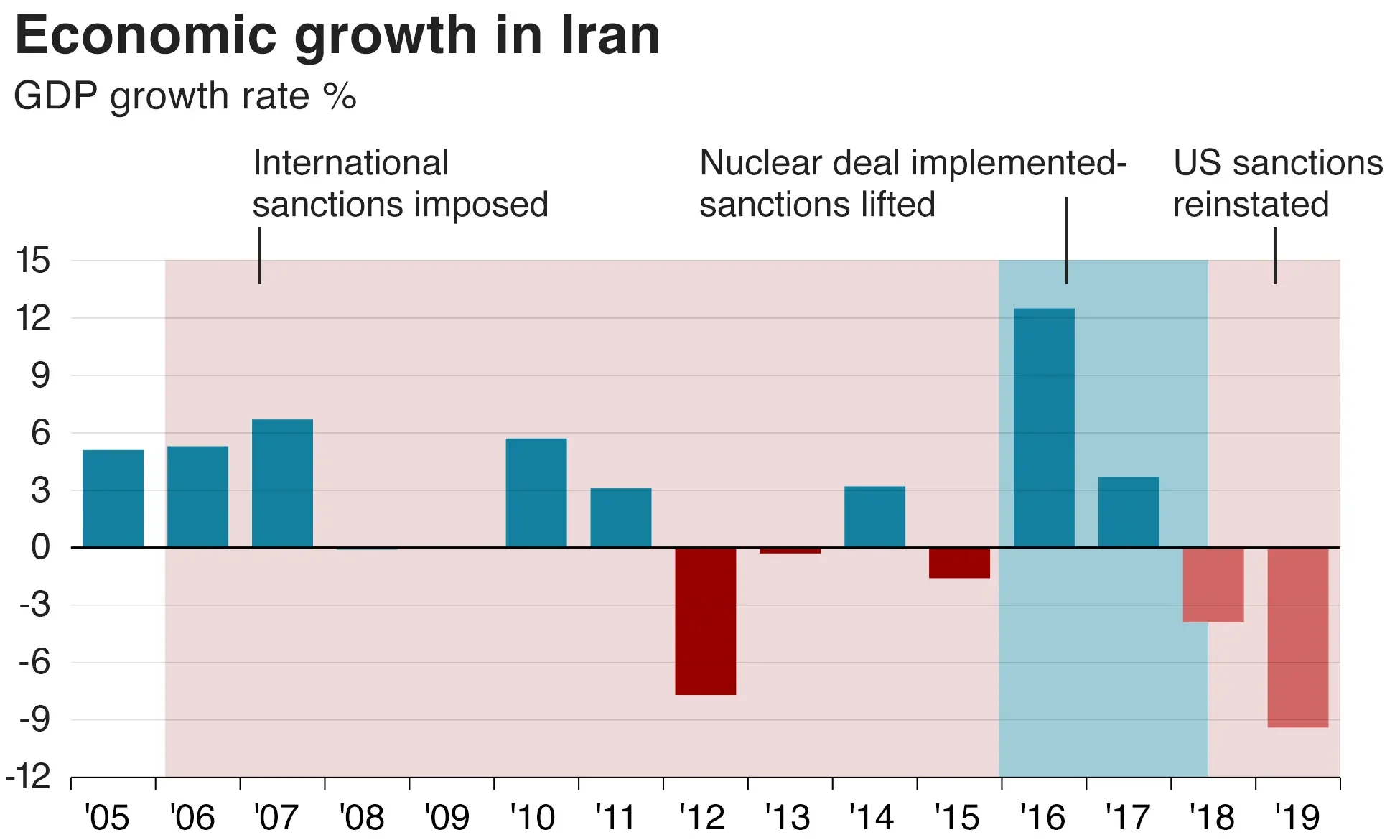
By the early 2010s, sanctions reached unprecedented scope, cutting Iran off from major financial systems and severely limiting oil exports. While these measures were intended to compel compliance on nuclear transparency, their long-term consequences reshaped Iranian society and governance. The debate over Iran sanctions relief today cannot be separated from this historical context, where pressure and negotiation have repeatedly cycled without definitive resolution.
Economic consequences inside Iran
The cumulative impact of sanctions on Iran’s economy has been profound. Currency volatility, high inflation, and constrained access to foreign investment have altered daily life for ordinary citizens. Industries dependent on international trade have struggled to modernize, while state revenues tied to energy exports have fluctuated sharply.
Iranian officials argue that Iran sanctions relief is essential to stabilize economic planning and restore investor confidence. Economists inside and outside the country note that while Iran has developed alternative trade mechanisms, these channels are costly, opaque, and insufficient to support long-term growth. The persistence of sanctions has also accelerated brain drain and reduced opportunities for younger generations.
Social pressures and public sentiment
Economic strain has translated into social pressure. Rising costs of living, housing shortages, and employment challenges have fueled public dissatisfaction. Although sanctions are not the sole cause of these issues, they have become a powerful symbol of external constraint in domestic discourse.
Public opinion surveys and anecdotal evidence suggest that many Iranians view Iran sanctions relief as a pathway to economic dignity rather than a political concession. This sentiment shapes the government’s negotiating posture, narrowing the space for agreements that do not deliver tangible improvements in daily life.
Nuclear negotiations and diplomatic paralysis
At the heart of international engagement with Iran lies the nuclear file. Talks aimed at limiting enrichment and expanding monitoring have repeatedly stalled over sequencing disputes. Iranian negotiators insist that Iran sanctions relief must accompany or precede technical commitments, citing past experiences where compliance did not shield the economy from renewed restrictions.
Western diplomats, meanwhile, emphasize verification and confidence building before easing pressure. This mutual skepticism has produced diplomatic








Leave a Reply