


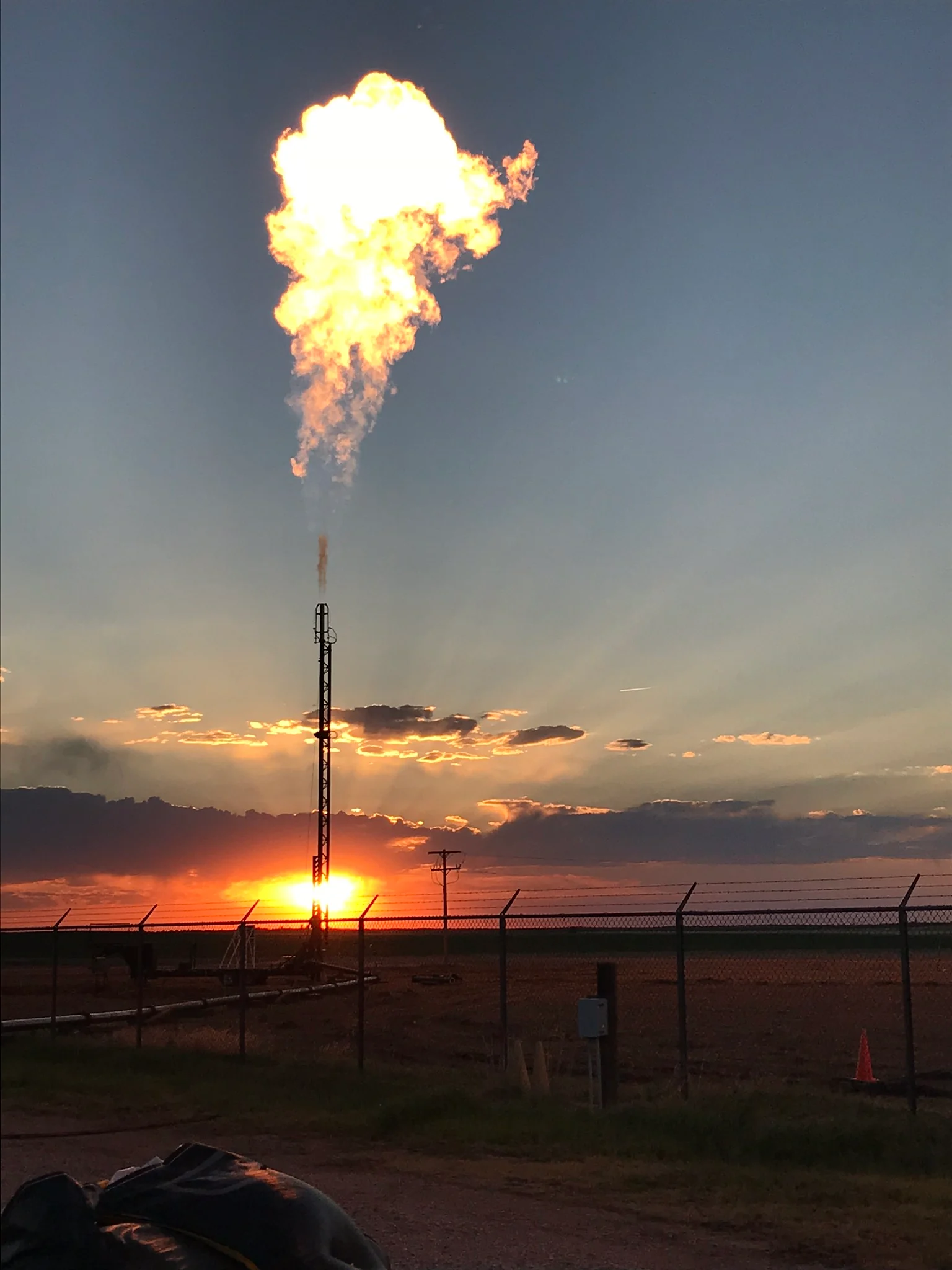
United States, January 2026 — Eurotoday Newspaper reports that a major oil pipeline fire has intensified national concern over energy stability after emergency crews extinguished the blaze following hours of hazardous firefighting operations. The incident forced the shutdown of a critical section of the pipeline network and immediately raised questions about infrastructure resilience, security preparedness, and continuity in fuel distribution systems. As officials assessed the damage, attention turned to the growing risk of fuel supply disruption across regional and national markets.
The fire erupted near a key junction of the pipeline system responsible for transporting refined petroleum products across several states. Thick smoke rose into the sky and was visible from miles away, prompting emergency alerts and precautionary advisories for nearby residents. While authorities confirmed that no casualties were reported, the scale of the incident and the strategic importance of the infrastructure involved made it one of the most closely monitored energy events of the year.
A Sudden Incident With Far-Reaching Consequences
According to early accounts from emergency services, the fire began with a loud explosion shortly before dawn, catching nearby workers and residents by surprise. Pipeline operators acted swiftly to halt fuel flow and isolate the affected section while emergency responders rushed to the scene.
The rapid escalation of flames highlighted the inherent risks associated with high-pressure energy transport systems. Within hours, authorities acknowledged that prolonged shutdowns could trigger fuel supply disruption if repairs were delayed, exposing how interconnected and vulnerable modern energy networks have become.
Firefighters Confront Extreme and Dangerous Conditions
Fire crews faced intense heat, hazardous fumes, and the constant risk of secondary explosions as they worked to bring the blaze under control. Specialized firefighting foam was deployed to suppress petroleum-fed flames, while cooling operations continued long after visible fire subsided to prevent reignition.
Hazardous materials teams monitored air quality and runoff throughout the operation. Officials praised the coordination between local firefighters, federal agencies, and pipeline operators, noting that swift action prevented the incident from escalating further. Experts cautioned, however, that even a successfully contained fire can have lasting consequences when fuel transport is interrupted.
Investigation Focuses on Possible Sabotage
Once the immediate emergency was contained, investigators shifted their focus to determining the cause of the fire. Preliminary findings suggested that the incident may not have resulted solely from mechanical failure. Signs of forced access near monitoring equipment and unusual damage patterns raised the possibility of deliberate interference.
If sabotage is confirmed, the implications would extend beyond criminal accountability. Intentional attacks on energy infrastructure significantly increase the risk of fuel supply disruption and compel governments and operators to reassess security strategies. Investigators are reviewing surveillance footage, maintenance logs, and recent threat assessments as part of an ongoing inquiry.
The Strategic Importance of Pipeline Networks
Pipelines remain the backbone of modern fuel distribution, transporting vast quantities of gasoline, diesel, and aviation fuel across long distances efficiently and cost-effectively. The damaged pipeline in this incident serves as a critical artery supplying multiple states, industrial hubs, and transportation centers.
Energy analysts warn that disruptions to such systems can quickly cascade through the economy. When pipelines shut down,










Leave a Reply