


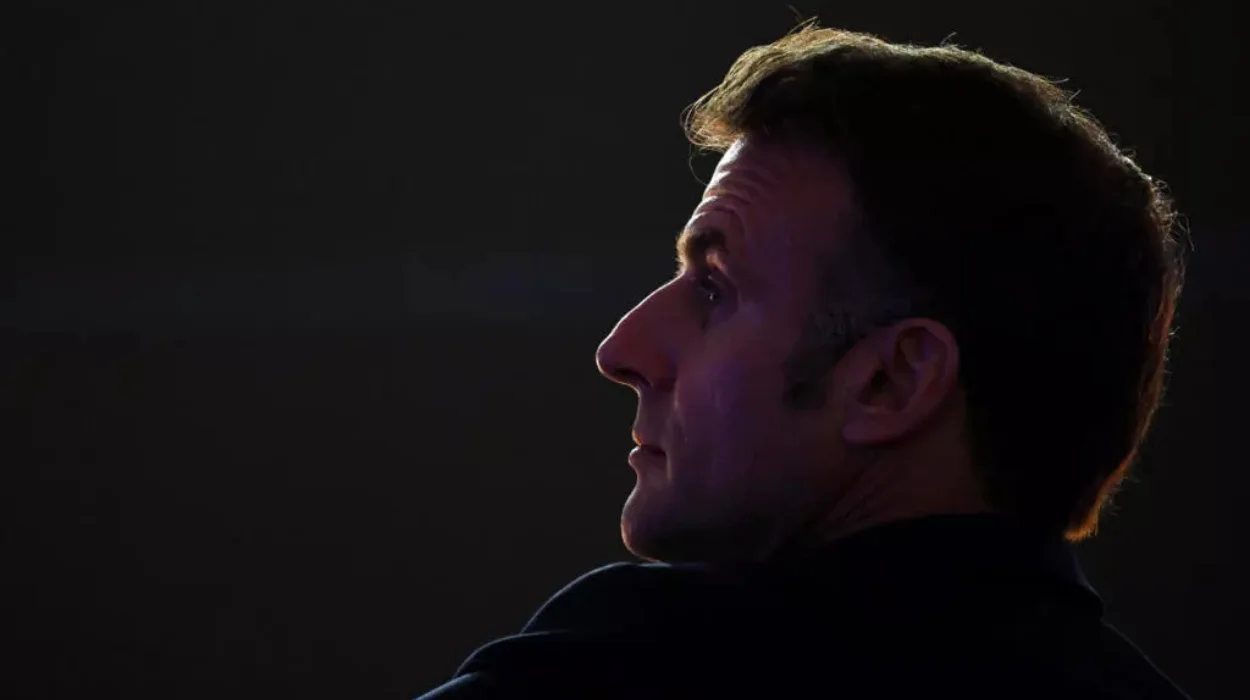
You have given me a democratic mandate of five years, and I’ll carry it out fully until its term.
said French President Macron in a televised speech to the French people, while firmly dismissing any notion of stepping down as president and pledging to serve out his term until 2027 despite France’s latest political upheaval. In a decisive response to the collapse of his government, he announced plans to appoint a new prime minister within days. The no-confidence vote on December 4 brought down Prime Minister Michel Barnier’s fragile right-wing coalition after just three months, plunging France into a historic crisis. Macron, now facing the gravest challenge of his presidency, accused opposition leaders of fostering cynicism, shirking responsibility, and perpetuating a sense of chaos. At the moment, France teeters on the edge of political disarray as it faces the twin threats of a widening public deficit and the possibility of entering 2025 without an approved budget. While the French constitution provides mechanisms to avoid the kind of government shutdowns seen in the U.S., stability remains elusive. Emmanuel Macron now faces the unenviable task of appointing his fourth prime minister this year—someone capable of navigating a fractured parliament with no clear majority.
The aftermath of Macron’s impulsive snap election in June has left the French legislature a patchwork of competing alliances. A leftist coalition garnered the most votes but fell short of control; Macron’s centrist faction suffered bruising losses, and Marine Le Pen’s far-right National Rally gained ground, only to be outflanked by strategic voting from centrists and the left. For Macron, forging governance out of this fractured landscape will require ingenuity—and no small measure of luck. The December 4 no-confidence vote marked a historic moment, the first successful one since 1962, bringing down Michel Barnier’s government after a mere three months—the shortest tenure in the Fifth Republic’s history. Barnier, Macron’s choice after a summer of political gridlock, faced an uphill battle to pass a 2025 budget aimed at addressing France’s deficit through €60 billion in tax hikes and spending cuts. His use of Article 49.3 to push through a social security financing bill without parliamentary approval proved to be his undoing, igniting a no-confidence vote and plunging France deeper into political uncertainty—a crisis Macron must urgently resolve.
Barnier’s short-lived tenure as France’s prime minister was marked by an uneasy “understanding” with Marine Le Pen, whose party, though not part of the government, wielded outsized influence over his minority coalition. In a bid to avoid her party joining a no-confidence vote, Barnier tailored his controversial budget to accommodate her demands. Yet, Le Pen ultimately abandoned him, branding his fiscal proposals – a mix of €60 billion in tax hikes and €40 billion in spending cuts—as harmful to the nation. The budget, aimed at reducing France’s deficit, which stands at 6.1% of GDP, sought alignment with EU rules requiring deficits below 3%. Barnier’s attempt to impose fiscal discipline, however, became his undoing, triggering a political firestorm that toppled his government and deepened France’s crisis. For Le Pen, the gamble carries political risks. Initially projected as a frontrunner in July’s elections, she had pursued a strategy of “respectabilisation,” attempting to soften her party’s far-right image ahead of her 2027 presidential bid. Her party’s role in ousting Barnier threatens to derail that effort, forcing her into damage control. That is why Le Pen has struck a contrite tone, claiming her party acted reluctantly, only to avert a greater crisis. While she insists the no-confidence vote was a necessary stand, the fallout leaves her balancing a delicate line: maintaining her populist appeal while proving she can govern responsibly.
France’s political labyrinth has left President Emmanuel Macron confronting four possible sc
Comments
Last News
Bologna Seeks Answers After Fakir’s Death
Greece Disrupts EU’s Russia Sanctions Strategy
Ireland, currently holding the rotating Presidency of the Council of the EU, proposed on Wednesday that European gas tankers be allowed to export Russian liquefied natural gas (LNG) to third countries until January 2029. The proposal, which was reviewed by POLITI
France Records 5,764 Excess Deaths During June-July Heatwaves
Paris, July 22 Eurotoday Newspaper — France excess deaths reached 5,764 during the June and July heatwaves, according to a report released by Santé publique France. The health agency said prolonged periods of extreme heat led to thousands of additional deaths above normal seasonal levels, underlining the continued public health risks posed by increasingly intense summer temperatures.
Heatwave
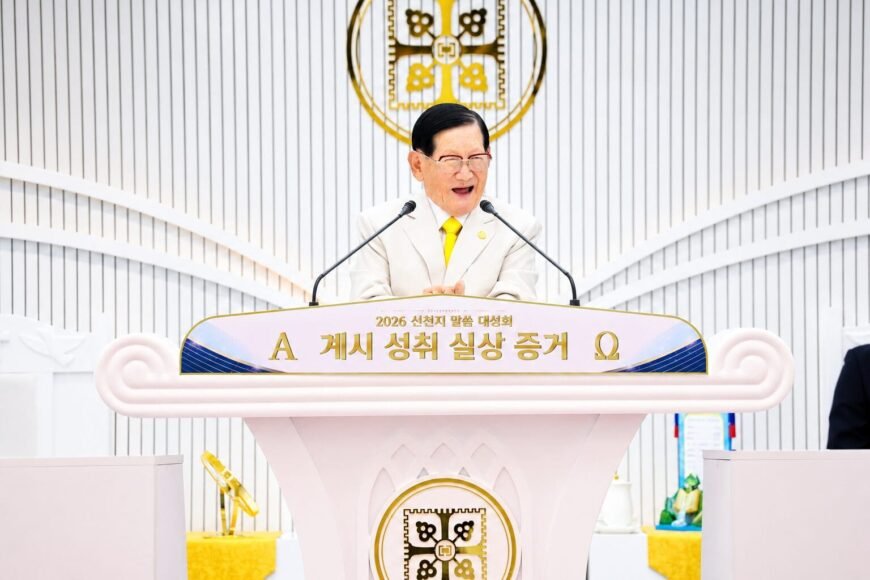
A Plea for the Release of 95-Year-Old Chairman Lee from Pretrial Detention in South Korea
For a month, Chairman Lee (Lee Man Hee, born in 1931), the founder and spiritual head of the Shincheonji Church, has been in pretrial detention since his arrest on June 24, 2026, making him possibly the oldest prisoner in the world, despite not being found guilty of any crime.
This
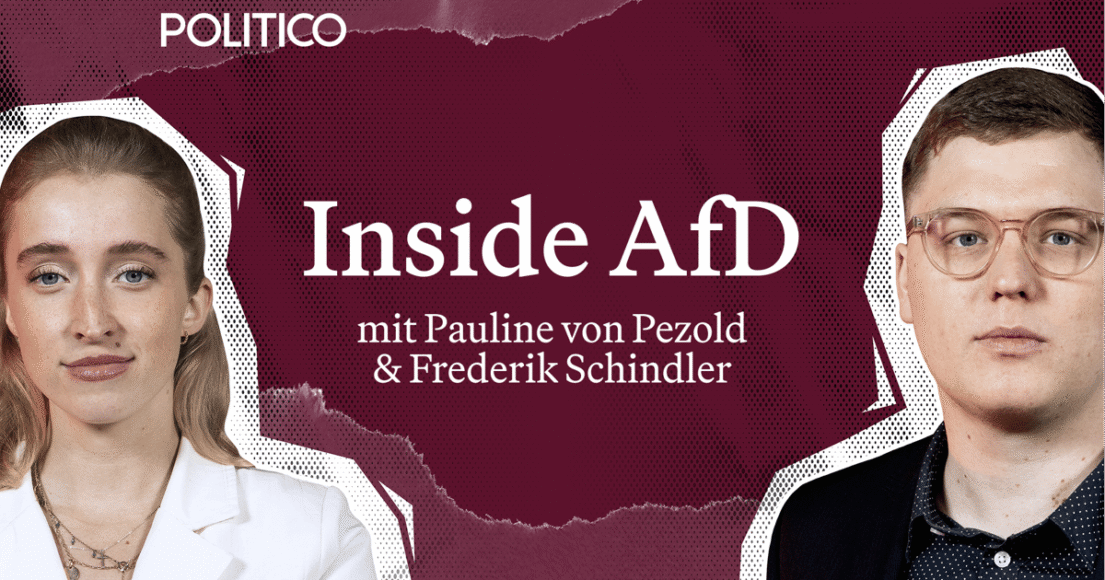
Offener Widerstand gegen Alice Weidel
Z
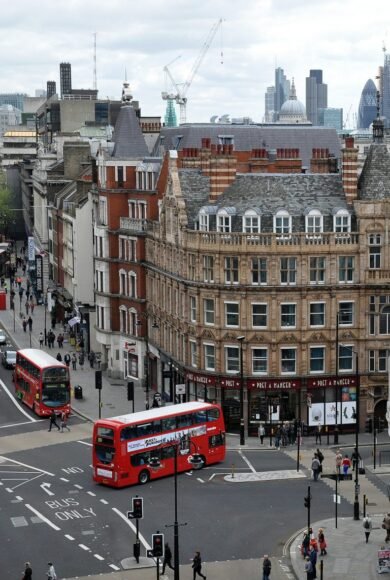
Britain’s Leadership Crisis: A Symptom, Not the Disease
The question of whether Andy Burnham would make a better prime minister than Keir Starmer misses the point entirely. Britain’s political crisis runs far deeper than personalities, campaign skills or messaging strate

Zelenskyy Appoints New Head of Ukraine’s Army
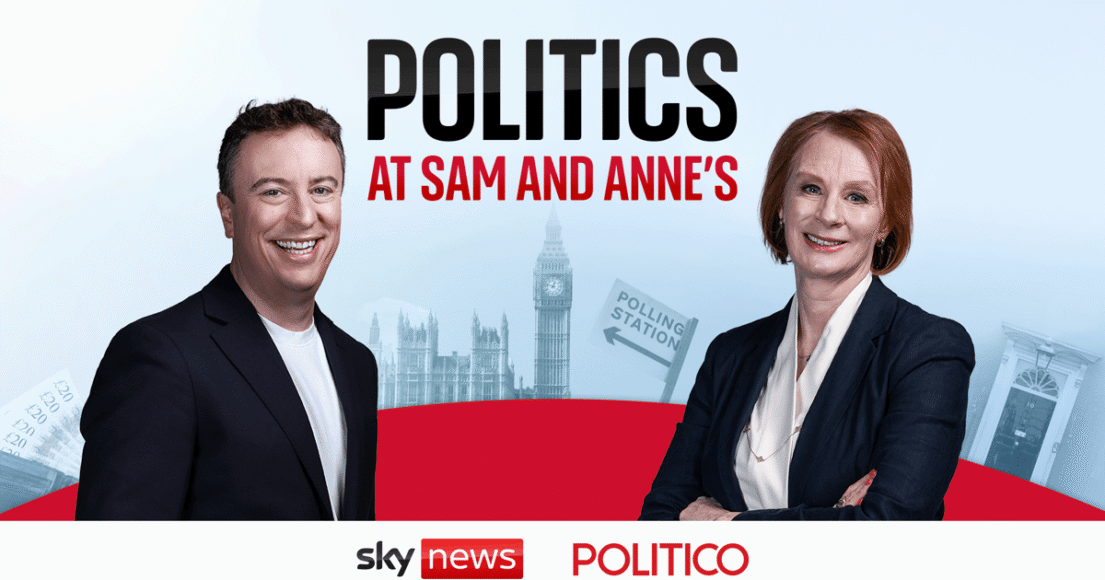
Is Everyone Aboard the Burnham Bus?
They analyze the funding mechanism for the bus fare plan. Chancellor John Healey claims it won’t burden British taxpayers, but details raise funding concerns.
At the Farnborough Air Show, there’s a chance to discuss defe
EU Pledge to Ukraine: "Our Support is Unwavering"
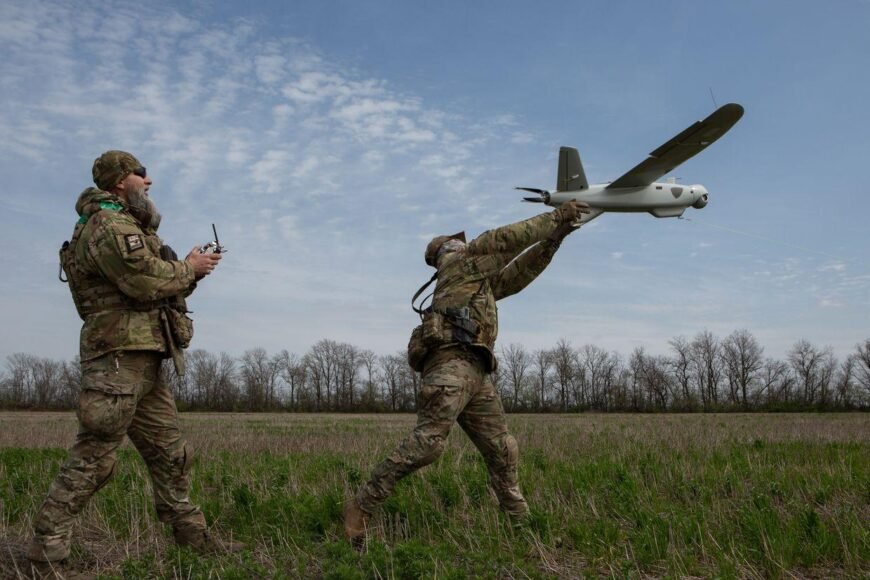
Modern wars are won “not only by military strength but by drones and cutting-edge technologies.”
So says Andrius Kubilius, Commissioner for Defence and Space who was speaking after the European Commission and Ukraine signed a major new defence industrial partnership.
The EU says the move marks a “major step forward” in the integration of the European and Ukrainian defence industries.
The Commiss
Value of the 2026 World Cup Trophy
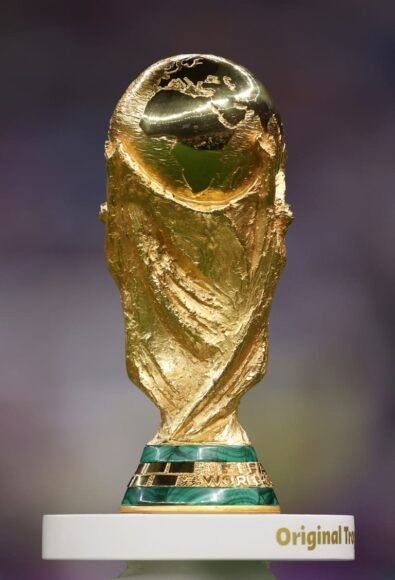
Officially, the World Cup trophy is crafted from pure gold. It stands 36.5 cm tall and weighs 6
Leave a Reply