


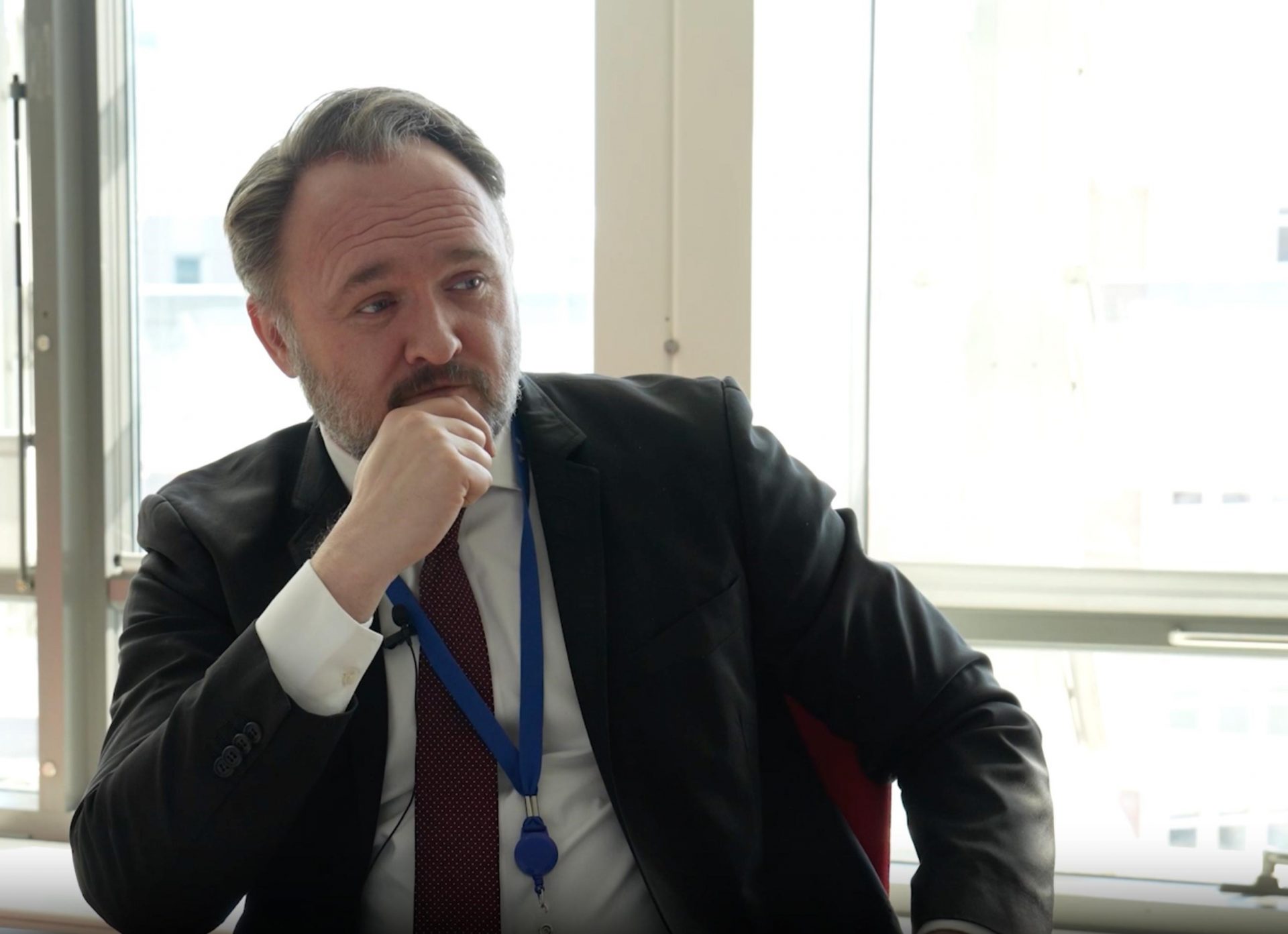
Brussels – The European Commission (EC) and the Slovak government have differing assessments regarding the consequences of the cessation of Russian gas transit through Ukraine. However, both parties are collaborating to find solutions to the ongoing situation. This was articulated by European Commissioner for Energy and Housing, Dan Jorgensen, during a special interview with the European Newsroom (ENR), which includes TASR, on Tuesday, March 18.
In his remarks, Jorgensen outlined the EC’s current initiatives focused on advancing energy development within Europe, addressing various inquiries, including those from TASR, about the gas transit through Ukraine and the status of negotiations involving the European Commission, Slovakia, and Ukraine.
The commissioner confirmed that he has engaged in discussions with Slovak representatives, including Prime Minister Robert Fico (Smer-SD), multiple times over the past three months. Most recently, he met with Economy Minister Denisa Saková (Hlas-SD) during the EU Energy Council meeting on March 17.
He highlighted that a high-level working group, comprising the European Commission, Slovakia, and Ukraine, has convened four times to date, along with several technical and bilateral meetings, all aimed at alleviating the adverse effects of the halted gas transit through Ukraine, which he noted is particularly impactful for Slovakia.
“It is always our goal to assist member states that are facing challenges, especially regarding rising energy prices. It is our responsibility to explore solutions to these issues,” Jorgensen stated.
He also mentioned discussions with the Azerbaijani government about the potential for increasing gas supplies through Ukrainian pipelines and ongoing negotiations with other regional countries.
After meetings in Brussels with Jorgensen in January and February, Fico indicated that Ukraine’s decision to suspend Russian gas transit affects not only Slovakia but the entire EU, resulting in “billions of euros” in losses.
“The figures we have at the EC do not exactly align with those provided by the Slovak government. We are examining these figures within our working group to ensure a unified perspective and baseline on the issue,” the commissioner explained.
He reiterated that he had constructive discussions with Ukrainian Energy Minister Herman Halushchenko, emphasizing that all parties are committed to finding solutions.
Jorgensen also dismissed speculation about an imminent working visit to Slovakia, though he expressed confidence that such a visit will ultimately occur, given the collaborative efforts with the Slovak side thus far. “When the opportunity arises, the visit will take place,” he noted. (March 19)
“It is always our goal to assist member states that are facing challenges, especially regarding rising energy prices. It is our responsibility to explore solutions to these issues.” Dan Jorgensen.




Leave a Reply