


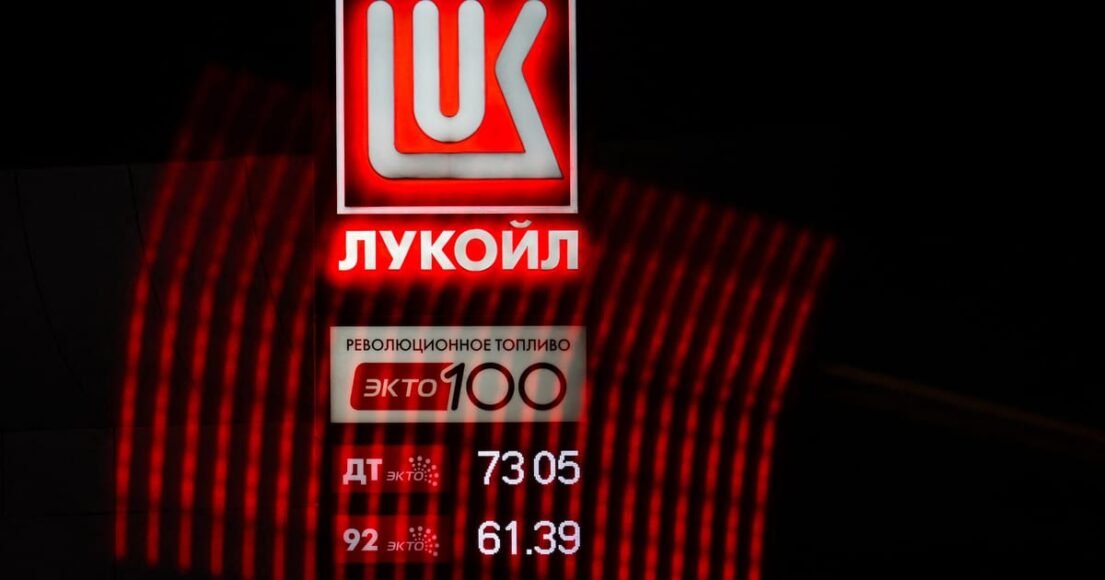
The export ban was imposed after several days of Ukrainian strikes on Russia’s energy infrastructure.
The timing is challenging for Europe. Diesel markets have been tight since March due to disruptions in the Strait of Hormuz amid the conflict in Iran. Russia is the world’s second-largest diesel exporter, and though the EU no longer directly imports Russian diesel due to sanctions, a reduction in Russian exports is set to impact global markets by increasing competition for fuel from other sources. This could maintain pressure on fuel costs for diesel-dependent industries in Europe.
President Volodymyr Zelenskyy stated on Wednesday that Ukrainian forces targeted oil facilities in the Saratov region and Tatarstan as part of a “fully justified” retaliation for Russia’s attacks on Ukraine. “Russians must feel that their state is waging this war,” Zelenskyy wrote on X.
On Tuesday, Gazprom announced it was repairing damage to the Krasnodarskaya compressor station on the Blue Stream pipeline to Turkey following a drone strike. A day earlier, Ukraine targeted Russia’s largest refinery in Omsk, more than 2,500 kilometers from the front line.
Novak had already warned on Tuesday that Russia’s fuel market was under pressure from peak summer demand and unplanned refinery outages, urging regional authorities and energy companies to prevent supply disruptions.
The restrictions will remain in effect until July 31.








Leave a Reply