


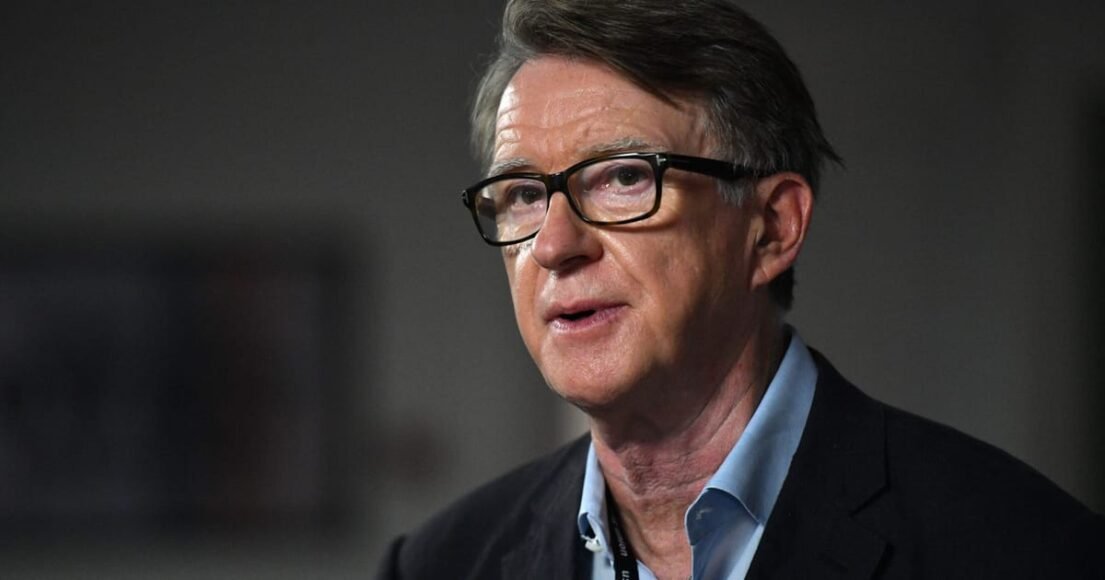
Burnham advocated for “change” following the release of documents about former Labour peer Mandelson’s appointment as the U.K. ambassador to the U.S. He stated, “People have lost faith in a Westminster system which puts private vested interests above the wider public interest and concentrates too much power in too few hands.”
Currently, only a small portion of Britain’s lobbying firms must disclose their clients to the Office for the Registrar of Consultant Lobbyists (ORCL), and this is only when they directly contact government ministers or senior civil servants.
The EIC proposed replacing the existing system with a new “activity-based” lobbying register, requiring in-house public affairs professionals, charities, and think tanks to report any lobbying activity.
An analysis by Transparency International UK of the current regime, which began in 2014, showed that only about 4 percent of lobbying activity at Westminster is recorded. The ethics body called for a major expansion of registration requirements to restore public trust after several notable lobbying scandals.
Departing Prime Minister Keir Starmer ordered the review after documents from the Mandelson scandal raised concerns about the ties between senior Westminster figures and corporate interests.
The watchdog suggested new reporting rules for those lobbying a broader group of civil servants and government officials. It also recommended including special advisers, the “gatekeepers” to ministers, who hold significant influence, within the rules’ scope.










Leave a Reply