



Amid rising global tensions and a growing sense of international instability, the risk of nuclear war is no longer a distant speculation but a real possibility that countries must take seriously. As the prospect of World War III looms with the involvement of nuclear powers, a compelling question arises: What would happen to Mexico in the event of a nuclear conflict? Positioned strategically and maintaining a policy of neutrality, Mexico may have some degree of insulation from the worst of such a catastrophe—but it wouldn’t be immune.
Mexico’s potential safety in the face of nuclear warfare could hinge on several factors, including its geographic location, political nonalignment, and close economic ties with the United States.
Nuclear Warfare Devastation
A nuclear war would leave behind devastation far beyond the immediate targets. Aside from the destruction caused by the blasts themselves, long-term radioactive contamination would severely damage ecosystems and the global climate. The atomic bombings during World War II in Hiroshima and Nagasaki were stark reminders of the horrors such weapons can unleash. Now, with nuclear arsenals in the hands of several major countries—including the U.S., Russia, and China—the prospect of widespread devastation is more real than ever.
While Mexico may not be a primary target, it cannot be assumed to be out of harm’s way due to its proximity to major nuclear powers, particularly the United States. The fallout from a global conflict could easily breach national borders, bringing unforeseen consequences.
Mexico’s Geographic Risks
Mexico’s geographic placement is a double-edged sword. Bordering the United States means that any nuclear strike on U.S. territory could result in radioactive fallout drifting into northern Mexico. Cities like Tijuana and Monterrey could face significant fallout if attacks happen near the border regions. Winds could carry radioactive debris deep into Mexican territory, threatening agriculture, human health, and urban populations.
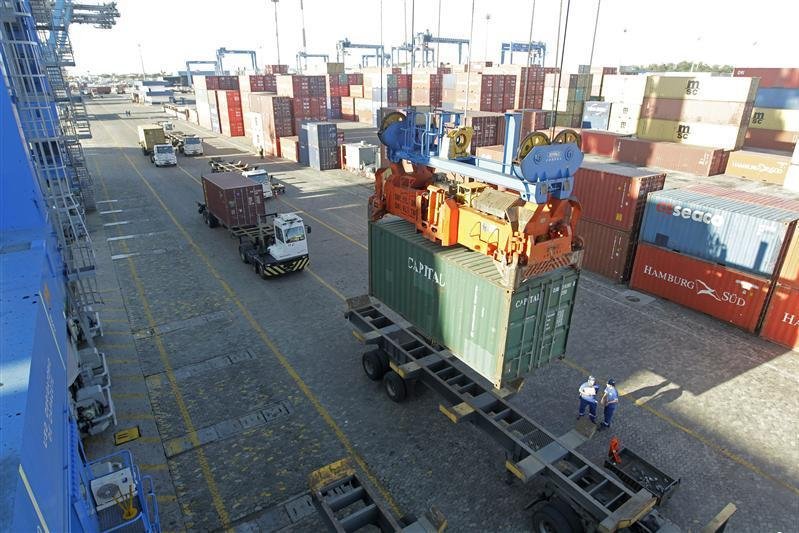
Moreover, Mexico’s economy is heavily integrated with that of the U.S. through trade routes and supply chains, which are likely to be disrupted or destroyed during a nuclear conflict. This dependence adds another layer of vulnerability, as economic collapse in the U.S. would have a cascading effect on Mexican industries and livelihoods.
Political Neutrality and Strategic Alliances
Historically, Mexico has maintained a stance of neutrality and non-intervention, rooted in its Constitution. This approach has kept the nation out of numerous global conflicts over the years. Mexico continues to champion diplomatic solutions and peace through its participation in international organizations such as the United Nations.
However, neutrality may become increasingly difficult to uphold in a nuclear conflict involving its largest trading partner and northern neighbor, the United States. Mexico’s deep economic and social ties with the U.S. could draw it into the crisis, even against its wishes. Additionally, its involvement in global peace and disarmament efforts could heighten expectations for a more active role in the international response to nuclear warfare.
Environmental and Humanitarian Fallout
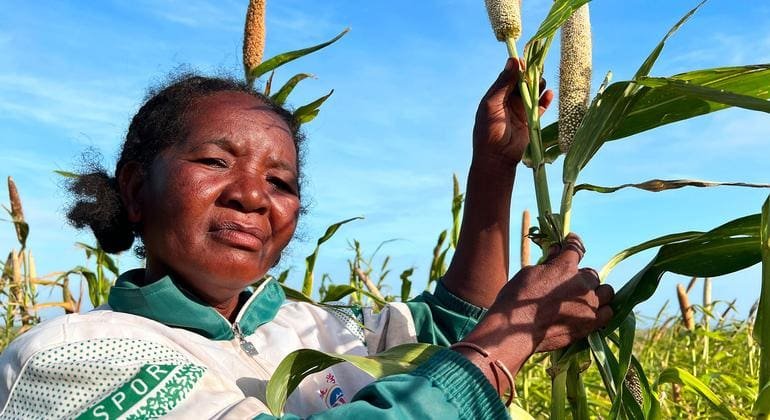
If nuclear war breaks out, environmental consequences in Mexico could be catastrophic. Radioactive particles can travel thousands of kilometers, contaminating air, water, and soil. This contamination would devastate Mexico’s agricultural heartlands, rendering fields infertile and water sources unsafe, thus affecting food production and public health.
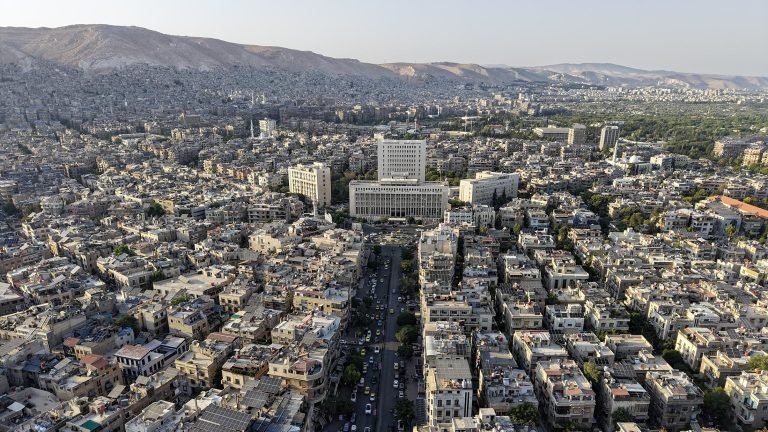
Major urban centers like Mexico City and Guadalajara could also suffer from increased exposure to radiation, leading to long-term health consequences such as cancer and genetic mutations. The environmental crisis would not only impact the current population but could have irreversible effects on future generations.
Economic Reverberations
Even without being the direct target of a nuclear attack, Mexico would experience significant economic fallout. A global conflict of such scale would disrupt trade, cripple supply chains, and push the world into a severe recession.
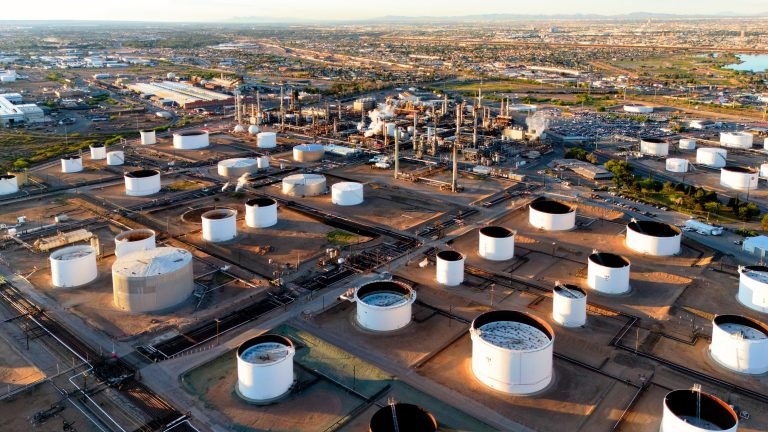
Given its reliance on trade with the U.S., Mexico could see a dramatic downturn in key sectors such as agriculture, oil, and manufacturing. Supply chain breakdowns would cause production delays and shortages, potentially leading to hyperinflation and mass unemployment. Financial instability would ripple through the economy, affecting millions of citizens.
Mexico’s Potential Role in a Global Crisis
Mexico’s position as a







Leave a Reply