


Stephen Eric Bronner*
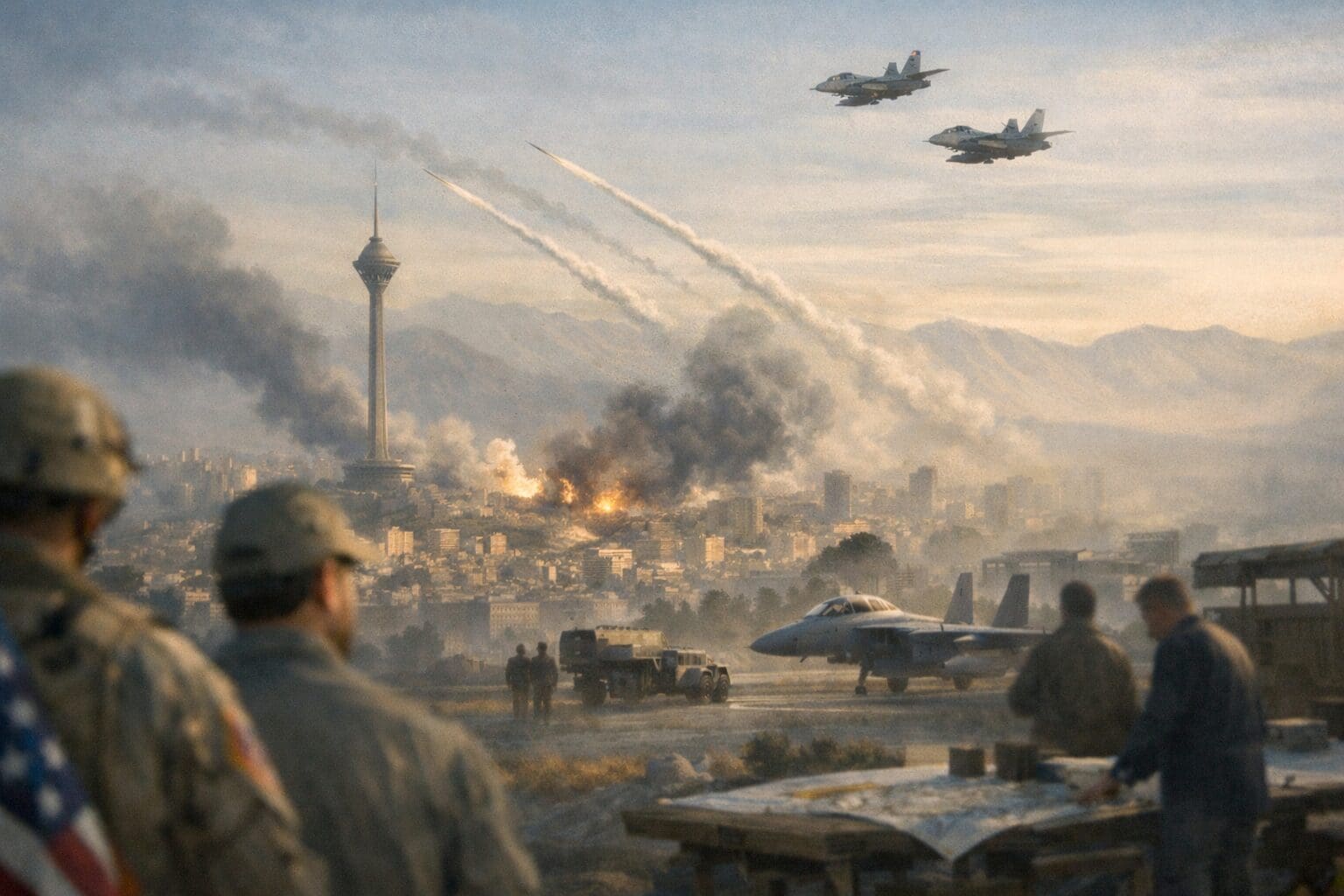
Amid cynicism, illusions, and imperialist aims, bombs are falling on Iran in a conflict between gangster states. Despite public disputes between President Donald Trump and Prime Minister Benjamin Netanyahu over Israel’s actions in Gaza, their differences were exaggerated by liberal media. This intense bombing of Iran, following the June 2025 attacks, was premeditated. The U.S. and its ally, Israel, share a goal to establish dominance in the Middle East.
Why did the bombing occur now? Trump aimed to divert attention from various scandals and a sinking 43% approval rating, while Netanyahu’s numbers were at 30%. Both leaders needed a win. Attacking Iran could attract independent voters and bolster Trump’s base, while Netanyahu would find support among religious-settlement parties. Iran appeared weakened by the aftermath of the June 2025 bombings, currency collapse, and early 2026 protests. Its true strength remains uncertain.
Geo-politics and realism drive events as Trump and Netanyahu assume the strong act at will while the weak suffer. Only Iran remains among Israel’s regional adversaries: Egypt, Jordan, and Morocco have recognized Israel, Saudi Arabia and the Gulf States engage economically, Syria is war-torn, Iraq is divided, and Lebanon is unstable. Palestine struggles with Israeli settlements, humanitarian crises in Gaza, and sovereignty issues. Attacking Iran seemed timely.
U.S. and Israeli foreign policy is not unique. Historically, “great powers” like England, France, Germany, Japan, and Russia pursued regional hegemony, expanded influence, and used horrific tactics. Justifications include national interest, security requirements, potential benefits for victims, and imperialism fulfilling national “destiny.”
The war was not driven by religious missions or fabricated conspiracies, but by material and psychological gains for the U.S. and Israel regarding oil, real estate, annexation projects, group narcissism, and political celebrations.
Iran, vocal against the U.S., is seen as opposing U.S. regional dominance in Latin America and the Caribbean. The Monroe Doctrine and ideas of “manifest destiny” drive U.S. actions. National security justifies targeting “narco-terrorist” states, acquiring Greenland, and potentially bringing Canada into the U.S. The country aims to be the independent global hegemon, accountable only to itself, withdrawing from international agreements and organizations.
Justifications for bombing Iran shifted from defending protestors to addressing an “imminent threat” and Iran’s nuclear ambitions. However, the CIA denied an imminent attack, and a deal preventing Iran’s nuclear development was made by Obama, which Trump undermined in 2018.
Monitoring Iran became impossible, enabling its nuclear program to resume. Despite claims of peaceful nuclear development, its facilities were reportedly destroyed in June 2025 bombings, falsely claimed by Trump and Netanyahu.
Iran’s theocracy is corrupt and oppressive, cracking down on protests with tragic outcomes, adding complexity to the current situation. Trump’s call for regime overthrow risks further conflict or civil war.
Post-regime collapse scenarios are uncertain, similar to post-Iraq invasion issues. Internal divisions could lead to chaos, echoing past uprisings. Philosopher Thomas Hobbes warned that toppling leadership without a replacement leads to chaos, a lesson unheeded by the U.S.
The stakes rise with the death of Iran’s Supreme Leader Ayatollah Khamenei and key Revolutionary Guard officers. Iran is divided, with potential for internal conflicts or conflicts with a democratic opposition.
The war escalates as Israel targets Hezbollah in Lebanon, and Iran retaliates against Gulf States and the U.S. embassy in Riyad. Regional tensions rise, with Trump suggesting possible troop deployment, implying invasion. Iran, a Shia state, cannot rely on Sunni Muslim neighbors for support, as the Arab League responds cautiously. Consequences for aggressors seem unlikely, securing regional power balance, benefiting Netanyahu’s backers.
Iran suffers nearly 1000 casualties and infrastructure devastation early in the conflict. U.S. and Israeli goals remain unclear, ranging from negotiation pressure to nuclear disarmament to regime change. Mission creep occurs as objectives shift, while the conflict prolongs, testing American patience as casualties rise.
Progressive opportunities exist, but Democrats focus on legalistic criticisms of Trump’s unilateral war action. They must evaluate potential outcomes of a successful attack on Iran and develop alternative Middle East policies. The Democratic Party lacks a clear stance against American imperialism or Israel’s actions. Without a foreign policy alternative







Leave a Reply