



Hasselt (Eurotoday): The Hasselt library is digitizing two important works: a 1363 indulgence letter from Herkenrode abbey, and a 1540 Graduale from Sint-Truiden abbey. Photographer Cedric Verhelst captures high-quality images, and there are 21,000 images of Flemish art availableblank” rel=”noopener”> online for everyone to see.
The Library of Hasselt is digitizing two important masterpieces recognized by the Flemish government. One of these is an indulgence letter from the abbey of Herkenrode, dated 1363, which is significant in Limburg’s history. Written in Avignon at the court of Pope Urban V, the letter features artwork made in Herkenrode that shows an annual religious procession. It allowed visitors who made donations or visited the abbey on special days.
What makes the 1540 Graduale from Sint-Truiden Abbey important?
The second masterpiece is the blank” rel=”noopener”>Graduale from the Sint-Truiden abbey, made in 1540. This large choir book has all the songs for church services and is beautifully illustrated. It was last digitized in 2012, and now new technology will make the copies clearer. Digitizing helps check the condition of these important books over time.
Photographer Cedric Verhelst specializes in capturing art and heritage pieces for the Art in Flanders project. He uses high-quality lighting and equipment to ensure the best results. Verhelst often works with tall tripods for hard-to-reach artworks and stores them in a climate-controlled area at the Hasselt Limburg library. People can see the original pieces during an art night in Hasselt, and 21,000 high-quality images of Flemish masterpieces are available blank” rel=”noopener”>online for everyone to explore.
Comments
6 responses to “Hasselt Library Digitizes 1,363 Indulgence Letter and 1540 Graduale: 21,000 Images Now Online”
-
Ah, because nothing screams “modern convenience” quite like diving into the 21,000 digitized images of 16th-century indulgence letters and a 1540 Graduale! Who needs Netflix when you can scroll through a treasure trove of medieval guilt trips? It’s just the sort of riveting pastime to make your average Belgian pint feel a tad less indulgent!
-
Ah, nothing screams “cutting-edge technology” quite like the Hasselt Library digitizing 1,363 indulgence letters—because who wouldn’t want to scroll through centuries-old tickets for heavenly loopholes? And let’s not forget the 1540 Graduale; I mean, surely the world has been waiting with bated breath to see what our medieval ancestors had on their playlist! Honestly, if only IKEA would take a page from this, we could finally see all those assembly instructions from 1940 in stunning detail as well!
-
Ah, the Hasselt Library—because nothing says “modern progress” quite like digitizing 21,000 images of indulgences from the 14th century and church choir sheets from the 16th; if only they’d throw in a few selfies for good measure, we might just keep up with the times, eh?
-
Ah, the Hasselt Library’s grand leap into the digital age—because nothing screams “modern enlightenment” quite like 21,000 images of medieval indulgences; I suppose we should all take a moment to celebrate the true marvel of technology: giving us the ability to browse guilt-free while we sip our cappuccinos!
-
Ah, the Hasselt Library has truly outdone itself by digitizing 21,000 images of indulgence letters and choir books—because nothing screams “cultural progress” quite like giving everyone online access to the medieval equivalent of a “get out of hell free” card!
-
Ah, the Hasselt library’s latest triumph in digital archaeology—because nothing says “modern convenience” quite like scrolling through 21,000 images of medieval indulgence letters while you sip your artisanal coffee, fully aware that the only indulgence most of us can afford these days is a second helping of fries, eh?

Last News
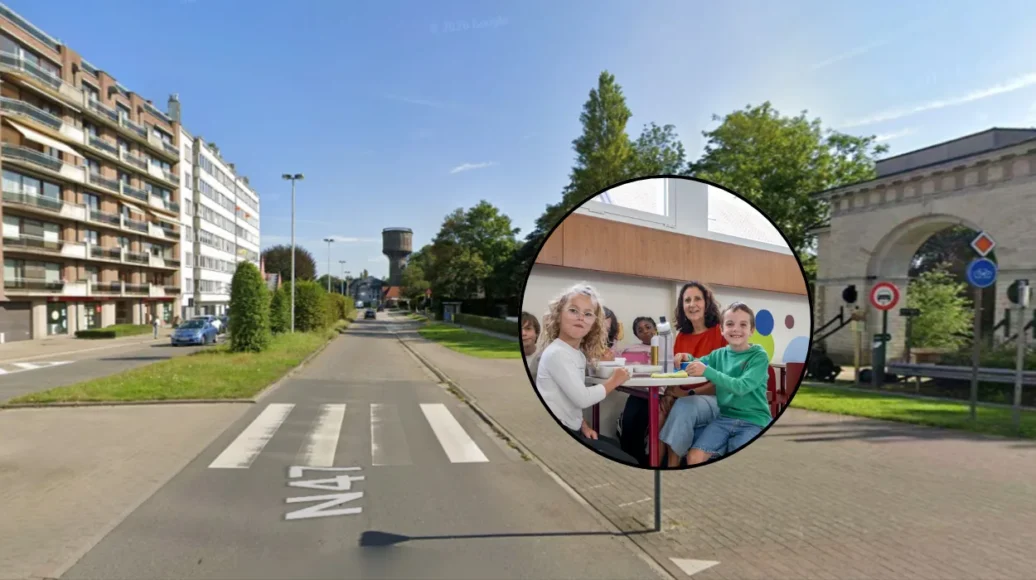
Visitatieschool Students to Use Renovated Cafeteria This School Year
Dendermonde (Eurotoday Newspaper) – Children at Visitatieschool will have lunch in the renovated refectory starting this school year, marking a significant improvement in daily school life for students and staff alike. The announcement comes as schools across Belgium reopen following summer break, with infrastructure upgrades taking centre stage in efforts to enhance the learning environment.
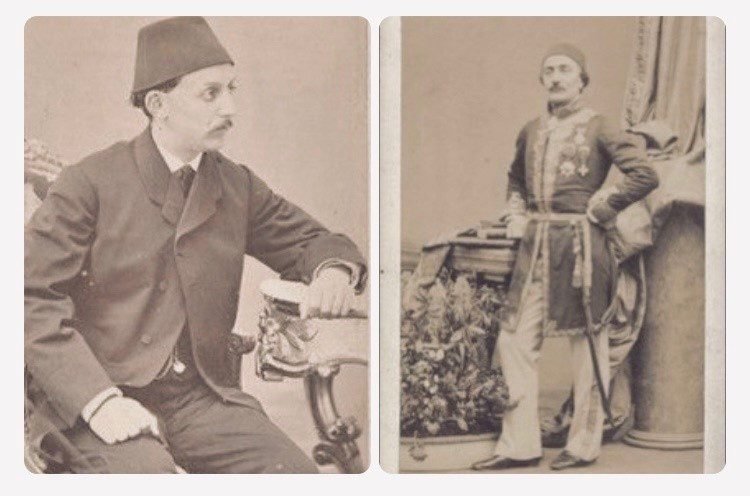
Were All Ottoman Sultans Followers of Sufism?
Early Period
Osman I and his son Orhan were members of the Vefâiyye sufi order led by the legendary grandmaster Edebâlî.
Murad I the Benevolent was a follower of the mystic Seyyid Mehmed Hammârî of Tabriz.
Bayezid I the Thunderbolt was a disciple of the Nurbakhshiyye order grandmaster Emir Sultan.
Mehmed I the Prince followed the Zeyniyye order’s leader Molla Fenari.
Murad II was a Mevlevî under

Witkoff and Kushner to Visit Moscow and Kyiv on Sunday
The two men have been important U.S. mediators in the halted Ukraine peace negotiations. Witkoff has taken multiple trips to Moscow for discussions with Russian President Vladimir Putin in 2025 and early 2026 and has met with Zelenskyy in the U.S., Germany, and France. This upcoming jou
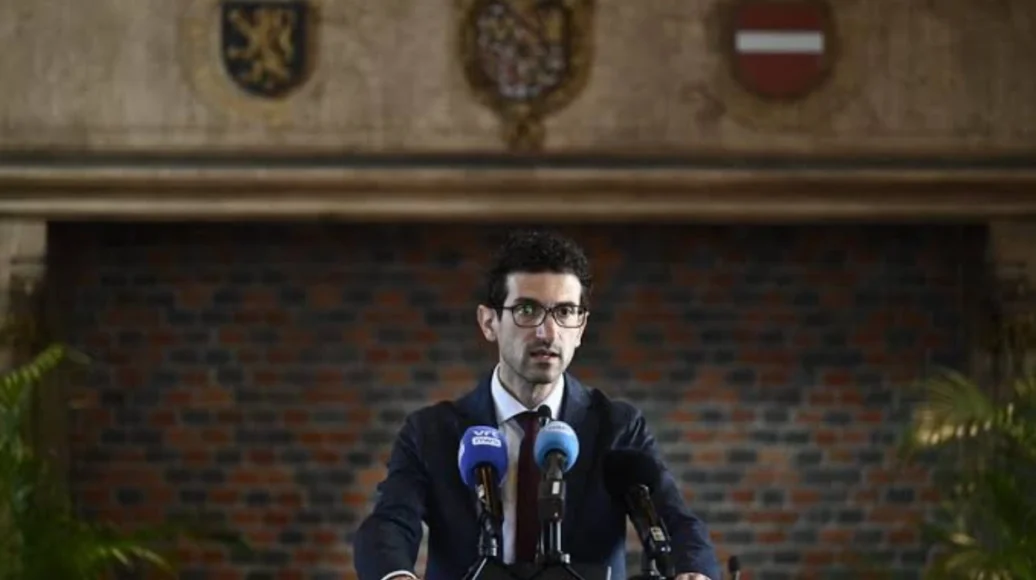
Belgian Jews Condemn Leuven’s Ban on Israeli Club Match as Antisemitic
Leuven (Eurotoday Newspaper) -The Mayor of Leuven, Mohamed Ridouani, has banned the playing of the Europa League game between Union Saint-Gilloise (USG) and Hapoel Be’er Sheva from Israel based on the grounds of safety concerns due to the ongoing war between Israel and Gaza and possible demonstrations. This was revealed at a meeting at Leuven City Council held early September 2026 and is valid w

Norway Detains Russian Vessel in Svalbard
The Professor Molchanov was detained

France downplays SpaceX, Blue Origin snub of "worst Macron-organized" summit
“There are American companies participating, and there will be announcements. We do not see a trend of the U.S. turning its back on Europe at this space summit,” stated another Elysée official. Amazon’s satellite business, Amazon Leo, will have o

Aarschot Sushi Restaurant Raises Funds for Nepal Flood Victims
Aarschot (Eurotoday Newspaper) – Sushi Pleintje in Aarschot has launched a fundraiser to support victims of the deadly August 2026 floods in Nepal, hoping to sell at least 100 benefit boxes as local businesses across Europe and beyond mobilize food-based charity drives in response to one of the region’s worst recent disasters.
What is the Sushi Pleintje fundraiser?
In the Flemish municipality of

Volkswagen Greenlights Overhaul Impacting 50,000 Jobs

French government promises €1B for drought-stricken farmers
France will accelerate payments within its “national solidarity” program, intended to compensate for crop losses, increasing the total to €520 million, contingent on the adoption of the nation’s 2027 budget.
An “agricultural recovery fund” of €235 million is proposed
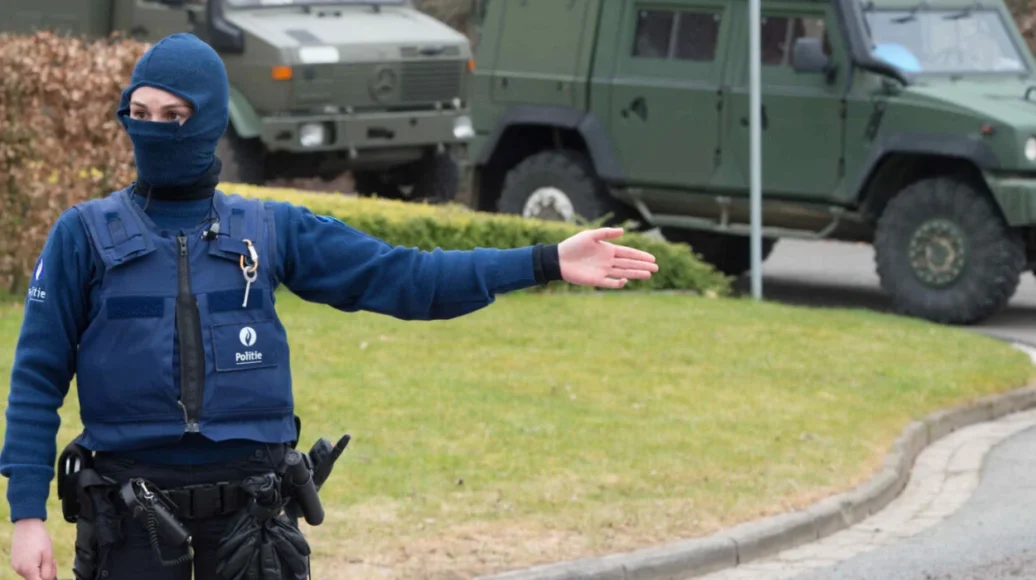
Sint-Niklaas Police Arrest Five After €22,000 Jewelry Theft in Knokke-Heist
Sint-Niklaas (Brussels Morning Newspaper) – Sint-Niklaas police have arrested five suspects and recovered €22,000 worth of stolen gold jewelry hidden in a car following a brazen midday theft at a Knokke-Heist luxury dealer, with the Sint-Niklaas PROA team leading the rapid intervention
How did the theft unfold at La Mine de Diamant?
The robbery took place on a Wednesday afternoon at La Mine de D
Leave a Reply