


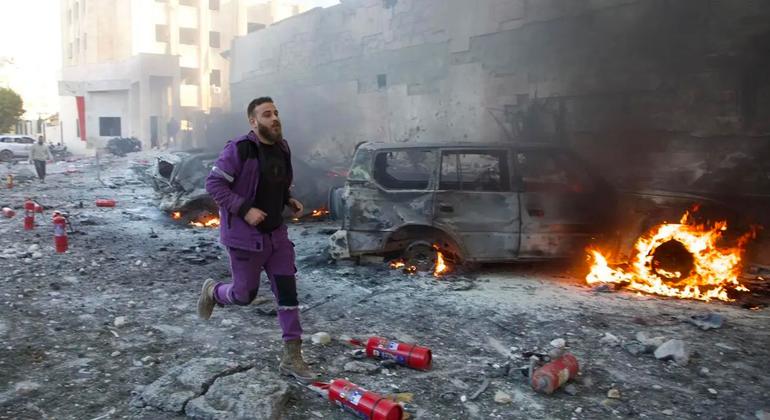
Guterres Reaffirms UN Commitment to Unity and Humanitarian Support in Syria
Reshaping the Middle East
UN Secretary-General António Guterres, speaking during his visit to Pretoria, South Africa, highlighted the dynamic changes taking place in the Middle East and reaffirmed the international community’s commitment to supporting regional stability. Guterres met with South African officials as part of the country’s leadership role in the G20.
He emphasized that the ongoing evolution in the balance of power among key actors in the Middle East necessitates a renewed focus on securing the right of the Palestinian people to self-determination and statehood. Despite the challenges, Guterres expressed optimism, noting “signs of hope” amid the anticipated end of the Syrian dictatorship.
Syria's Future and Self-Determination
Guterres reaffirmed the UN’s dedication to a peaceful transition in Syria, dismissing divisions that have plagued the country for years. His Special Envoy for Syria, Geir Pedersen, continues to work with all stakeholders to carve out a sustainable path forward. “The Syrian people must be empowered to choose their destiny,” Guterres stated. He called for unity among Syrian leaders to ensure an inclusive transition, warning that alternatives to reconciliation would only perpetuate instability.
Addressing Israel's Stance on the Golan Heights
When questioned about Israel’s occupation of the Golan Heights and recent comments by Prime Minister Benjamin Netanyahu describing the territory as part of Israel “for eternity,” Guterres reiterated the UN’s position. He clarified that while the Golan remains occupied by Israel, its status is not internationally recognized. “The concept of eternity does not address the violations of international law,” he added.
Syria's Volatile Security Situation
The conflict in Syria remains intense, with Israeli airstrikes and localized hostilities continuing to destabilize the country. The UN Office for the Coordination of Humanitarian Affairs (OCHA) reported ongoing risks from explosive ordnance, further exacerbating challenges for civilians and humanitarian workers. In the past ten days alone, over 50 new minefields were identified, restricting the movement of people and delaying the delivery of essential goods and services.
Humanitarian Efforts and Challenges
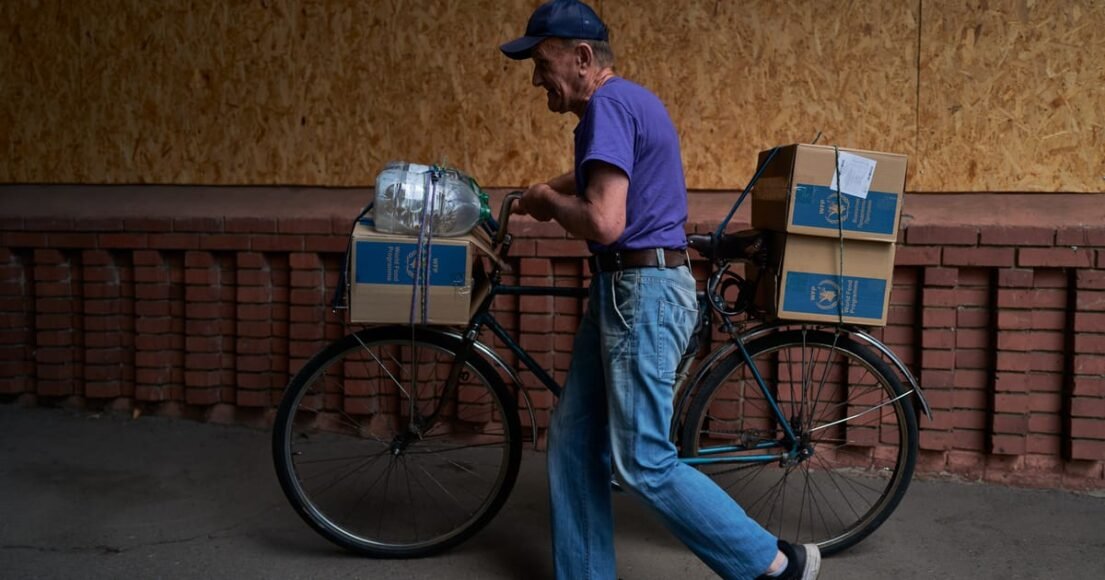
Amid security concerns, local and international humanitarian partners are working tirelessly to provide aid to Syrians in need. Activities are being cautiously resumed in certain areas, with progress reported in western regions like Homs, where water stations have been reactivated to benefit nearby populations. However, aid operations in northeastern Syria remain constrained by ongoing violence.
The UN and its partners are also addressing the critical needs of displaced populations in areas like Tabqa and Raqqa. Tents, blankets, sleeping bags, and solar lamps have been distributed to displaced communities. Yet, additional funding is urgently required, especially with impending winter conditions that could exacerbate existing vulnerabilities.
Continued Commitment
Tom Fletcher, the UN Humanitarian Coordinator, stressed the importance of maintaining aid flows despite the challenges. “Much is in flux in Syria, but vital aid must continue to flow, and critical health and essential services must be sustained,” he wrote on social media. Fletcher emphasized that humanitarian actors remain unwavering in their determination to support Syrian civilians through these turbulent times.
The UN’s continued presence in Syria underscores its commitment to addressing the country’s ongoing humanitarian crisis, fostering unity, and supporting the people of Syria in rebuilding their future.


Leave a Reply