


The expanding conflict zone is causing towns and villages to empty, with thousands fleeing every month. June marked the deadliest period for Ukrainian civilians since April 2022, according to U.N. human rights monitors, noting at least 293 deaths and 1,990 injuries. Casualties from short-range drones near the front lines reached a peak. Those escaping front-line areas told U.N. staff of “feeling hunted” by drones during everyday activities like grocery shopping or walking dogs.
At a transit center close to Sloviansk, evacuees registered and received cash and food. Skau encountered a 90-year-old woman and her daughter, rescued from their home’s rubble the previous day. The mother, who is deaf and blind, had resisted leaving for years. Nearby, a man shared a video from his phone with passersby. He had been capturing his neighbor’s burning house when a blast struck his own; he continued filming.
“These individuals were determined to stay,” Skau said. Their departure, he added, indicates worsening conditions.
Plenty of food, no way in
Food is abundant in Ukraine. Despite Russia controlling roughly a fifth of its farmland, Ukraine remains a leading global agrifood producer, exporting to Africa, the Middle East, and Asia via the Black Sea.
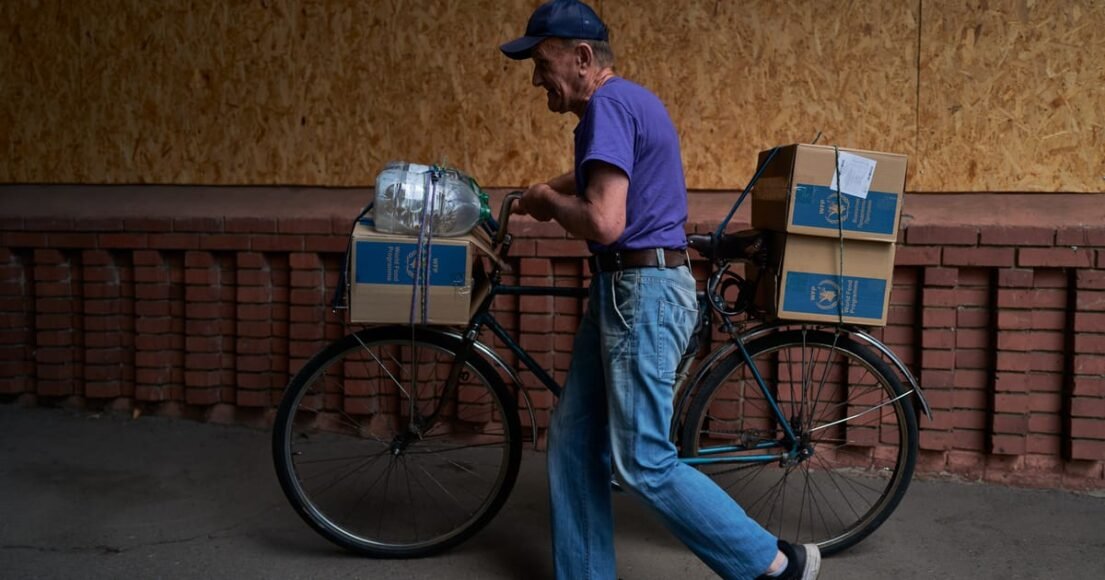
However, near the front lines, the connection between production and consumption is broken. In some areas, shops are non-functional, prompting WFP to deliver food. In other places, shops operate, but retirees often cannot afford the prices or access their pensions due to non-operational bank machines, so the agency provides cash. Increasingly, they offer both, as neither alone suffices.
Much of the distributed food is locally grown. The agency purchases from farmers near the front, and their harvests supply school meals for bunker classrooms, including roughly 20,000 children attending classes in Kharkiv’s metro.










Leave a Reply