



On November 27, 2025, the European Parliament adopted a resolution highlighting the humanitarian crisis in Sudan, affecting over 33 million people, including 16 million children, due to the ongoing conflict. The resolution identified the United Arab Emirates (UAE) as a key sponsor of the Rapid Support Forces (RSF) and called on the EU Council to impose sanctions on violators of the UN arms embargo, including the Global Security Services Group (GSSG). This marked a significant acknowledgment of the UAE’s involvement based on evidence gathered by researchers and journalists. A follow-up resolution was issued on July 9, 2026, addressing war crimes in El Obeid.
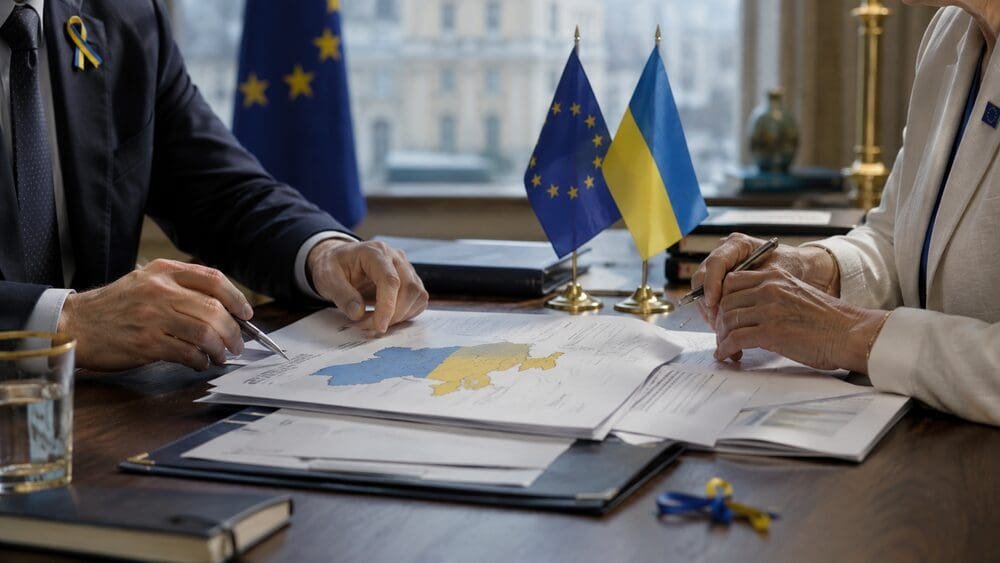
On July 13, 2026, the Council of the European Union introduced sectoral sanctions on Sudan’s gold trade but did not address external support for the RSF or name the UAE. This divergence from Parliament’s position illustrates the complexities of EU diplomacy, requiring unanimity among Member States and maintaining ties with the UAE. During a Europe Day event in Abu Dhabi in May 2026, the EU Ambassador emphasized the strong EU–UAE relations.
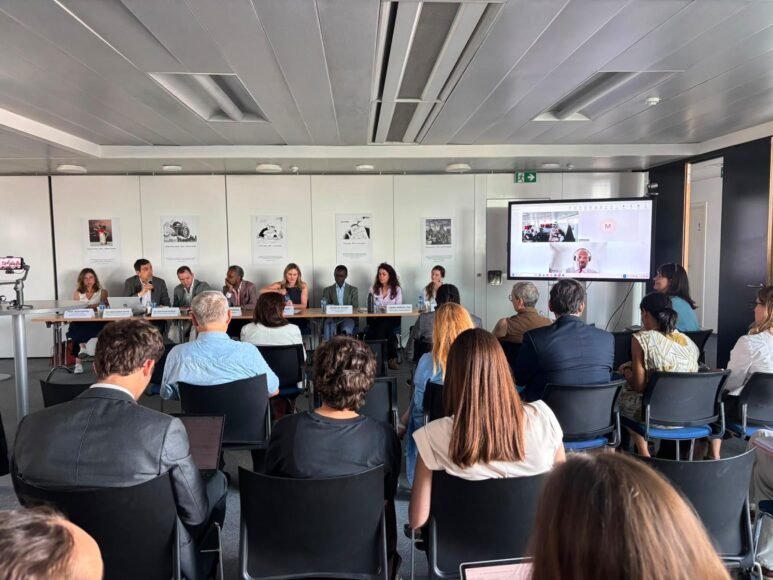
On July 16, 2026, a panel in Brussels, organized by NYU Center for Global Affairs and The Sentry, focused on the role of third states in Sudan’s conflict and legal remedies. Dr. Andrea Karlsson opened the discussion, featuring interventions from Sudanese Human Rights Defenders. Mohamed Osman and Moneim Adam emphasized the need for accountability beyond direct perpetrators, highlighting external actors’ roles. Mutasim Ali presented findings on third-state connections to the conflict.
Dr. Matthew Hedges addressed the UAE’s role, noting its strategic investments and continued support for the RSF due to lack of accountability. The panel also explored legal avenues for victims, with Prof. Julie Goffin discussing Article 15 communications to the ICC as a form of reparations. Victims demand truth and justice, with the ICC’s jurisdiction currently limited to Darfur.
Sarah Sameur, representing El Fasher victims, urged the EU to prevent genocide and described sanctions as effective short-term tools for accountability. She challenged the EU’s inconsistency compared to other sanctions regimes targeting UAE entities.
Kerry O’Donoghue presented reports from The Sentry linking the UAE to the RSF and highlighting the need to end the profitability of war investments, particularly in the conflict gold trade. Rodney Dixon KC stressed the importance of investigating all parties in the conflict, including external involvement, and not overlooking credible allegations due to economic and strategic ties.
During a Q&A session, Prof. David Donat Cattin noted the significant shift in narrative regarding the UAE and other implicated states in Sudan’s international crimes. The new EU sanctions on the gold economy could impact the RSF’s business model, though regulatory reforms are needed to ensure traceability and address human rights violations.




Leave a Reply