


In their letter, the ministers urged Brussels to follow the precedent set after Russia’s 2022 invasion of Ukraine. At that time, a temporary “solidarity contribution” was approved, targeting energy firms to “alleviate the direct economic impact of soaring energy prices on public budgets, consumers, and businesses.”
The 2022 regulation enforced a minimum 33 percent tax on oil and gas company profits exceeding the previous four-year average by more than 20 percent. Along with a comparable strategy now, the ministers also wanted the Commission to explore taxing the overseas profits of multinational oil enterprises.
Oil and gas firms are benefiting significantly from the supply crisis caused by Middle Eastern conflicts and the Strait of Hormuz’s shutdown, a critical channel for about 20 percent of the world’s oil and gas flow. Notably, French oil major TotalEnergies reportedly gained $1 billion after purchasing multiple Middle Eastern crude shipments at the war’s onset. Similarly, companies such as BP and Equinor have seen their stock values rise amid the Brent crude oil price surge.
The ministers emphasized in their letter the importance of maintaining consumer trust, asserting EU nations must demonstrate unity and capability in taking decisive measures.
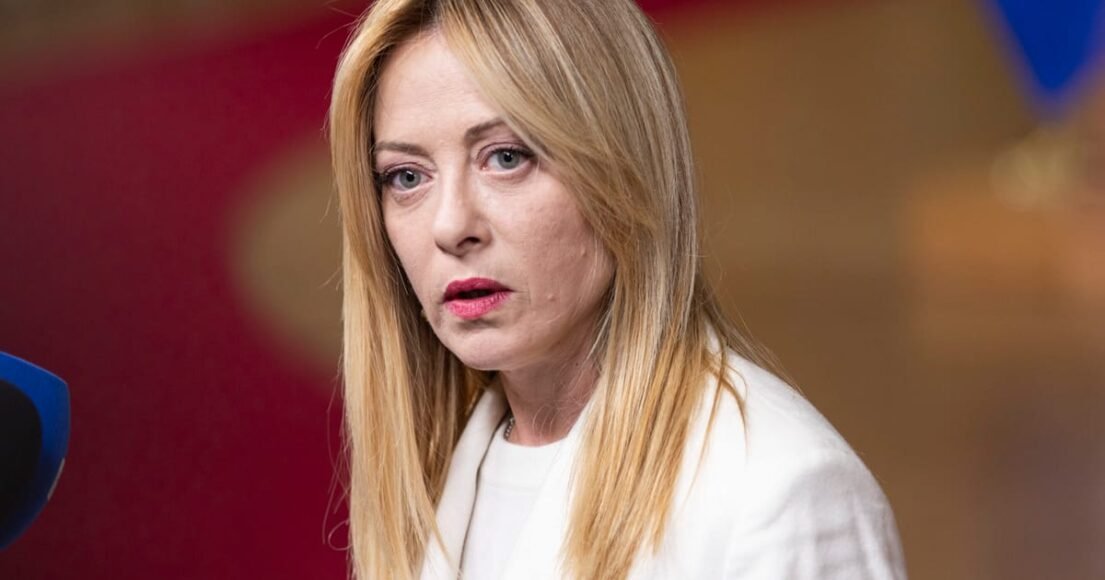
Italian Prime Minister Giorgia Meloni and Germany’s Klingbeil have, for a month, advocated for EU intervention against companies that gain from the energy turmoil. Their viewpoint is supported by key figures like left-wing politician Pasquale Tridico, leading the European Parliament’s tax subcommittee, who seeks redistribution of these excess profits to assist households facing increased expenses.
At the recent EU finance ministers meeting, several officials revealed to POLITICO that Economy Commissioner Valdis Dombrovskis expressed openness to the tax proposal. In a subsequent press briefing, the commissioner acknowledged the escalating “scale, severity and impact” of the conflict necessitated a “comprehensive policy strategy” to tackle rising prices.
The ministers’ letter conveyed that the Commission, facing mounting pressure to deal with the economic repercussions of the conflict, had already “committed to promptly evaluate” their proposal. Should Brussels propose a plan, EU governments would have to approve it. The 2022 windfall taxes were sanctioned without unanimous consent but rather through a qualified majority of member states.







Leave a Reply