


“It’s no longer a question of if we will have a heatwave, but how many we will experience this year and how long they will last,” stated Marisol Yglesias Gonzalez, technical officer for climate change and health at the WHO in Bonn.
Regarding the number of people at risk, Pierre Masselot, a statistician at the London School of Hygiene and Tropical Medicine, informed POLITICO that this heatwave could lead to over 4,500 excess deaths from June 30 to July 3. Countries like Italy, Croatia, Slovenia, and Luxembourg are expected to have the highest excess death rates. “The worst days are likely to be [Tuesday] and Wednesday.”
Heat claims over 175,000 lives annually across the WHO’s Europe region, which extends from Iceland to Russia. A major study co-authored by Masselot and published in January, covering 854 European cities, cautioned that heat-related deaths would increase sharply without significant climate adaptation.
The WHO on Monday reiterated that climate change, driven by fossil fuel burning, will make heatwaves more frequent, dangerous, and intense, leading to more severe illness and death.
Nearly two-thirds of Spanish towns have received health risk warnings, including 804 at the highest alert level, according to the Aemet national weather agency. A spokesperson mentioned that intense heat is anticipated across the country until July 3. Meanwhile, heat alerts are also active in France, Italy, Portugal, and Greece.
Southern Europe is experiencing a soaring heatwave, with temperatures reaching up to 46 degrees Celsius in Spain’s Huelva region — a new national record for June.
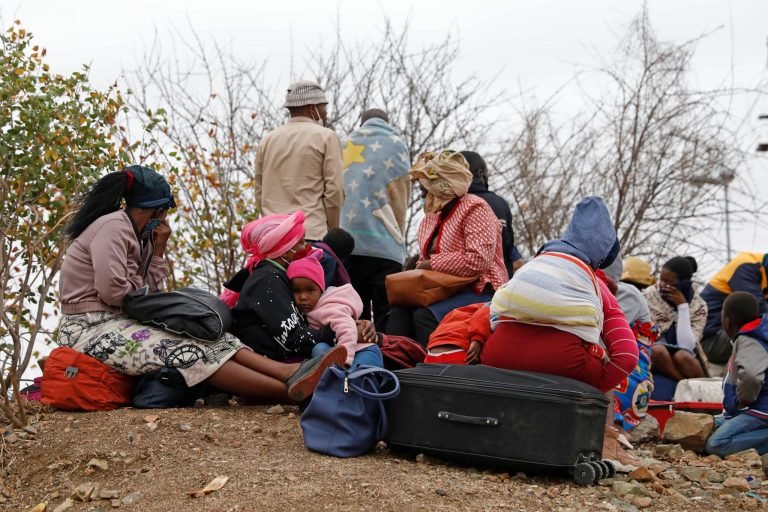
The Greek government has issued warnings about air pollution from wildfires that have spread through coastal towns near Athens. Over 50,000 people have been evacuated in Turkey, mainly due to a fire near Izmir.









Leave a Reply