


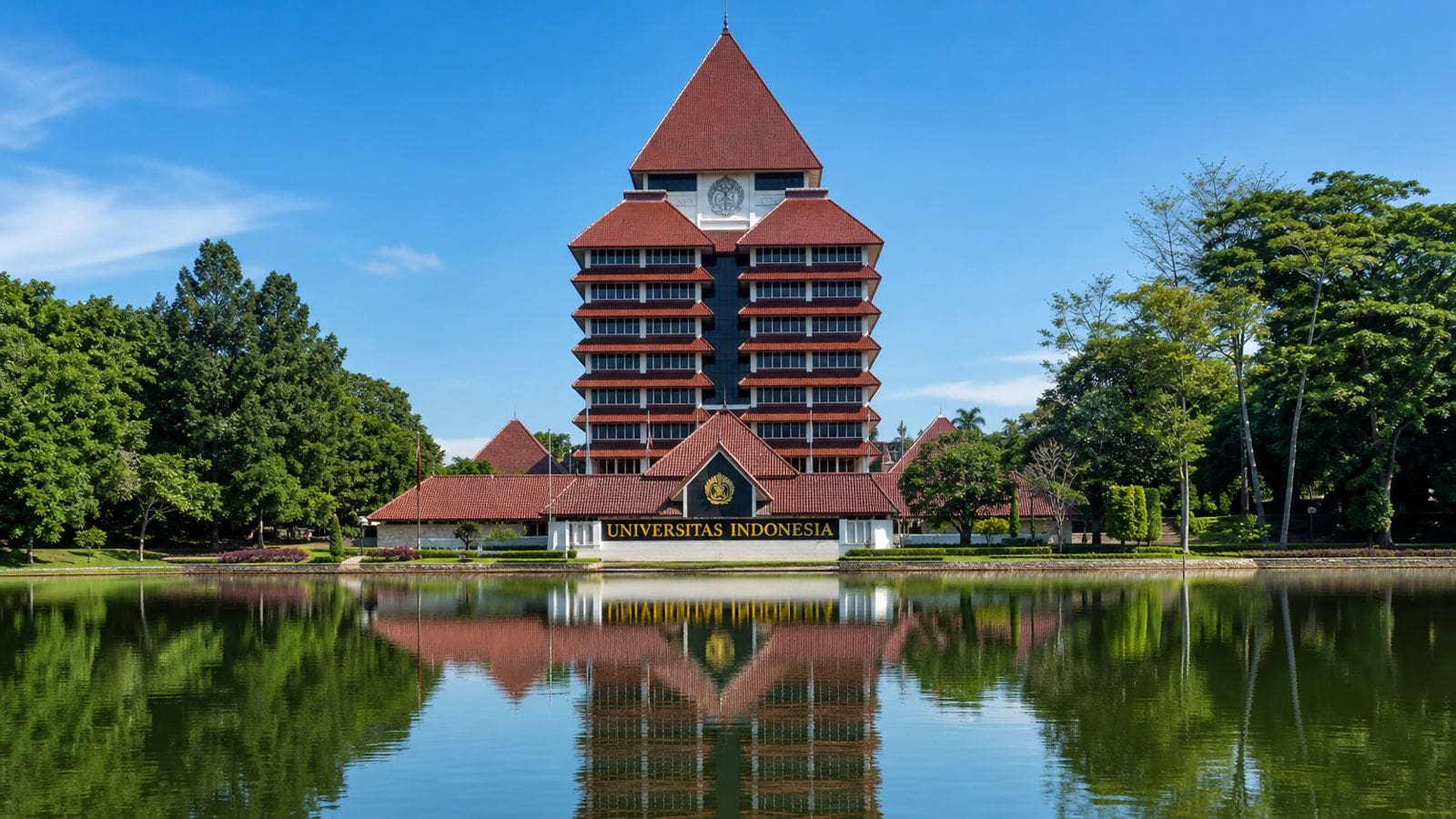
Reflecting on the 21 May EU Resolution and discussions at the Graduate School of Sustainable Development, Universitas Indonesia, Jakarta, 26 June 2026
Jakarta (28 June 2026) – The European Parliament, on 21 May 2026, passed its first resolution on human rights in Indonesia in nearly a decade, with a vote tally of 469 to 38. This resolution coincides with the recent EU-Indonesia free trade agreement and Indonesia’s 2026 presidency of the UN Human Rights Council, underlining the significance of human rights in trade ratification discussions.
The resolution was largely triggered by two acid attacks on human rights activists. On 12 March, Andrie Yunus from KontraS was attacked, resulting in severe injuries and the arrest of four intelligence officers. A similar attack occurred earlier against activist Muhammad Rosidi. In June, a military court sentenced four officers, but concerns remain regarding the limited number of prosecuted individuals and the trial’s military jurisdiction.
The resolution also highlights broader issues in Indonesia, including the military’s increased role in civilian institutions, diminished press freedom, and ongoing conflicts in Papua and West Papua, where significant displacement has occurred due to military operations.
Indonesia’s human rights challenges are echoed domestically, with civil society groups declaring a human rights emergency in Papua. Despite these concerns, the EU remains a key trading partner, with a Comprehensive Economic Partnership Agreement promising economic benefits but tying trade access to compliance with human rights and environmental standards.
The CEPA, pending European Parliament ratification, embeds human rights within trade relations. The Parliament’s resolution suggests a strategic partnership with Indonesia, emphasizing the potential to strengthen ties through sincere human rights dialogue rather than criticism.
The ratification process provides leverage for encouraging improvements in military oversight, media freedom, and access to Papua. While some NGOs argue for delaying ratification, the EU must also reflect on its human rights practices.
Indonesia, as the third-largest democracy, allows civil society to challenge the government and engage internationally. Recent legal and human rights advancements contrast with existing gaps, which Indonesians themselves acknowledge, especially as Indonesia leads the UN Human Rights Council.
Reforms sought by Indonesians call for enhanced military oversight, activist protection, media freedom, and Papua monitoring, aligning with global human rights expectations.
Hans Noot, editor of the HRWF daily newsletter and human rights documentation practitioner, based this article on a speech at Universitas Indonesia’s Faculties of Law and International Relations.







Leave a Reply