



European Council Summit Highlights: Ukraine, Middle East, and EU’s Geopolitical Role
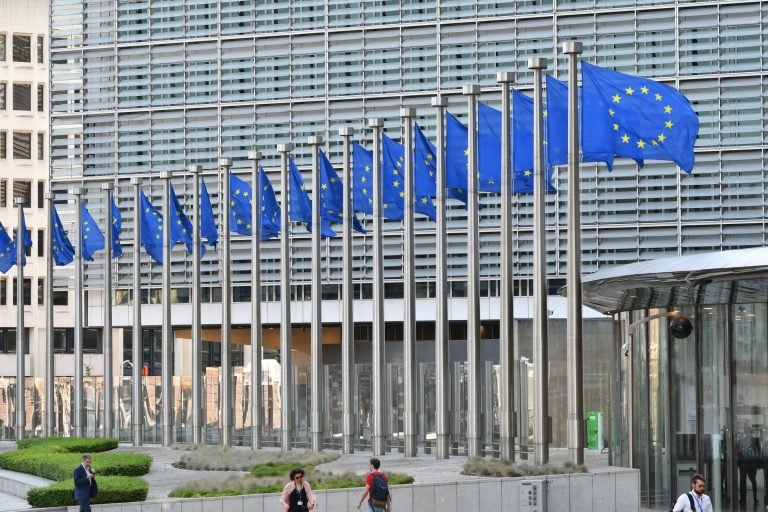
European Commission President Ursula von der Leyen participated in the final European Council summit of the year, marking the first under the leadership of newly appointed President António Costa. Key topics of discussion included the ongoing situation in Ukraine, the Middle East, and the European Union’s growing global influence.
Ukraine Dominates Discussions
The summit placed significant emphasis on the war in Ukraine. Ukrainian President Volodymyr Zelenskyy joined the leaders to provide an update on the situation on the ground and outline Ukraine’s immediate needs in its struggle against Russian aggression.
President von der Leyen affirmed the EU’s unwavering support for Ukraine, stating that ensuring its victory is both a moral and strategic priority. She detailed Europe’s substantial contributions to Ukraine, amounting to nearly €130 billion, with guaranteed economic and financial stability until the end of 2025. She highlighted the role of the Ukraine Facility and G7 loans in covering Ukraine’s financing needs, allowing for the procurement of critical military equipment.
Von der Leyen also addressed Russia’s deliberate attacks on Ukraine’s energy infrastructure, underscoring the urgency of bolstering interconnectivity between Ukraine and the EU’s energy grid, improving repairs, and decentralizing electricity generation. Additionally, she hinted at potential progress in Ukraine’s EU accession process, noting that the country’s continued reforms could pave the way for the first cluster of accession negotiations in early 2024.
Focus on the Middle East
The crisis in the Middle East, particularly in Syria, was another focal point of the summit. Leaders stressed the importance of a Syrian-led and inclusive political process that honors human rights, respects women’s rights, and protects religious and ethnic minorities.
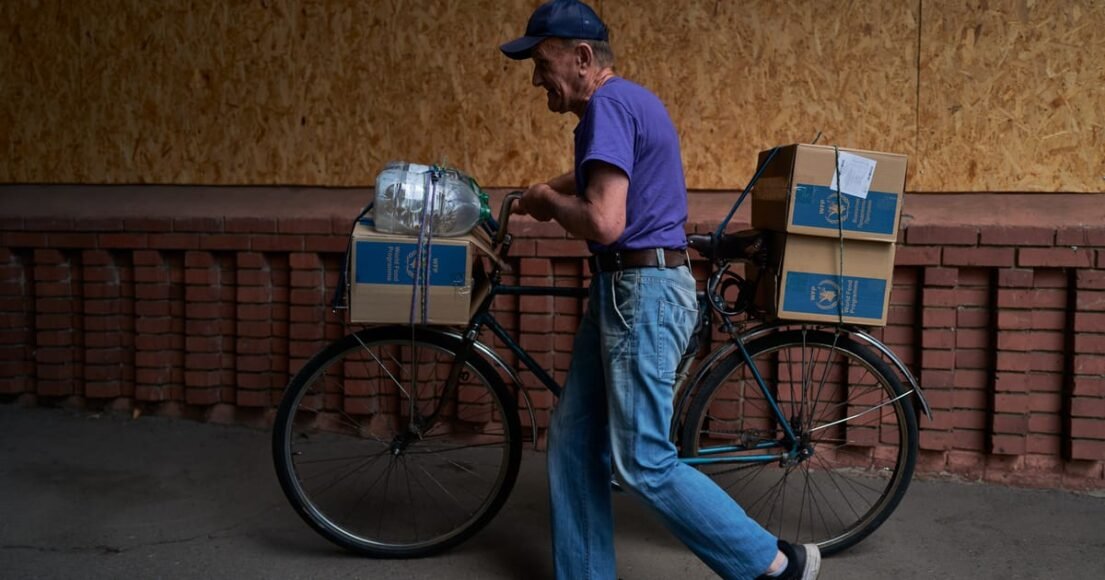
Von der Leyen highlighted the EU’s efforts to support the Syrian people, including an expanded humanitarian aid package of over €160 million this year and the launch of a humanitarian air bridge through Türkiye and Jordan. She emphasized the EU’s commitment to early recovery and reconstruction, while advocating for a “step-for-step” approach, requiring reciprocal actions from the leadership in Damascus.
On the topic of Syrians returning home, she reiterated the EU’s collaboration with the UNHCR to ensure that any returns are voluntary, safe, and dignified.
EU’s Geopolitical Role
The European Council also deliberated on the EU’s place on the global stage, covering developments in Moldova and Georgia, as well as progress on EU enlargement initiatives. Leaders emphasized the importance of strengthening the EU’s geopolitical influence amid global challenges.
Relations with the United States
With the inauguration of U.S. President-elect Donald Trump on the horizon, discussions on EU-U.S. relations were a key agenda item. President von der Leyen urged the EU to engage with the incoming administration on a constructive agenda, citing the importance of shared trade interests and economic integration. She also acknowledged the need to prepare for varying scenarios in the evolving transatlantic relationship.
Conclusion
The summit underscored the EU’s commitment to tackling pressing global issues, from its unwavering support for Ukraine to its involvement in Middle Eastern recovery efforts and its broader geopolitical aspirations. As the EU moves forward, it is poised to play a critical role in shaping both regional stability and global partnerships.
Source

Leave a Reply