


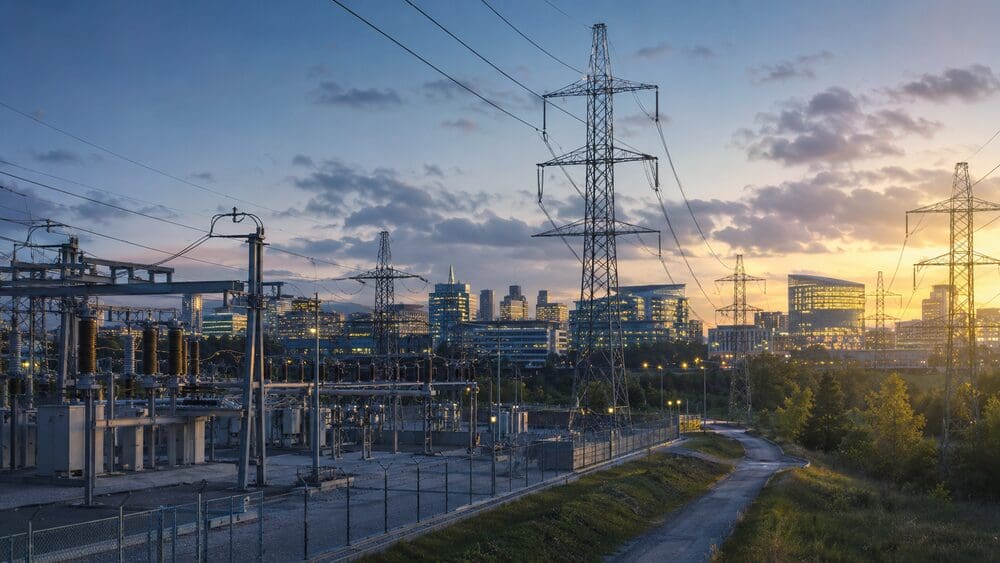
Council’s Stance Initiates Talks on Expedited Permits, Enhanced Interconnections, and Security Rules for Europe’s Power Networks
On Friday, EU energy ministers reached a consensus on a significant package aimed at modernizing Europe’s energy grids, advancing the bloc towards new rules to accelerate cross-border infrastructure, alleviate bottlenecks, and support the transition to cleaner electricity. This agreement is not yet law but authorizes the Council to engage in talks with the European Parliament later this year.
The consensus, achieved in Luxembourg on 26 June, involves revising trans-European energy infrastructure rules and introducing a new permitting directive. According to the Council of the EU, member states seek a more coordinated approach to planning electricity, hydrogen, and gas infrastructure while considering national energy priorities and regional differences.
This decision emerges as Europe’s clean-energy aspirations are increasingly hindered by practical issues: power lines, substations, interconnectors, and permitting systems have not expanded swiftly enough to meet demand from renewable projects, electrified industries, data centers, electric vehicles, and households. This has resulted in a widening gap between climate goals and the necessary physical infrastructure.
From Climate Pledges to Construction Deadlines
Proposed by the Commission in December 2025, the European grids package emerged after years of warnings that Europe’s electricity system needs to become more digital, flexible, and interconnected. The Commission states that the EU grid spans over 11 million kilometers, yet faces increasing connection requests, project delays, and security threats.
The European grids plan outlines eight “Energy Highways,” including Iberian electricity interconnections, the Great Sea Interconnector linking Cyprus to continental Europe, Baltic security projects, and hydrogen corridors from southern Europe toward central industrial regions.
Friday’s Council stance would implement a central infrastructure scenario prepared by the Commission with input from member states and stakeholders. The aim is to pinpoint long-term gaps and bottlenecks before they turn into costly failures. Sensitivity analyses conducted every two years would permit the framework to respond to market changes and urgent infrastructure needs.
For households and businesses, the concern is whether these technical changes will eventually result in more reliable power and reduced billing pressure. Europe already has substantial renewable energy volumes awaiting better connections. Without enhanced grids, affordable clean electricity might remain constrained to one region while another experiences congestion, higher prices, or reliance on imported fuels.
Permits, Funding, and Public Trust
The Council’s position also advocates for faster and more transparent permitting processes. Digital portals would streamline applications, with electricity and renewable energy projects potentially classified as being of overriding public interest, barring evidence to the contrary. Member states might also permit tacit approval when authorities do not respond during interim permit process steps.
This acceleration will be politically sensitive. Communities affected by new power lines, renewable projects, or substations often question whether infrastructure is truly necessary, and who benefits, bears costs, and carries the local burden. Consequently, the Council text includes public engagement measures, such as independent facilitators and benefit-sharing for proximate communities.
The funding issue carries equal importance. Ministers agreed that a portion of unspent congestion income, generated when electricity bottlenecks separate trading zones, should be redirected into cross-border projects. The proposed allocation would start at 10% from January 2028 and rise by five percentage points annually until reaching 25% in 2031.
This measure is intended to provide more predictable funding for interconnections, although the Council’s stance also limits the rule by excluding income from bidding-zone borders within a single country and funds collected before the regulation’s enactment.
Security in the Grid Discussion
Comments
20 responses to “EU Ministers Support Grid Overhaul”
-
Looks like the EU ministers finally decided that modernizing the energy grid is crucial—who knew? 🚀 Maybe now we can stop using candles during the next power outage! 💡
-
If only these ministers could power their discussions with the same energy they put into red tape, Europe might actually have a grid that works by now. 😂 Just what we need—more talk about “highways” for energy while the roads of bureaucracy are jammed!
-
Looks like the EU ministers finally decided to give their grid a makeover—because who doesn’t love a good bureaucratic facelift? Just what we need, more meetings to discuss how to talk about fixing the grid while the lights flicker off! 💡😏
-
Cheers to yet another grand plan that promises to fix our energy woes while we all sit back and wait for the actual construction to begin—might as well order a coffee and make ourselves comfortable, right? ☕️💼
-
Fantastic! Just what we need—more meetings to talk about moving electrons while the power lines are still playing hide and seek. Maybe if we charm the wires with some good ol’ European bureaucracy, they’ll finally start cooperating. 😂💼
-
Isn’t it charming how EU ministers can rally together for grid overhauls while our coffee shops still struggle with Wi-Fi? ☕️⚡️ Maybe by the time they finish these talks, I’ll finally get that reliable electricity to power my espresso machine! 😂
-
Just what we needed, a grand plan to “modernize” our grids – because who doesn’t love a good game of bureaucratic chess? ⚡️ Let’s hope this leads to more than just power struggles!
-
Looks like the EU is finally getting its act together with this grid overhaul – I mean, it only took a decade of warning signs and an energy crisis to make a move.👏 But hey, who needs reliable power when you’ve got endless meetings and a bureaucratic maze to navigate? 🙄
-
Just what we need—more bureaucratic red tape to speed things along! 😂 With all these ‘enhanced’ interconnections, maybe we’ll finally get that power flow to match the endless flow of hot air from our esteemed ministers. Cheers! 🍻
-
Looks like the EU ministers finally decided to play catch-up with the grid – maybe they’ll finish before we need to start charging our electric cars with candles. 😂 Just what we needed, more meetings to “speed up” the process! 🥳
-
A brilliant idea to fix the power grid while the EU is still trying to untangle the spaghetti of regulations. Just what we need—more meetings to discuss how to build things we already said we needed, but somehow still haven’t! 🤷♂️💼
-
Looks like the EU ministers have finally decided to put the “electric” back in “electricity”—just in time for the next millennium! 💡 Can’t wait to see those “Energy Highways” become the scenic routes of our future… if they ever get built, that is! 😏
-
Looks like the EU ministers are finally trying to catch up with the rest of us who’ve been waiting for power lines to meet their own renewable energy dreams. I mean, who knew that grid modernization required more than just a good cup of coffee and a chat over croissants? 😏⚡️
-
Right, so the EU Ministers have finally decided to give the grid a makeover, like a late-night reality show contestant – let’s hope it doesn’t short-circuit before the big reveal! ⚡️🙄
-
Strange how it takes years of bureaucratic tango to realize that power grids might need a bit of a facelift. But hey, at least they’ll be talking about permits—what a thrilling way to spend a Friday in Luxembourg! 😂💼
-
Talk about a shocking revelation! EU ministers finally decided it’s time to give the grid a facelift—who would’ve thought that 11 million kilometers of electrical spaghetti needed a clean-up? ⚡🤣
-
Looks like the EU ministers have finally decided to tackle the grid issue. Maybe they’ll finish just in time for the next solar eclipse! 🌞🔌
-
So, EU ministers are finally waking up to the idea that power grids need an upgrade—what a shocker! 🌍💡 Let’s just hope they don’t take as long to execute this as they did to plan the last holiday in Brussels! 😂
-
Looks like the EU ministers have finally decided to tackle those pesky power grid issues—only took a few million meetings in Luxembourg! 🤦♂️ Let’s hope this grid overhaul isn’t just another case of “talk the talk” while the lights flicker on and off! ⚡️💸
-
So, EU ministers have decided it’s time to modernize the grids—brilliant idea! Just what we need, more meetings and paperwork to fix the mess they’ve been ignoring for years. 🥳💼

Last News
Extension du marché carbone : le jour où Macron et Bayrou ont dit non à quatre ministres
This compensation was deemed insufficient by Valérie Létard, the Housing Minister at the time. “When does one become modest or not? We’re tal
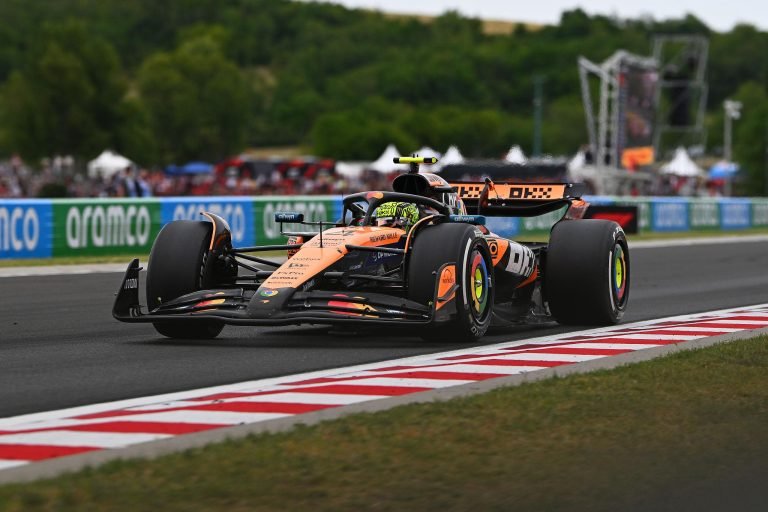
McLaren Triumphs as Norris Wins Hungarian GP in Budapest
Budapest, July 26 Eurotoday Newspaper — F1 Hungarian GP results saw Lando Norris claim victory for McLaren after leading a controlled race at the Hungaroring. The British driver converted pole position into a crucial win, finishing ahead of Red Bull’s Max Verstappen. Mercedes driver Kimi Antonelli completed the podium to extend his lead in the Formula 1 drivers’ championship before the summer br

Scientists Unravel the Mystery of Delhi’s Enduring Iron Pillar
Metals typically have a limited lifespan, with iron quickly corroding when exposed to the environment. However, in the courtyard of the Quwwat-ul-Islam mosque in Delhi stands an anomaly: an iron pillar that defies this natural decay.
The pillar stands 7.21 meters tall from top to base, with 1.12 meters underground. The capital measures 306 mm and the structure weighs over
India Budget Addresses Price Risks with RBI Inflation Outlook in Focus
New Delhi, July 26 Eurotoday Newspaper — RBI inflation outlook remained under close watch after Finance Minister Nirmala Sitharaman said the Union Budget includes adequate buffers to absorb inflation risks while maintaining India’s growth trajectory. The remarks come as policymakers monitor food prices, global energy costs and international economic uncertainty that could affect inflation in the
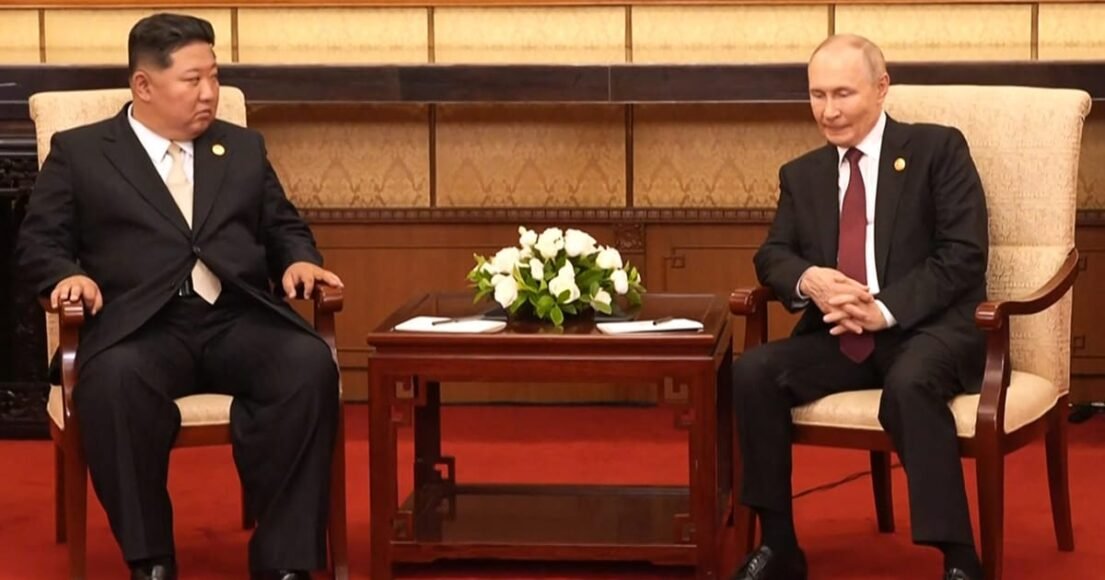
Zelenskyy claims Russia seeks 30,000 additional troops from North Korea
“Russia is aiding North Korea in learning warfare, enhancing its weapons, and acquiring pr

Cats Utilized as Living Torches for Arson
Domenico Costarella of the local Civil Protection Agency stated that the cats ran, spread
Institutional Investing Spotlight: LSEG Lipper Analyzes Fixed-Income Fund Flow Data
London, July 25 Eurotoday Newspaper — Institutional investing is under close attention after LSEG’s Lipper division launched a review into a transaction that affected its fixed-income fund flow data. The company is examining whether an unusually large movement reflected genuine investor activity or an operational event. The review comes after preliminary figures suggested record weekly outflows
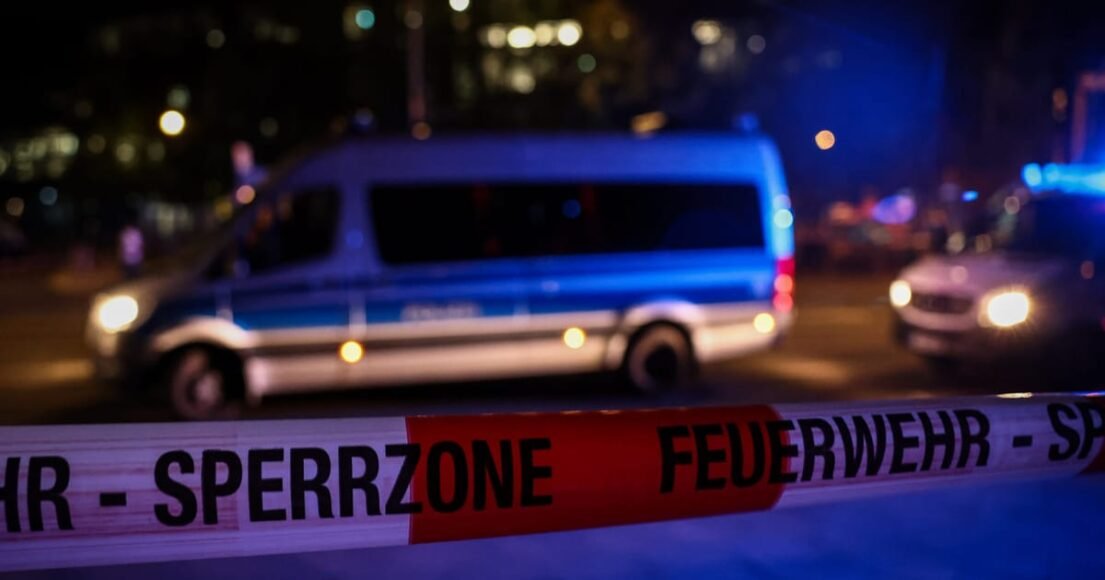
Berlin pride parade attack results in 1 dead, 16 injured
A photo from the German tabloid Bild showed a white van with a damaged hood. According to regional media, the man drove the van into a crowd on a path in Tiergarten park.
Berlin Mayor Kai Wegner and German Chancellor Friedrich Merz denounced the attack. Wegner wrote on X: “It

The CIA’s Spy Cat: The Most Expensive Failure of the Cold War
Operation Acoustic Kitten was a real, documented CIA project, confirmed by declassified
DeepSeek Halts Fundraising Talks Amid AI Investment Market Scrutiny
Hangzhou, China, July 25 Eurotoday Newspaper — AI startup funding is under renewed attention after Chinese artificial intelligence company DeepSeek reportedly paused discussions with prospective investors during its latest fundraising round. According to Bloomberg News, the company informed potential backers that negotiations have been put on hold for now. Reuters said it could not independently
Leave a Reply