



In the mid-1960s, a van stopped on a Washington street, and a gray cat leaped out, heading toward the Soviet diplomatic mission. The cat was equipped with a microphone in its ear canal, a radio transmitter under its skin, and an antenna woven into its fur, all monitored by people in the van wearing headphones.
Operation Acoustic Kitten was a real, documented CIA project, confirmed by declassified archives. It illustrates a time when the CIA believed everything could be subdued, except cats.
At the height of the Cold War, listening devices were everywhere, but not in all public spaces. The technology couldn’t pick up voices amidst street noise, but cats roamed unnoticed. A cat could approach confidential conversations without arousing suspicion, making it a perfect carrier for equipment.
In the 1960s, when the CIA believed in the limitless potential of science, transforming a cat into a spy sounded like an engineering challenge. Projects from this era included mind control attempts and plans to poison Castro’s beard, often blurring the lines between intelligence and science fiction.
A surgical procedure turned the cat into an apparatus with a microphone, transmitter, and antenna implanted in its body. However, the battery was a compromise, allowing only short transmissions. Despite the technical success, the project’s problems were not mechanical.
Cats don’t follow orders, a fact that clashed with the cat’s training for espionage. Cats act independently, are distracted easily, and will abandon missions for food. These setbacks were noted in reports, and the team tried additional training.
The conclusion was clear: you can implant a transmitter but not obedience in a cat. The same independence that made cats ideal carriers rendered them unsuitable for service. The perfect cover was their absolute unmanageability.
The story ends with two versions. The popular one, shared by a former CIA employee, claims the cat was hit by a taxi during its first test. The other, claimed by a former CIA technical service head, states the project closed because training failed, and the equipment was removed, with the cat living happily afterward.
While the exact outcome remains debated, the project officially ended. Declassified papers from 2001 reveal the CIA concluded cats aren’t suitable for their needs. The report commended the team for their energy and imagination, acknowledging that millions were spent to learn what any cat owner knows.
The “acoustic kitten” wasn’t an isolated experiment. The CIA also experimented with pigeons, a mechanical dragonfly, and trained ravens. Some ideas later evolved into important technologies. The bizarre projects of the 60s were the price for advancement, and cats remain agents of their own interests.
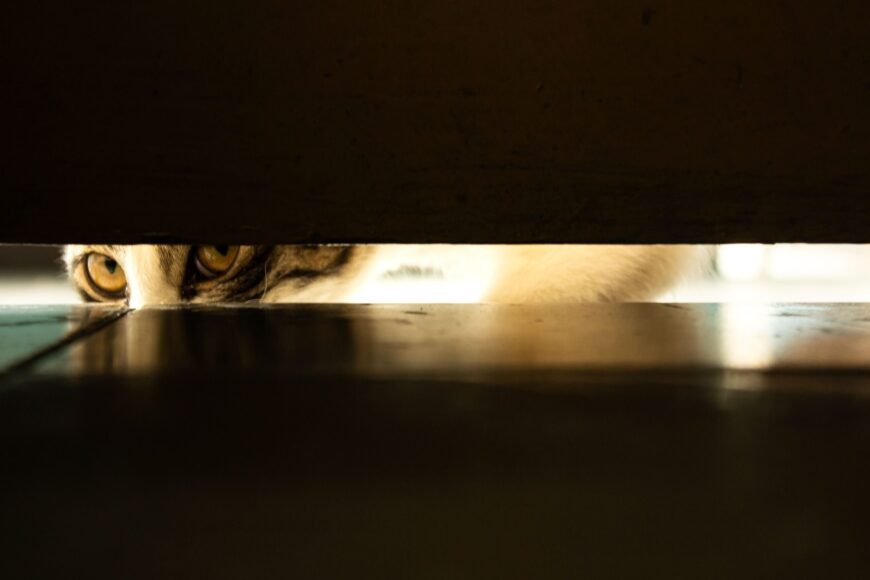
Illustrative photo: pexels-alif-salman-2158219333-35454054.










Leave a Reply