



European Union’s Erasmus+ Programme is the European Commission’s Programme for Education, Training, Youth, and Sport for the term 2021–2027, following the previous programme (2014–2020). The word “Erasmus” also served as the acronym for “European Community Action Scheme for the Mobility of University Students.” As a unified programme, the EU Erasmus+ Programme presents more opportunities for mobility of learners and collaboration across the education, training, and youth sectors and is easier to access compared to its predecessors, with simplified funding management and a structure designed to streamline administration. The new Erasmus+ Programme, spanning 2021–27, is more digital, inclusive, creative, and greener.
The Erasmus+ Programme for the European Union covers the 27 EU Member States and 6 non-EU-associated nations, with 55 National Agencies tasked with the decentralized administration of most of the programme’s activities. Other nations across the world may also participate in certain parts of the programme. The overall responsibility for management, direction, and assessment of the programme lies with the European Commission (Directorate-General for Education, Youth, Sport, and Culture), supported by its Education, Audio-visual, and Culture Executive Agency (EACEA).
What is the main goal of the Erasmus+ programme?
The purpose of “Erasmus+” is to facilitate transnational learning mobility and collaboration between organisations and policymakers, as a way to improve quality and excellence, support inclusion and equity, and foster creativity and innovation in education, vocational training, youth, and sport. In all these areas, the goal is to provide support, through lifelong learning, for the academic, professional, and personal development of participants in Europe and beyond.
Key Components of the Erasmus+ Programme
The programme’s goal is accomplished through three core actions:
- Key action 1: Learning mobility of individuals
- Key action 2: Cooperation among organisations and institutions
- Key action 3: Support to policy development and cooperation
Other activities include “Jean Monnet” initiatives, which support teaching, learning, research, and debates on European integration topics, such as the EU’s future challenges and opportunities.
How has the Erasmus+ programme evolved since its inception?
Erasmus+, also known as Erasmus Plus, was the new 14.7 billion euro catch-all framework for education, training, youth, and sport from 2014 to 2020. The Erasmus+ Programme merged all the EU’s schemes for education, training, youth, and sport, including the Lifelong Learning Programme. The Erasmus+ regulation was established on 11 December 2013.
This EU Erasmus+ Programme provided grants for a wide range of activities, including opportunities for students to take on work placements abroad and for educators and staff to engage in training programs. Projects are divided into two parts – formal and non-formal education – each with three key steps. Erasmus+ Key Action 1 provides unique opportunities for teachers, headmasters, and other education professionals to participate in international training courses across Europe.
On 30 May 2018, the EU Commission proposed the next Erasmus Programme, doubling the funding to 30 billion euros for 2021–2027. Further negotiations were anticipated during the 2019–2024 European parliamentary period with the European Parliament and European Council before final approval. The agreement between the European Parliament and European Council was finalized, and the new regulation 2021/817 establishing the updated Erasmus+ Programme was published on 28 May 2021.
Comments
4 responses to “EU Erasmus+ Programme Revolutionizing Education Across Europe”
-
Oh, great, just what we needed—a fancy EU programme to send our students gallivanting around Europe while the rest of us are stuck in traffic. 🙄 I guess it’s like a holiday, but with a side of bureaucratic paperwork! ✈️📚
-
Oh, absolutely brilliant! Just what we need—more bureaucratic jargon to “streamline” education while we all grab our euros and hop on a train to who-knows-where for a “learning experience.” 🎓✈️
-
Oh joy, another EU initiative to make us feel like we’re all part of a grand educational utopia! 🎉 Because nothing says “effective learning” like navigating 55 national agencies and a 30 billion euro budget—cheers to bureaucracy! 🍻
-
Oh great, a €30 billion scheme to send students gallivanting around Europe while we sit in our offices pretending to be impressed. Next, they’ll be giving out medals for just showing up! 🇪🇺💼

Last News
L’UE inflige à Google une amende de 890 millions d’euros pour son moteur de recherche et son app store
The Commission stated that Google has already begun to test certain corrective measures — including changes in how free servi
EU Countries Reinstate Temporary Measures for Big Tech to Identify Child Sexual Abuse Material
Brussels, July 23 Eurotoday — Online child protection Europe received renewed legal support after European Union member states agreed to restore an interim measure allowing major technology companies to voluntarily detect, report and remove child sexual abuse material (CSAM). The decision restores legal certainty for online platforms following the expiry of the previous temporary framework earli
Cuban Addresses Fuel Shortage Issue
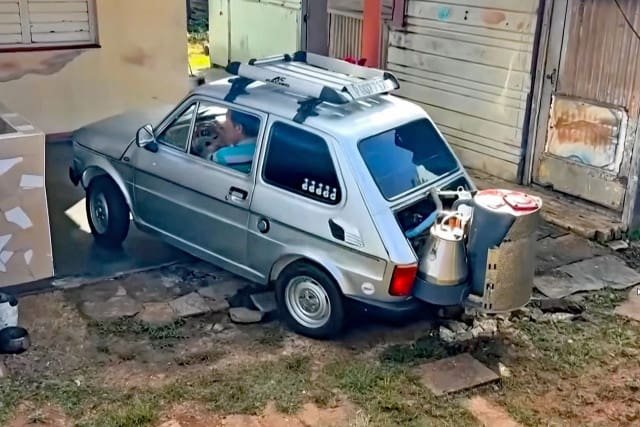
Cuba is facing a severe energy crisis following the halt of oil supplies from the United States and Venezuela in January. Consequently, gasoline is rationed, and power outages are widespread. On the black market, gasoline prices have soared to $8 per liter, six times the official state price.
Reuters reports a Cuban has converted a Fiat 126p to operate on coal.
Mechanic Juan Carlos Pino tackled
EU’s Google Fine Risks Triggering Trump as He Gears Up for More Tariffs
One diplomat mentioned that ambassadors could convene an extra

NATO Defense Support Bolstered as Zelenskiy Announces Raytheon’s Interceptor Production Partnership Intent
Kyiv, July 23 Eurotoday — NATO defence support remains central to Ukraine’s security strategy after President Volodymyr Zelenskiy said U.S. defence company Raytheon is interested in helping produce interceptor missiles in Ukraine. The proposal highlights efforts to strengthen the country’s air defence capabilities while expanding cooperation with Western defence manufacturers.
Raytheon Signals I

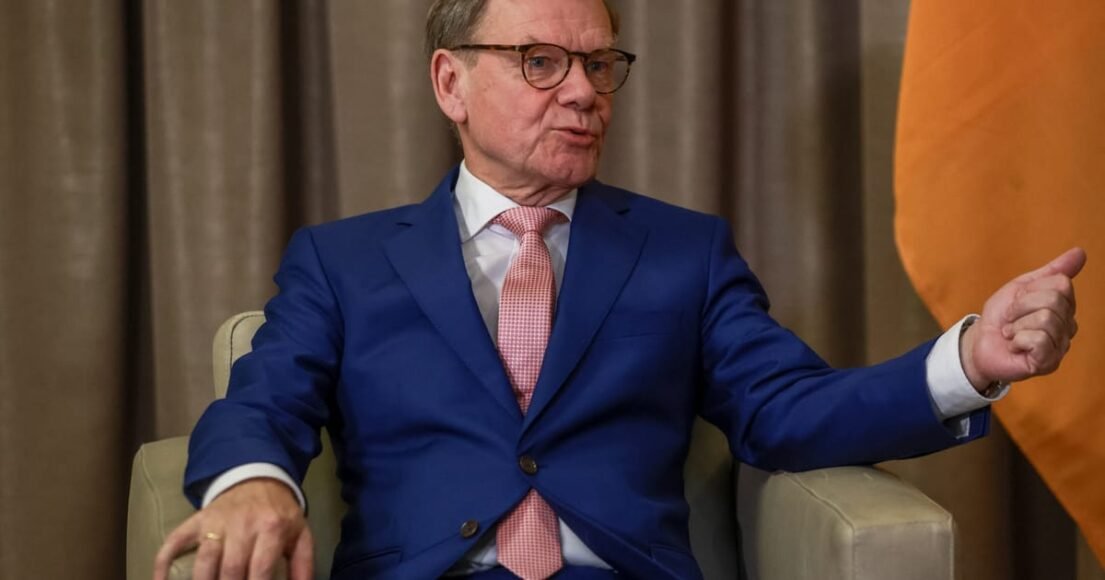
Germany rebukes Trump over South Africa’s G20 ban
During his speech, Wadephul highlighted his desire to build closer ties with South Africa, despite differences on significant geopolitical issues like Russia’s war in Ukraine, the Gaza conflict, and China. As a BRICS member, South Africa historically maintains close rel
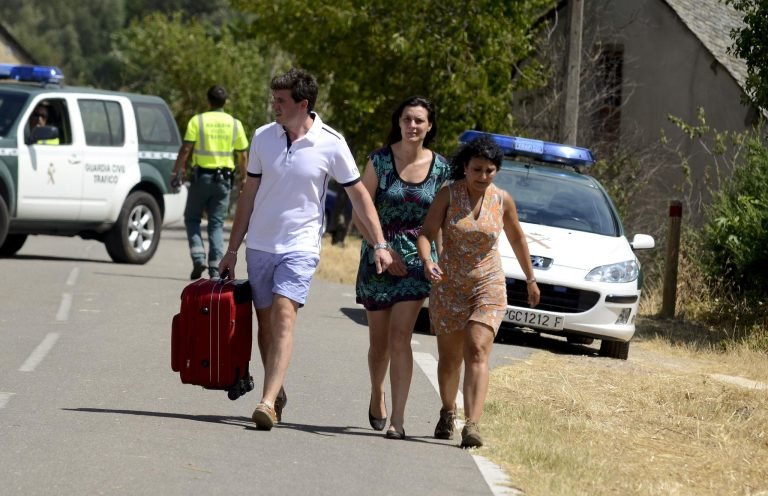
Spanish Wildfire Response Criticized for Exposing Warning Gaps
Madrid, July 22 Eurotoday — Wildfire emergency response has come under renewed scrutiny after a devastating wildfire in Spain revealed weaknesses in emergency warning systems and outdated evacuation plans. Residents in several affected communities reported receiving delayed alerts as flames spread rapidly through dry woodland, leaving many to rely on neighbours and personal judgement rather than
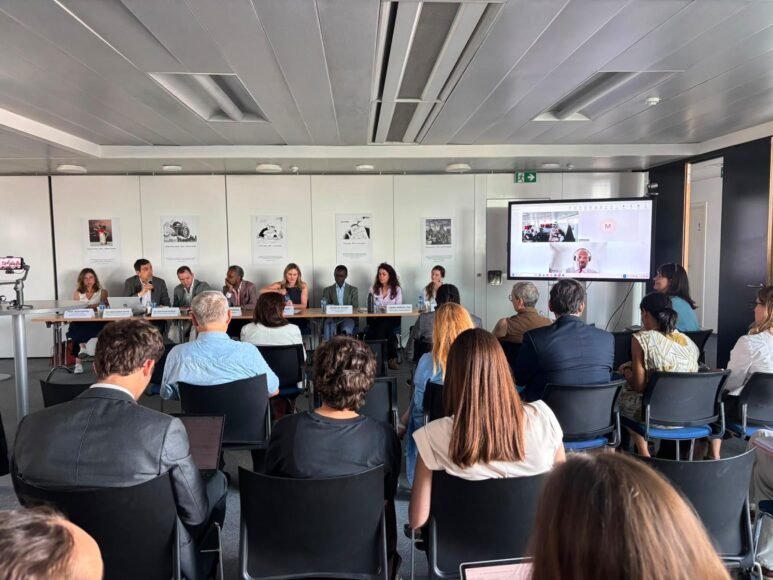
From El Fasher to Brussels: Victims and Experts Urge EU Sanctions on the War’s Business Model

Leave a Reply