



Brussels (Eurotoday) – The European Council introduced new regulations to support safe, clean, and modern shipping in the EU.
To boost clean, safer, and environmentally-friendly shipping in the European Union, the European Council adopted four new pieces of legislation as part of the so-called ‘maritime safety’ legislative package. The package amends relevant directives on the investigation of accidents in the maritime transport sector, ship-source pollution, compliance with flag state requirements, and port state control.
What are the key objectives of the new shipping laws?
According to the European Council, this ‘package’ strikes a careful balance between ensuring a high standard of shipping safety and protecting the competitiveness of the European shipping sector, while also aiming for reasonable costs for operators and member states’ authorities. Overall, it equips the EU with modern tools to ensure clean shipping, by aligning EU regulations with international standards and enhancing implementation and enforcement through a strengthened partnership between European and national authorities.
How does the directive improve fishing vessel safety?
As reported by the EU Council, the revised directive on the investigation of accidents in the maritime sector enhances the safety of fishing vessels, their crews, and the environment. Fishing vessels under 15 metres in length are now included within the scope of the directive, meaning accidents involving fatalities and loss of vessels will be subject to harmonized investigation procedures. It also clarifies the legal provisions and requirements for member states’ accident investigation bodies to analyze all relevant accidents in a timely and coordinated manner.
What penalties are imposed for ship-source pollution violations?
The updated directive on ship-source pollution incorporates international standards into EU law, ensuring that individuals responsible for illicit discharges of polluting substances face effective, proportionate, and dissuasive penalties. These measures aim to improve maritime safety while better protecting the marine environment from ship-related pollution.
How do flag state rules ensure ship compliance with IMO standards?
In addition, the directive on compliance with flag state requirements strengthens the enforcement of rules applied to flag states within the EU. The responsibility for ensuring ships comply with International Maritime Organisation (IMO) conventions lies with the state under whose flag the ship is registered. This directive brings current legislation in line with international laws, primarily focusing on the IMO’s Implementation Code (‘III Code’). The directive ensures thorough inspections of flagged ships and improved monitoring of organizations working on behalf of the flag state.
What role does port state control play in maritime safety?
Finally, the revised directive on port state control updates EU legislation to align it with international protocols and procedures, as outlined in the blank” rel=”noopener”>Paris Memorandum of Understanding (MoU) and IMO conventions. It offers greater protection for fishing vessels, their crews, and the marine environment, including by establishing a voluntary inspection regime for larger fishing vessels (those exceeding 24 metres in length).
Comments
2 responses to “EU Council Approves New Maritime Safety Regulations”
-
Ah, the EU Council has finally decided that perhaps our boats could use a bit of TLC—who knew? It’s almost as if they realized that sinking ships might not be the best form of maritime entertainment. Perhaps next, they’ll tackle the truly pressing issue of whether to serve tea or coffee at the next council meeting.
-
Ah, the EU Council has graced us with a fresh batch of maritime safety regulations, just in time for the next round of “Who Can Sink a Ship Faster?”—because nothing says “smooth sailing” like bureaucratic red tape on the high seas. One can only imagine the thrill of navigating these new rules, as if they were a delightful game of charades, but instead of guessing your mate’s secret, you’re just trying to figure out how not to capsize. Cheers to safer waters—now let’s hope the sailors remember the difference between a life jacket and a fancy hat!

Last News
France and Germany Clash Over Europe’s Industrial Future

EU Climate Risks Require Accelerated Response as Extreme Heat Intensifies
Brussels, Belgium, 25 August (Eurotoday Newspaper) – European governments face growing pressure to act earlier and more proactively against EU climate risks, as extreme heat, drought, wildfires and flooding increasingly threaten public health, infrastructure and economic activity across the continent.
The challenge has become particularly visible during successive hot summers. European authoriti
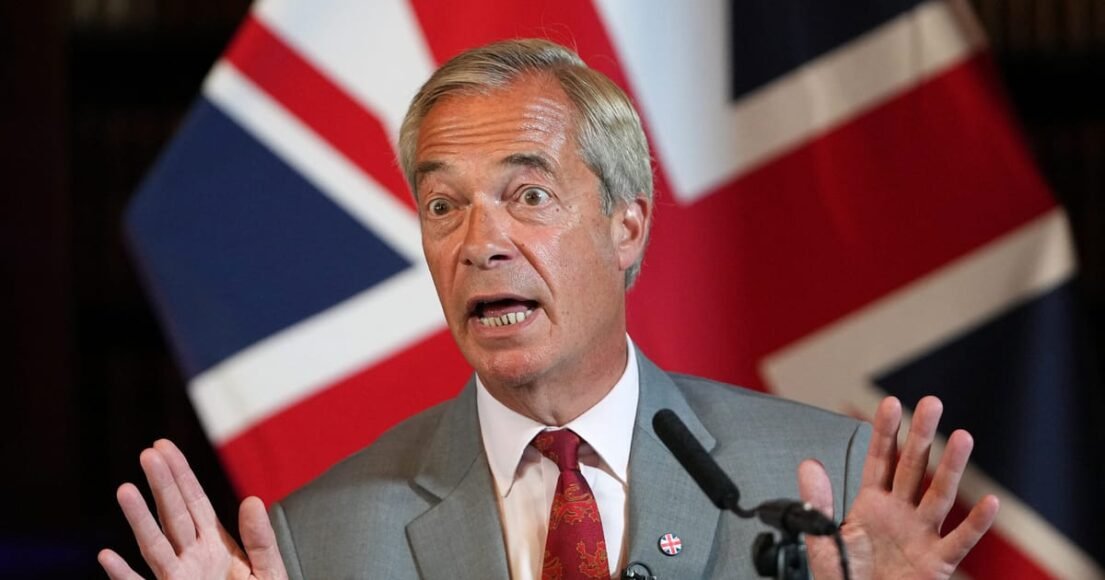
Nigel Farage Advocates for Eliminating GDPR in the UK
The EU GDPR offers broader individual rights concerning personal data, such as the “right to be forgotten,” compared to New Zealand’

France Calls for Swift Action as Heatwave Alert Levels Increase
Paris, France, 25 August (Brussels Morning Newspaper) – French authorities are urging people to act quickly when France heatwave alerts are triggered, as official guidance stresses that health effects can begin during the earliest stages of unusually hot weather.
Météo-France operates a four-level heat vigilance system — green, yellow, orange and red — designed to warn the public and authorities

Britain-Europe Trains Set to Run Every 15 Minutes
Piling in
Despite these obstacles, the London route is con

Colruyt Recalls Courgettes Due to Heptachlor Risk in Belgium
Belgium, 25 August (Eurotoday) – Colruyt has issued a Colruyt courgette recall after its supplier warned of the possible presence of heptachlor in loose courgettes sold through several of the retailer’s chains in Belgium and Luxembourg. Customers who bought the affected vegetables have been told not to eat them and to return them to a store for a refund.
Colruyt removes affected courgettes from
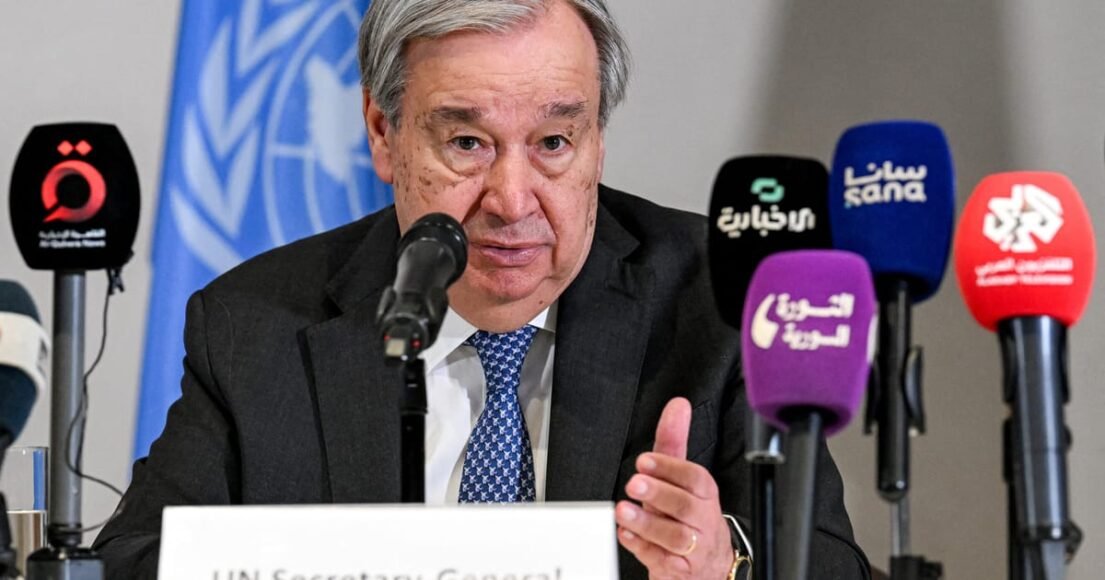
UN Chief Urges Countries to Control Autonomous Weapons
They both advocated for banning autonomous weapons causing unpredictable effects and anti-personnel weapons targeting humans.
The UN plans a conference in Geneva in November

Meulebeke Author Confronts De Wever on Ben-Gvir Comments
Tielt (Eurotoday Newspaper) – Writer Rino Feys from Meulebeke has addressed an open letter to Belgian Prime Minister Bart De Wever over statements made by Israeli National Security Minister Itamar Ben-Gvir.
Feys, who once belonged to the De Zondvloed bookshop in Roeselare, wrote to De Wever in reaction to the language used by the Israeli minister that was described by him as aggressive and extre
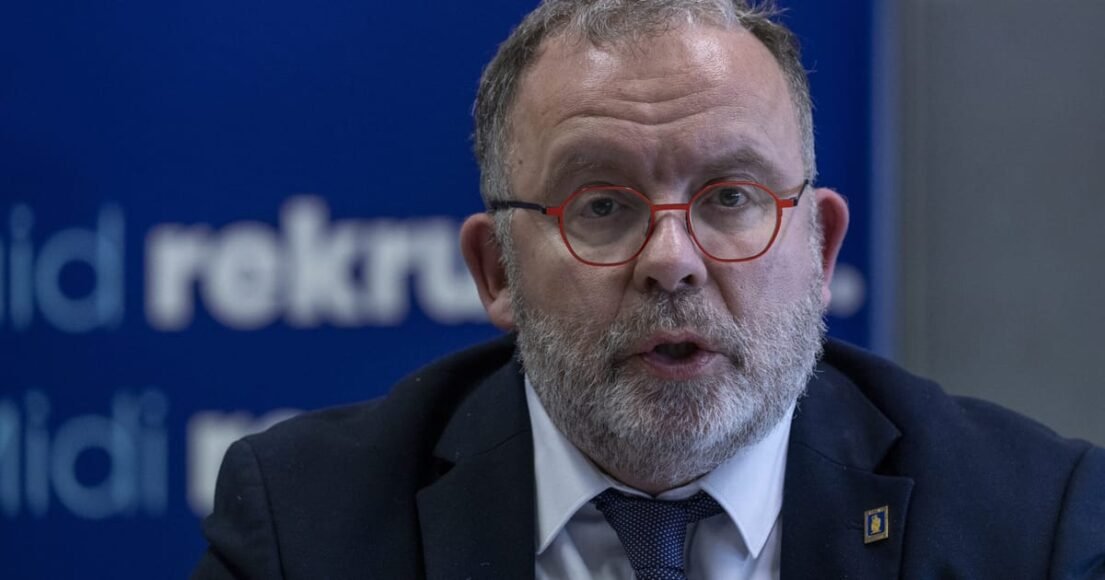
Gun Violence Shakes Brussels as Mayor Points Out ‘Bullet Holes in the Ground’
Saint-Gilles has been struggling with drug-related violence for years, especially around the train sta

Mika Godts Impresses in PSG Debut Against Rennes
Rennes, 24 August (Eurotoday) – Mika Godts made an encouraging first appearance for Paris Saint-Germain as the Belgian winger helped Luis Enrique’s side recover from two goals down to draw 2-2 with Rennes in their Ligue 1 opener. The Mika Godts PSG debut offered an early glimpse of the qualities that persuaded the French champions to invest in the 21-year-old this summer.
Godts enters as PSG fig
Leave a Reply