



Did Obama successfully pass the Iran nuclear deal or was achieving it more complex than its implementation lets us believe? This article explores the complexities surrounding the Joint Comprehensive Plan of Action (JCPOA), widely known as the Iran Deal, examining the political, legislative, and diplomatic maneuvers that shaped its trajectory. By what strategies did Obama manage to overcome congressional resistance, global mistrust, and other international tensions to achieve this historic deal?
Was the decision to adopt the deal made as an executive decision, or was it attributed to a consensus of the executive? Answering these questions enables a critical assessment of Obama’s role in one of the most contentious foreign policies of his administration.
What Is the Iran Deal?
Imagine a neighborhood where one house keeps stockpiling fireworks. Now, fireworks are fun until someone blows up the block. The Iran Deal was meant to stop Iran from building a nuclear bomb (their version of those fireworks).
Signed in 2015, the deal brought together the U.S., Iran, and other world powers (think a group project, but with nukes). Obama didn’t do it solo; it was a team effort. But he was the captain.
Did Obama Pass the Nuclear Deal?
Yes, but not in the “I signed it; it is all me” kind of way. The deal was signed during the Obama administration with the assistance of his Secretary of State blank” rel=”noopener”>John Kerry and other officials. It never came to a direct vote in Congress because it was not a treaty; it was an executive agreement. This gave Obama the green light to seal the deal.
So, while Obama did not technically pass it, he was the face of it. Think of him as the coach who guided the team to victory.
Why Was the Iran Deal Such a Big Deal?
Here’s the gist:
· Iran agreed to reduce uranium production (a crucial process in the production of nukes).
· They cut the number of nuclear reactors they operate by half, reduced the number of centrifuge cascades by 70%, and limited uranium enrichment levels to 3.67% (far below the weapon-grade 90% level).
· Compliance with the rules was ensured through IAEA inspections, which verified Iran reduced enriched uranium by 98% and maintained enrichment levels at 3.67%.
· Inspections by the International Atomic Energy Agency (IAEA) were baked in to ensure they adhered to the rules.
In return, the U.S. and others lifted economic sanctions on Iran. This allowed Iran access to frozen assets and global markets—kind of like lifting a shopping ban on a shopaholic.
The Big Question: Did It Work?
For a while, yes.
· 2016 to 2018: Iran followed the agreement, and analysts observed a decrease in nuclear activities.
· Sanctions relief boosted Iran’s economy (GDP grew by 13.4% in 2016).
But the story didn’t have a happy ending. In 2018, Trump withdrew the United States from the deal, describing it as the worst deal ever. Iran eventually resumed higher uranium enrichment, reigniting global concerns.
Comments
Last News
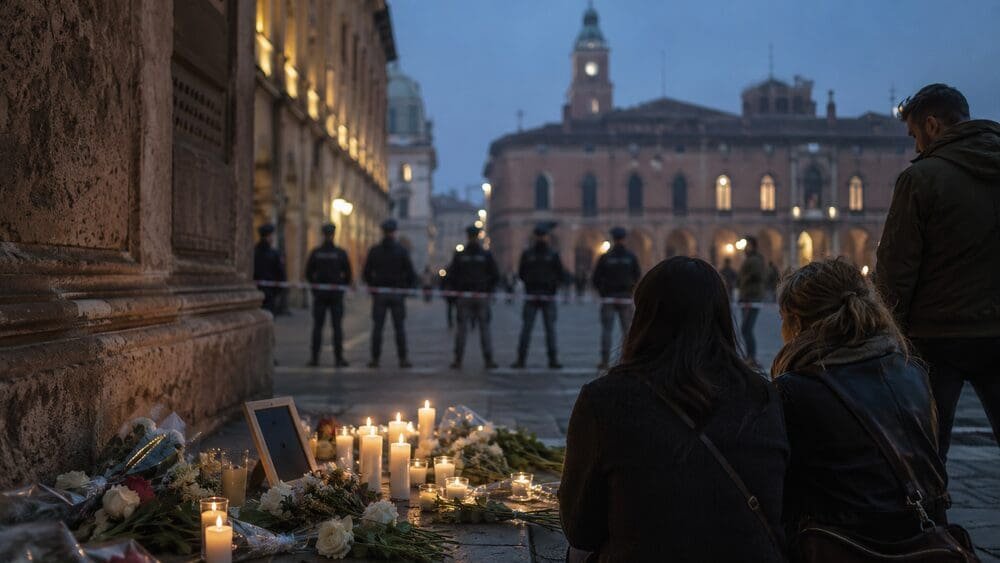
Bologna Seeks Answers After Fakir’s Death
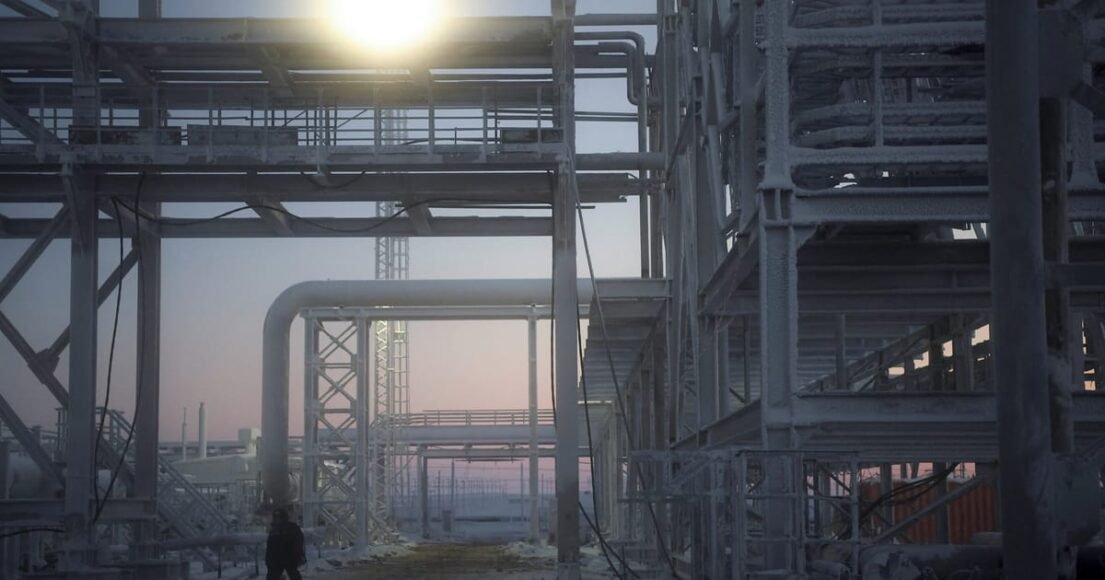
Greece Disrupts EU’s Russia Sanctions Strategy
Ireland, currently holding the rotating Presidency of the Council of the EU, proposed on Wednesday that European gas tankers be allowed to export Russian liquefied natural gas (LNG) to third countries until January 2029. The proposal, which was reviewed by POLITI
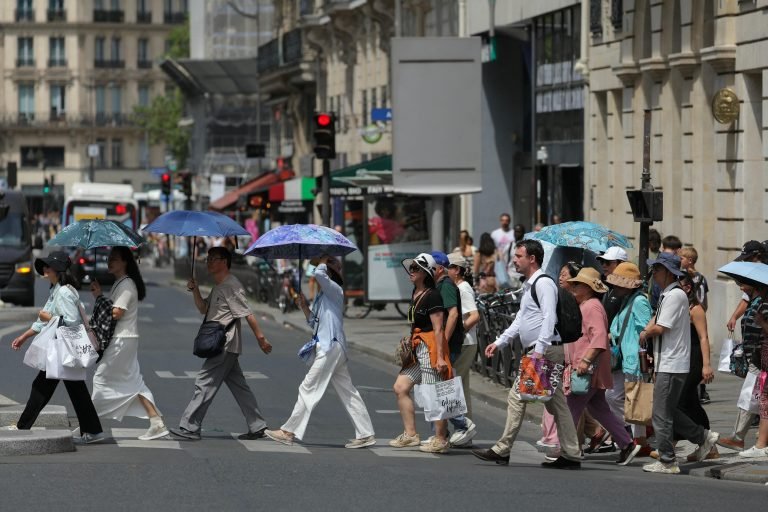
France Records 5,764 Excess Deaths During June-July Heatwaves
Paris, July 22 Eurotoday Newspaper — France excess deaths reached 5,764 during the June and July heatwaves, according to a report released by Santé publique France. The health agency said prolonged periods of extreme heat led to thousands of additional deaths above normal seasonal levels, underlining the continued public health risks posed by increasingly intense summer temperatures.
Heatwave
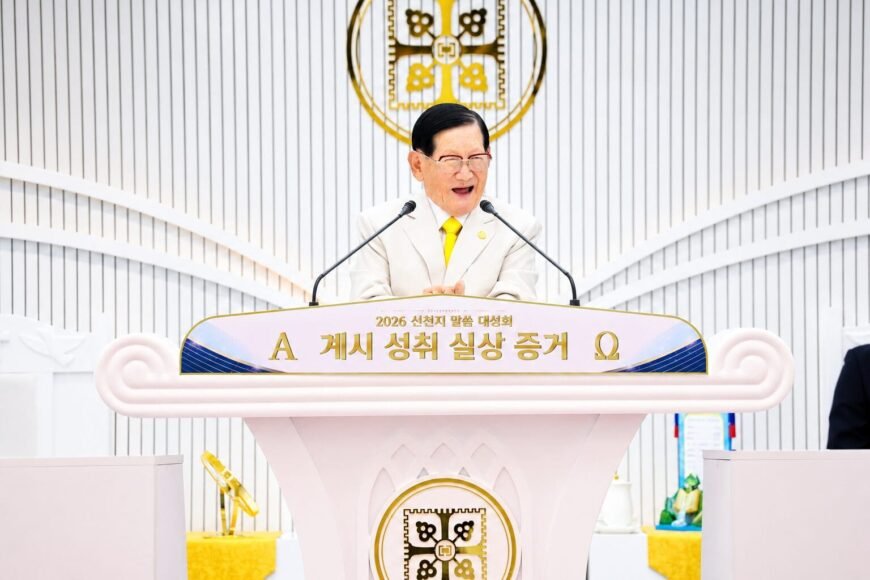
A Plea for the Release of 95-Year-Old Chairman Lee from Pretrial Detention in South Korea
For a month, Chairman Lee (Lee Man Hee, born in 1931), the founder and spiritual head of the Shincheonji Church, has been in pretrial detention since his arrest on June 24, 2026, making him possibly the oldest prisoner in the world, despite not being found guilty of any crime.
This

Offener Widerstand gegen Alice Weidel
Z
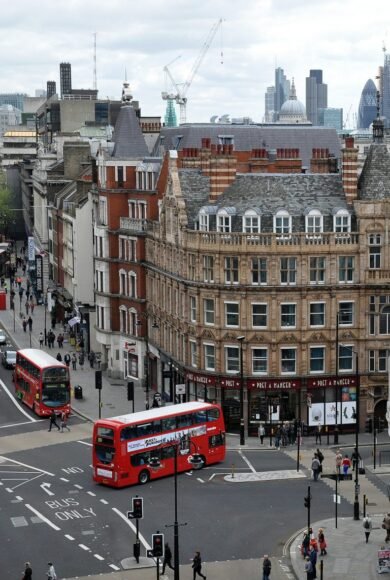
Britain’s Leadership Crisis: A Symptom, Not the Disease
The question of whether Andy Burnham would make a better prime minister than Keir Starmer misses the point entirely. Britain’s political crisis runs far deeper than personalities, campaign skills or messaging strate
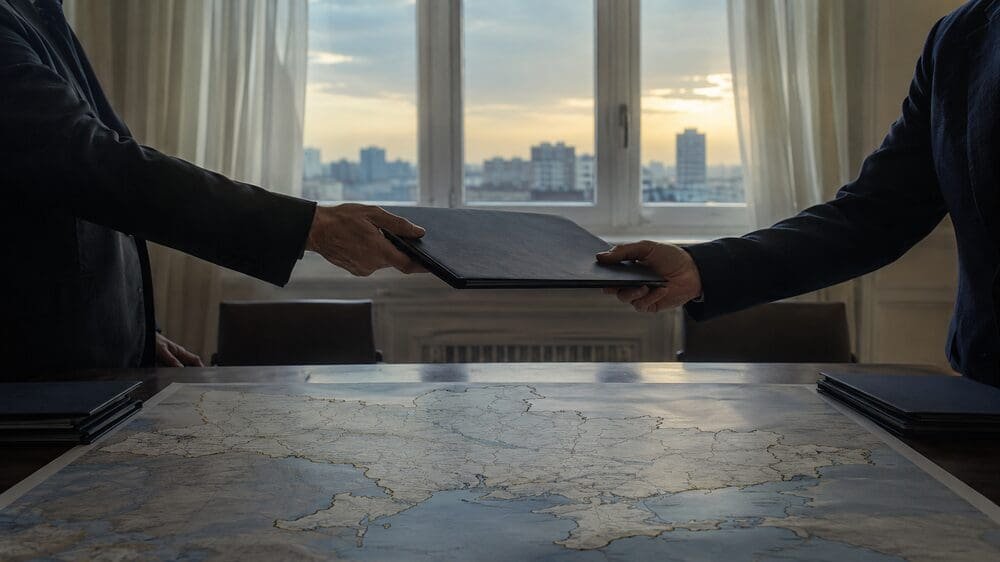
Zelenskyy Appoints New Head of Ukraine’s Army

Is Everyone Aboard the Burnham Bus?
They analyze the funding mechanism for the bus fare plan. Chancellor John Healey claims it won’t burden British taxpayers, but details raise funding concerns.
At the Farnborough Air Show, there’s a chance to discuss defe
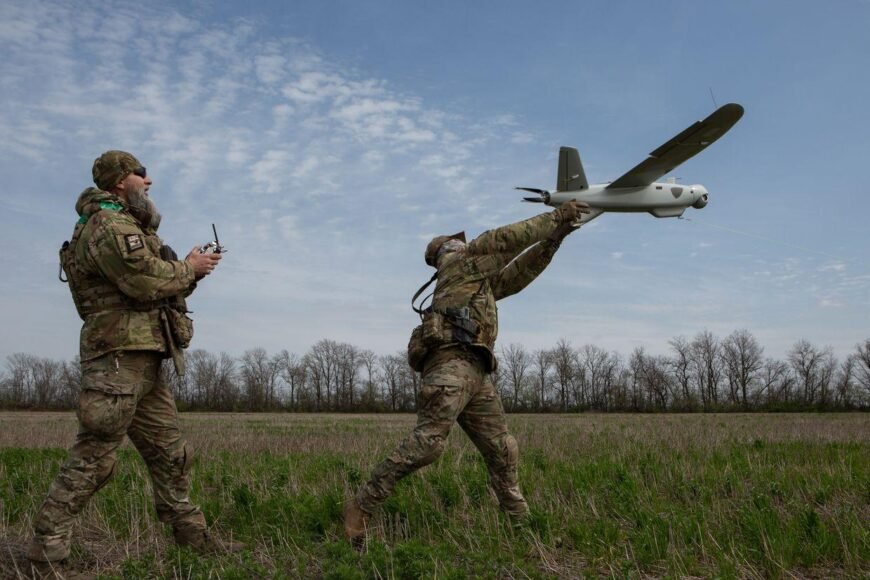
EU Pledge to Ukraine: "Our Support is Unwavering"
Modern wars are won “not only by military strength but by drones and cutting-edge technologies.”
So says Andrius Kubilius, Commissioner for Defence and Space who was speaking after the European Commission and Ukraine signed a major new defence industrial partnership.
The EU says the move marks a “major step forward” in the integration of the European and Ukrainian defence industries.
The Commiss
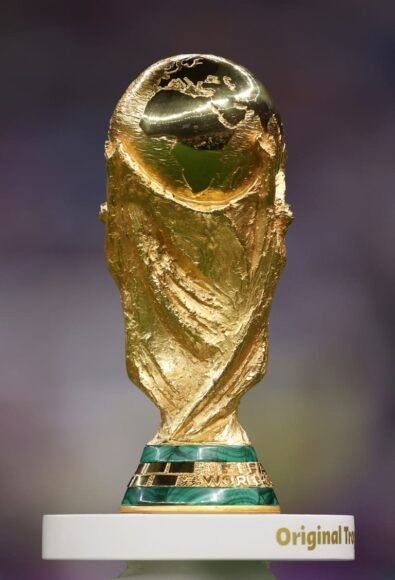
Value of the 2026 World Cup Trophy
Officially, the World Cup trophy is crafted from pure gold. It stands 36.5 cm tall and weighs 6
Leave a Reply