



Under-Secretary-General for Political Affairs Rosemary DiCarlo informed ambassadors that the beginning of 2026 had led to “no peace or even respite to Ukraine, but renewed fighting and devastation.” She highlighted that as temperatures drop significantly, the Russian Federation has ramped up systematic attacks on Ukraine’s energy infrastructure, resulting in numerous civilian casualties and leaving millions without electricity, heating, and water for extended periods. The most affected are older people, children, and those with limited mobility.
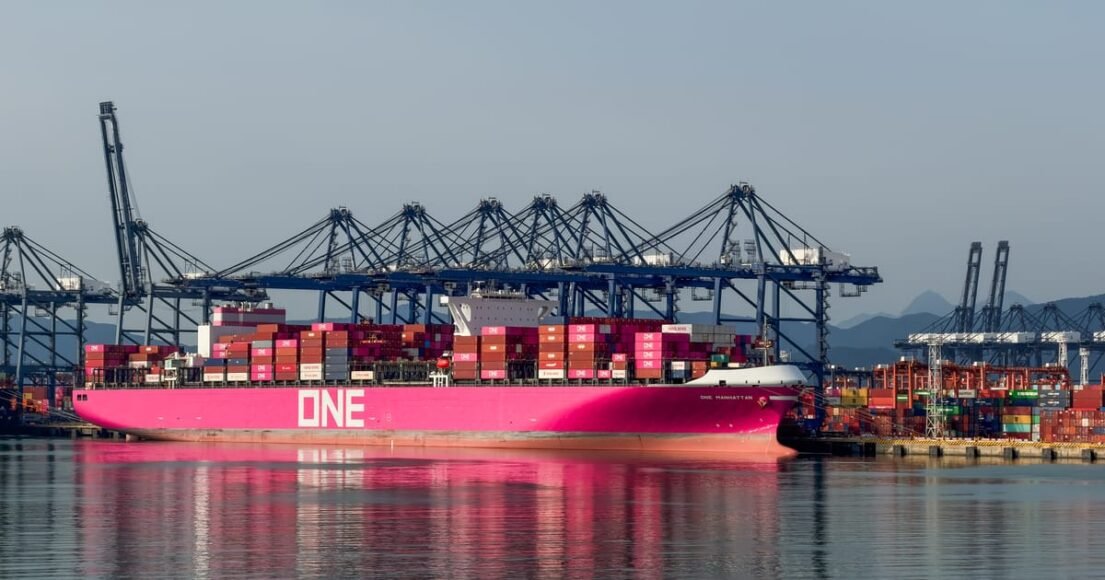
Drone and missile attacks were significant. Ms. DiCarlo noted a major overnight assault between 8 and 9 January, during which Russia reportedly launched 242 drones and 36 missiles. In Kyiv, four people were reportedly killed and 25 injured, including a paramedic who died in a “double-tap” attack. Nearly half of the city was left without heating, affecting hundreds of thousands of residents. Damage also occurred in the western Lviv region, where an intermediate-range ballistic missile known as “Oreshnik” was reportedly used, raising international concerns due to its nuclear potential. Ports and shipping were also targeted, with two foreign-flagged civilian vessels hit by Russian drones in the Odesa region on 8 January. Two fatalities and eight injuries were reported in subsequent port attacks, leading to further damage to storage facilities and containers. Odesa was struck again on Sunday, an escalation that Ms. DiCarlo characterized as a “concerning” attack on Ukraine’s port infrastructure and commercial shipping.
The humanitarian consequences were outlined by Ramesh Rajasingham, Director of the Humanitarian Sector at the UN Office for the Coordination of Humanitarian Affairs (OCHA). He stated that large-scale strikes were pushing “the very means of winter survival to the brink,” as temperatures fell to nearly minus 10 degrees Celsius. “What makes these attacks especially devastating is that they cripple the systems that keep civilians alive during winter,” he said. In Kryvyi Rih, families resort to melting snow for washing and heating water over candles during prolonged power outages. Kyiv has more than 1,200 heated safe spaces and 68 extra heating points established by emergency services and humanitarian partners.
Displacement continues as civilians flee frontline areas under dangerous conditions, particularly from Donetsk, arriving in safer areas needing shelter, medical care, and winter aid. Humanitarian access remains restricted. UN estimates indicate that 10.8 million people in Ukraine require humanitarian assistance. On Tuesday, the UN and partners plan to launch a $2.31 billion humanitarian appeal for 2026 to support 4.12 million people with the most critical needs. Both officials emphasized that attacks on civilians and civilian infrastructure violate international humanitarian law and are “unacceptable, unjustifiable, and must stop immediately,” according to Ms. DiCarlo. Mr. Rajasingham added, “Civilians enduring these attacks need more than statements of concern from this council. They need concrete action to reduce civilian harm and ensure that humanitarian support continues to reach people when they need it most.”







Leave a Reply