




The debate over the potential adoption of a new Additional Protocol to the Oviedo Convention is shaped by a confidential study. This study on the UN CRPD and its compatibility with the Additional Protocol is a legal opinion developed in secrecy, not shared with the relevant UN bodies or stakeholders. It fails to objectively consider the UN CRPD, the guidance from the convention’s international monitoring body, and its widespread UN support. The study suggests that the UN CRPD can be overlooked in favor of pre-CRPD conventions by the Council of Europe, using outdated views on security and liberty of persons.
The Ministers’ Deputies Rapporteur Group (GR-H) had its initial meeting in the final review phase of the Additional Protocol on May 27, 2026. The GR-H is organizing human rights discussions for the Council of Europe’s decision-making body, the Ministers’ Deputies. Before this, a compatibility study was commissioned by the Secretariat, conducted by Prof. Andreas Zimmermann from Potsdam University. This study stemmed from a unanimous PACE Opinion rejecting the draft Additional Protocol.
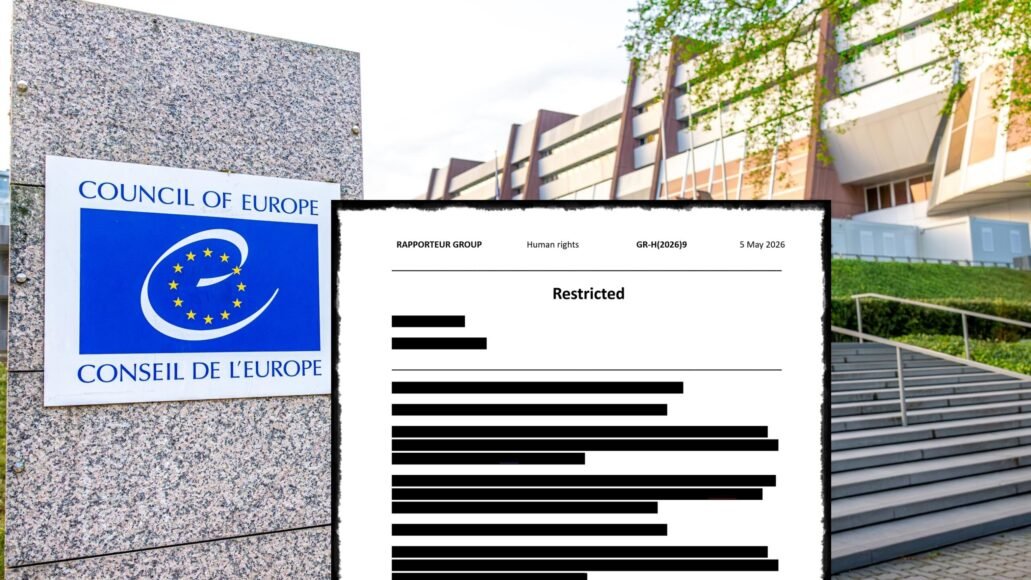
Study/legal opinion classified
Prof. Zimmermann’s study, classified as GR-H(2026)9 “restricted,” serves more as a positioning document for ongoing negotiations than a thorough compatibility assessment.
While the UN CRPD, its General Comments, and numerous supporting documents emphasize a unified understanding of human rights in disability and mental health, the Council of Europe’s study does not reflect this publicly available UN perspective.
Prof. Zimmermann’s confidential legal opinion concludes that the draft Additional Protocol is not precluded by the UN CRPD.
The study’s omission of key UN documents and disregard for the paradigm shift initiated by the UN CRPD undermine two decades of UN and civil society advocacy for 100 million people.
Study conducted in secrecy
Prof. Zimmermann did not consult the UN CRPD Committee, the convention’s interpretative body. The study remains secret from the UN bodies and civil society, which have called for the Protocol’s withdrawal.
Professors at Potsdam University, specializing in bioethics, were unaware of the study, which Prof. Zimmermann deemed “independent.”
Prof. Zimmermann declined further comment, citing ongoing protocol negotiations at the GR-H.
Surprisingly, the study lacks a comprehensive analysis of relevant texts, neglecting the UN CRPD Committee’s direct statements against the Additional Protocol.
UN CRPD Committee statement of January 2026
In a January 15, 2026 statement, the UN CRPD Committee condemned the draft Additional Protocol for violating the human rights of persons with disabilities, contradicting multiple CRPD articles.
The Committee detailed that, despite referencing the Convention, the Protocol’s provisions conflict with established human rights standards for persons with disabilities.
Paradigm shift on mental health undermined
The paradigm shift on disability and mental health heralded by the CRPD is undermined by Prof. Zimmermann’s opinion. WHO’s Comprehensive Mental Health Action Plan and joint WHO-OHCHR guidance call for ending coercion and promoting community-based mental health services.
International bodies reaffirm the move away from coercion, including the UN General Assembly’s 2023 Resolution A/RES/77/300 and the Human Rights Council’s 2026 Resolution 61/18.
Council of Europe warned for a decade
For over a decade, the UN CRPD Committee has advised the Council of Europe on the Additional Protocol, emphasizing the prohibition of invol










Leave a Reply