


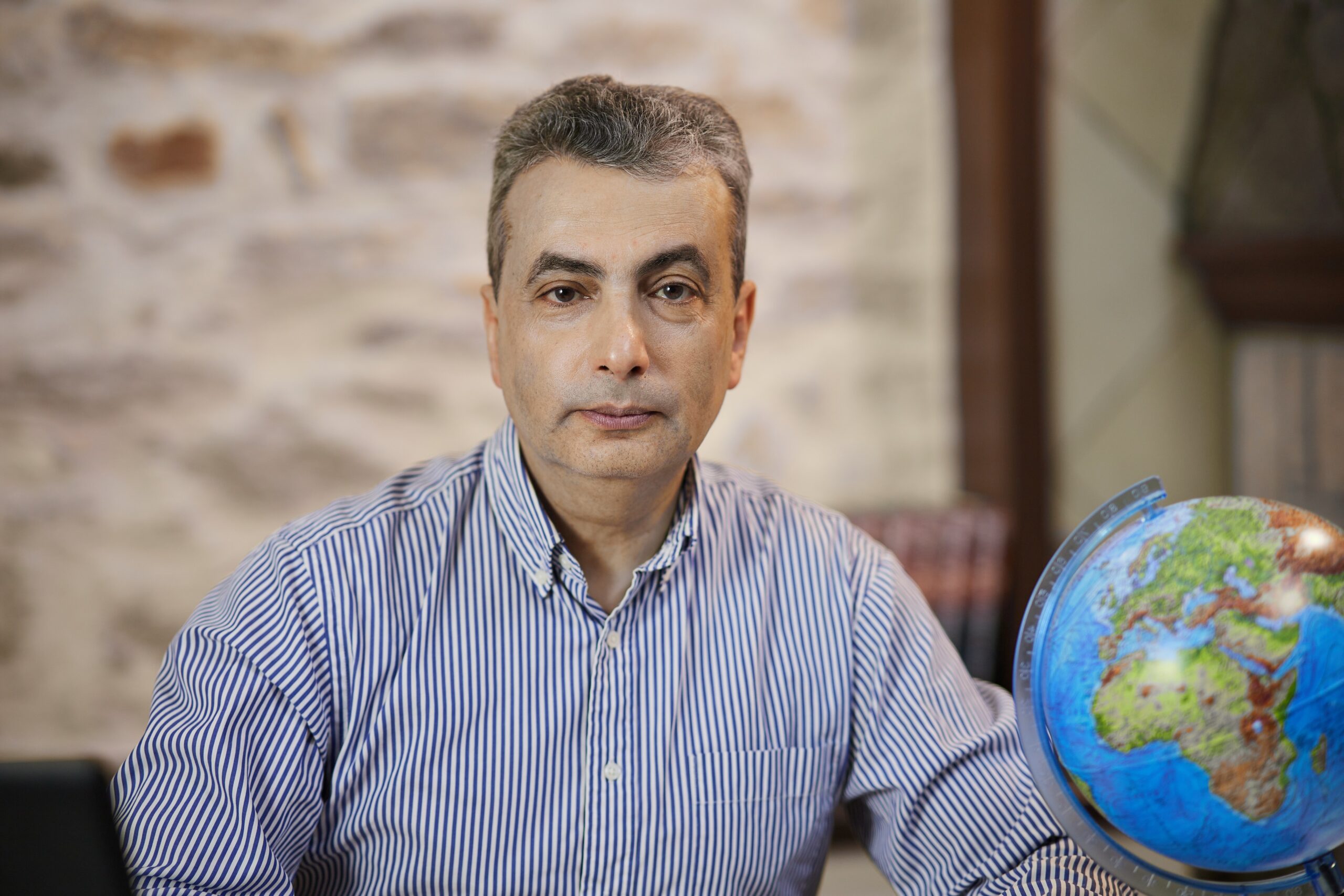
A Russian court has sentenced opposition figure Lev Shlosberg to over 11 years in prison, while the Supreme Court confirmed the exclusion of his Yabloko party from upcoming parliamentary elections. These decisions diminish the space for peaceful opposition to the Ukraine war and eliminate the only registered party advocating for a ceasefire.
Shlosberg, 63, received an 11-year and one-month penal colony sentence for allegedly “discrediting” the Russian military and spreading false military information. His charges related to his vocal opposition to the Ukraine invasion, including a debate urging an end to the war and a social media post blaming President Vladimir Putin for Ukrainian civilian suffering.
As Yabloko’s deputy chairman and former Pskov regional legislator, Shlosberg denied the accusations. His defense argued the charges did not constitute a legitimate crime, disputing the proceedings’ timeline, evidence, and fairness. One publication in question was released before the relevant criminal provision existed. During the trial, objections were raised about witnesses, expert evidence, and procedural fairness, according to Yabloko.
In custody since December 2025, Shlosberg’s final statement lamented Russia’s decline in civil and political rights. Yabloko plans to appeal the sentence.
The same day, the Supreme Court rejected Yabloko’s appeal against its removal from the State Duma election on September 18-20. The case was initiated by the pro-Kremlin party Rodina, citing campaign spending violations and copyright issues. Yabloko refuted the claims and highlighted unequal treatment compared to other parties. The ruling means Yabloko’s name and candidates are excluded from ballots. Yabloko intends to seek further legal review.
The two separate legal cases—a criminal accusation against Shlosberg and electoral rules affecting Yabloko—together diminish a senior anti-war voice and the reach of its platform.
Russia’s legal restrictions on military reporting and statements started post-February 2022 invasion, allowing for harsh penalties. Officials claim these laws protect against misinformation, while human rights groups argue they criminalize peaceful dissent and reporting.
This concern extends beyond Shlosberg’s case. UN human rights experts previously criticized the “discrediting” laws as suppressing critical war expression and further shrinking Russia’s civic space. Amnesty International called for Shlosberg’s release, conviction cancellation, and repeal of laws against peaceful anti-war speech.
Yabloko, not a recent dominant force, remains significant as the only registered party advocating an end to the invasion, making its exclusion a loss of a unique policy from the ballot. Supporters gathered outside the Supreme Court during the appeal, with some detained. Yabloko’s chairman Nikolai Rybakov pledged to continue legal and peace efforts.
The rulings precede an election amid pressures on independent media and opposition. Many Kremlin critics face imprisonment, exile, or candidacy bans. As international attention grows, the focus is on whether Russians can lawfully support an anti-war alternative. Shlosberg’s imprisonment and Yabloko’s exclusion signify a wider message to candidates, activists, and voters, impacting permissible political debate.





Leave a Reply